Location Name Generator — Places for Fiction and Worldbuilding
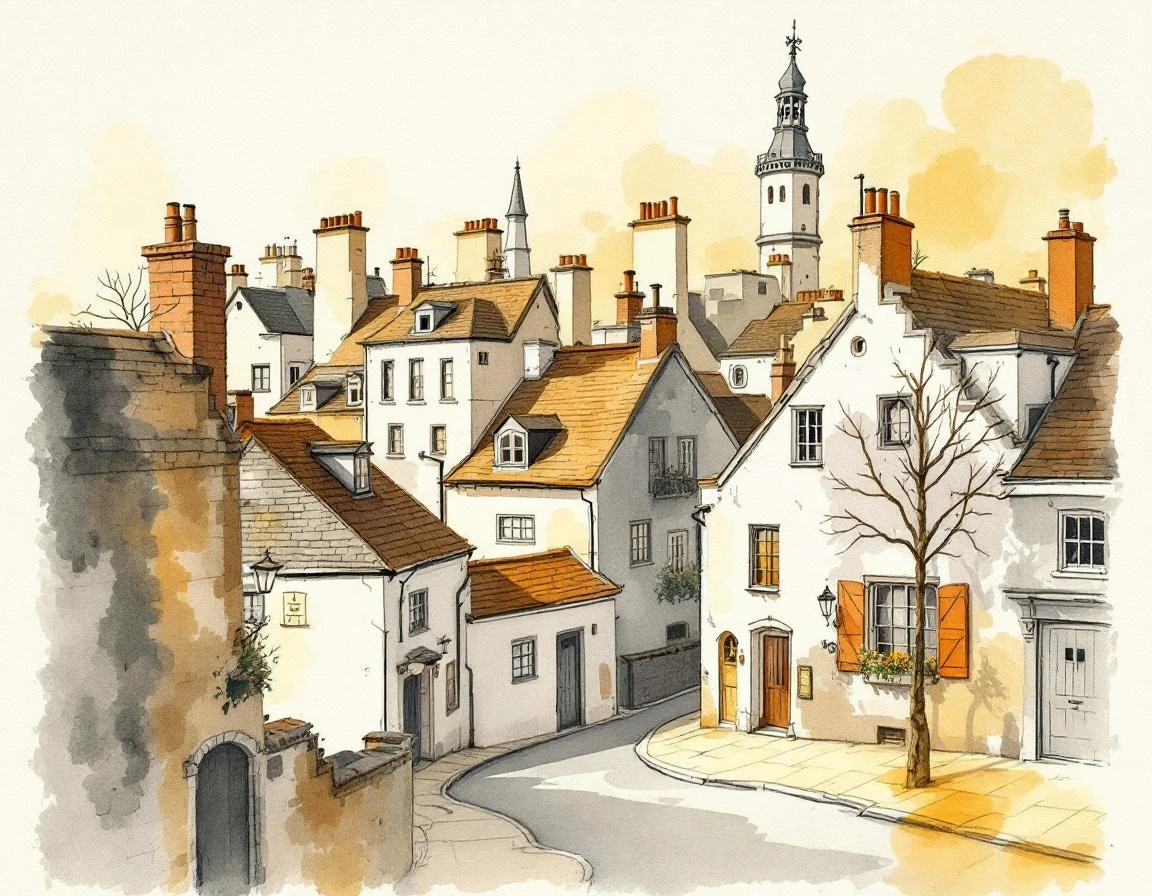
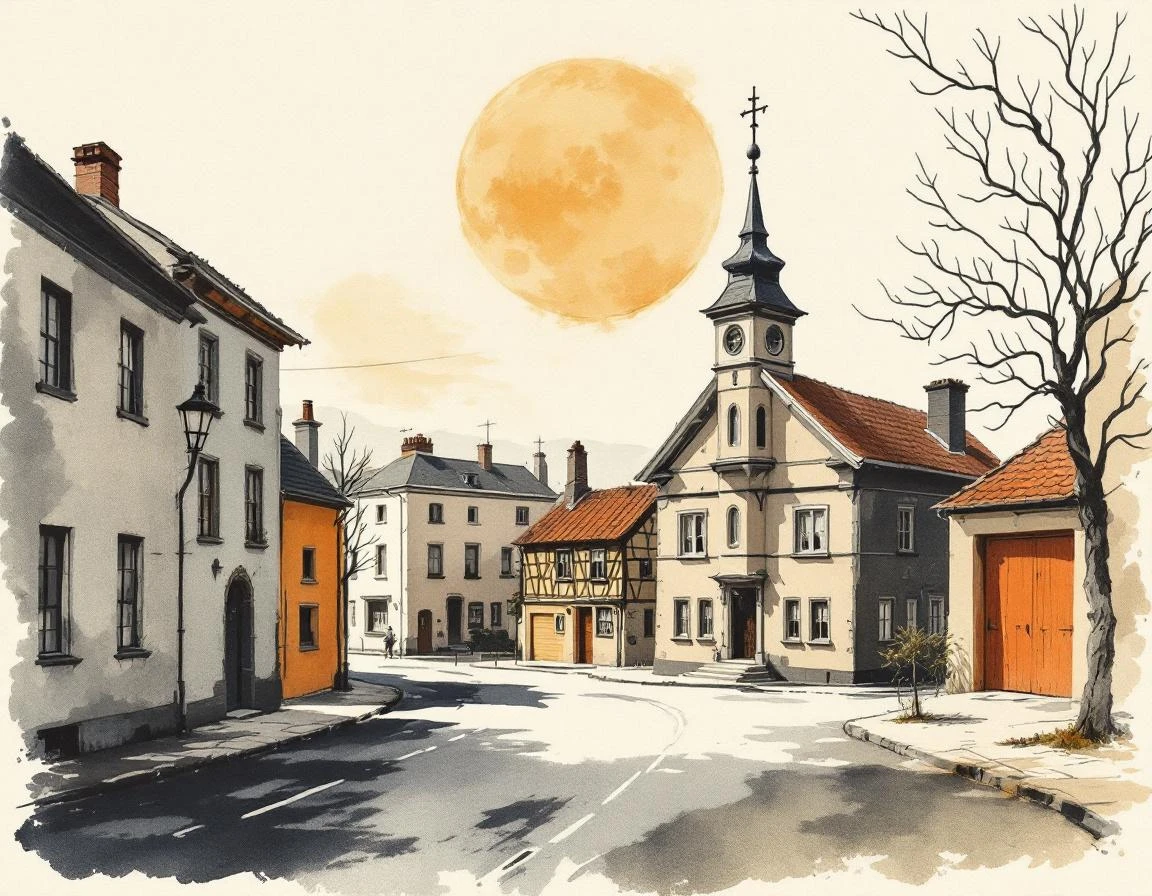
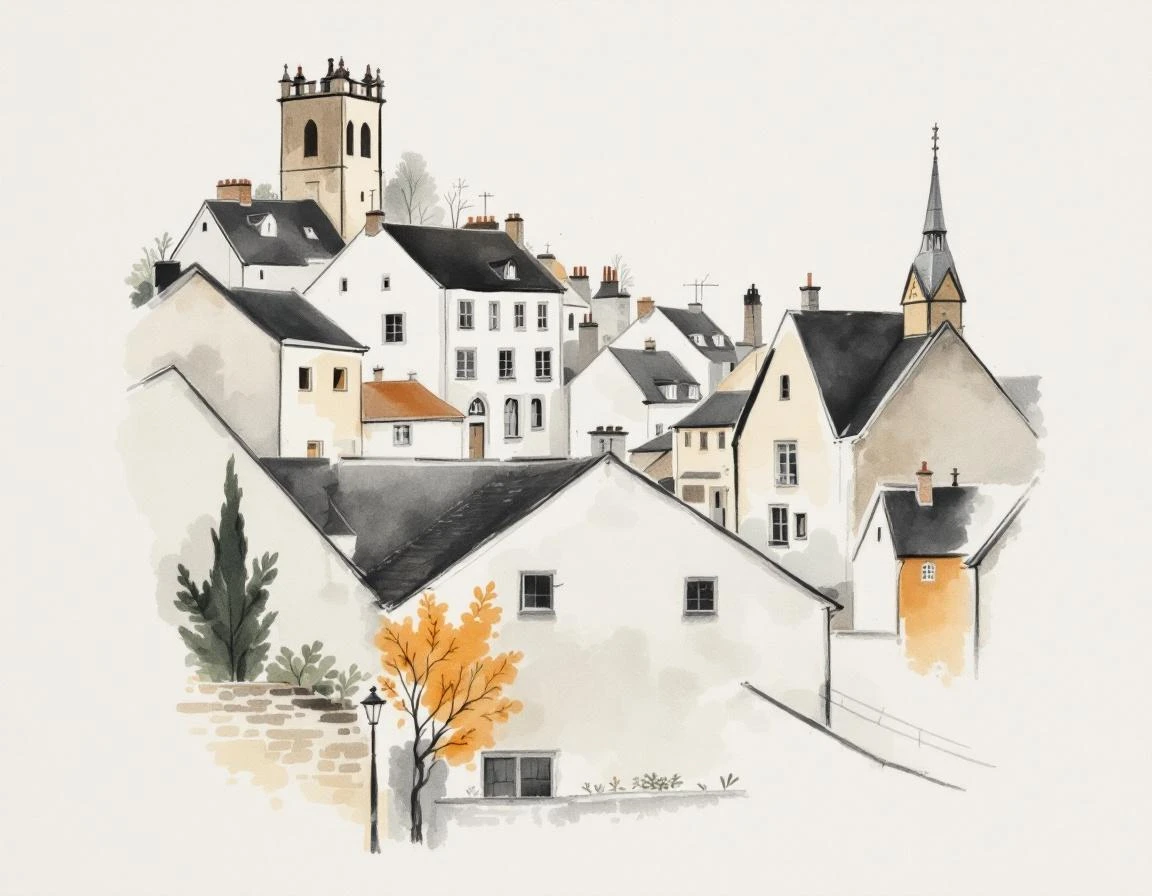
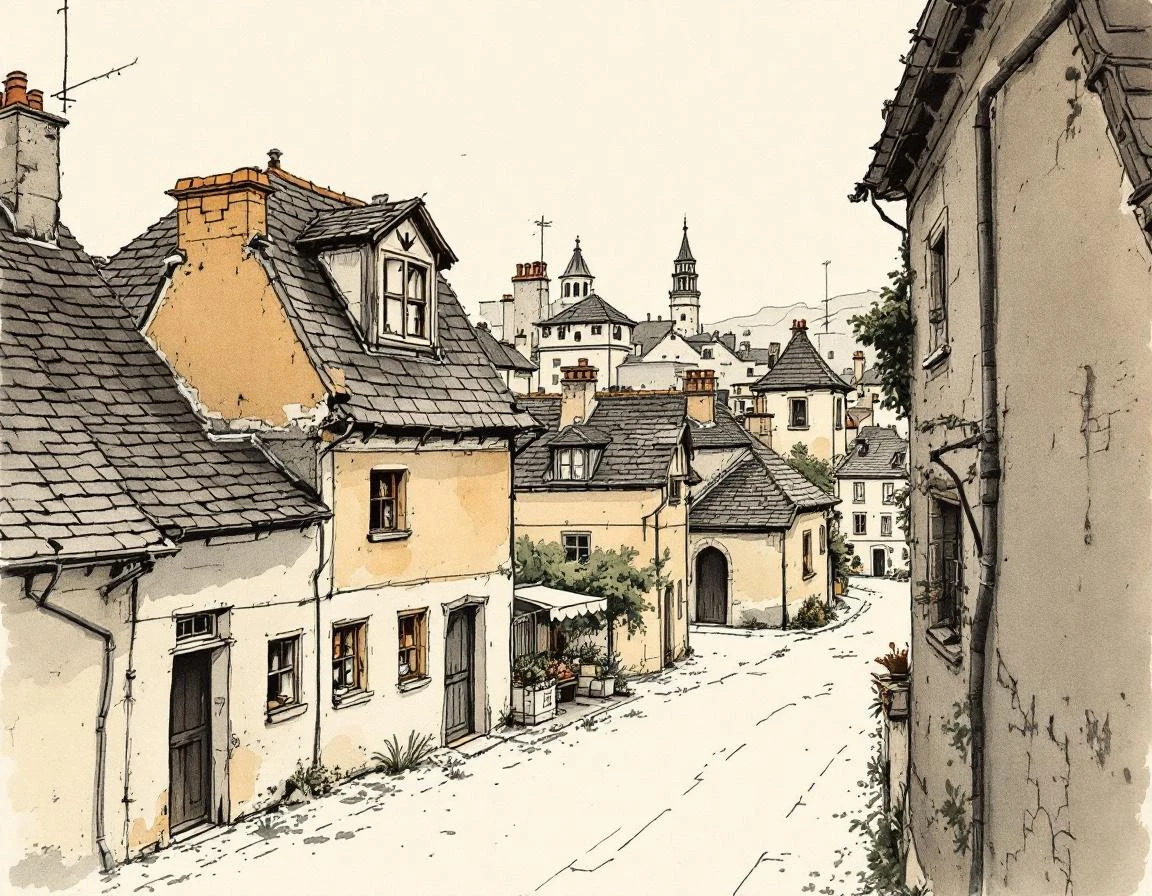
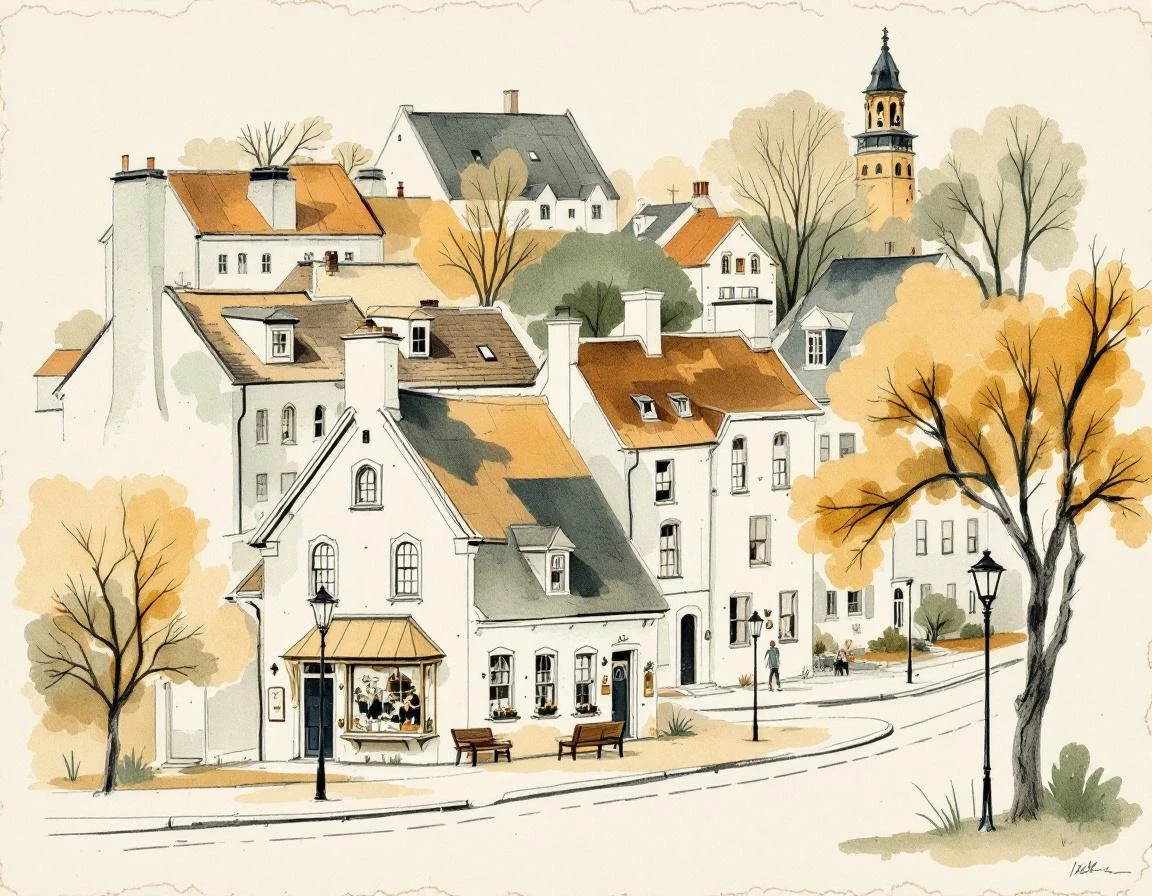
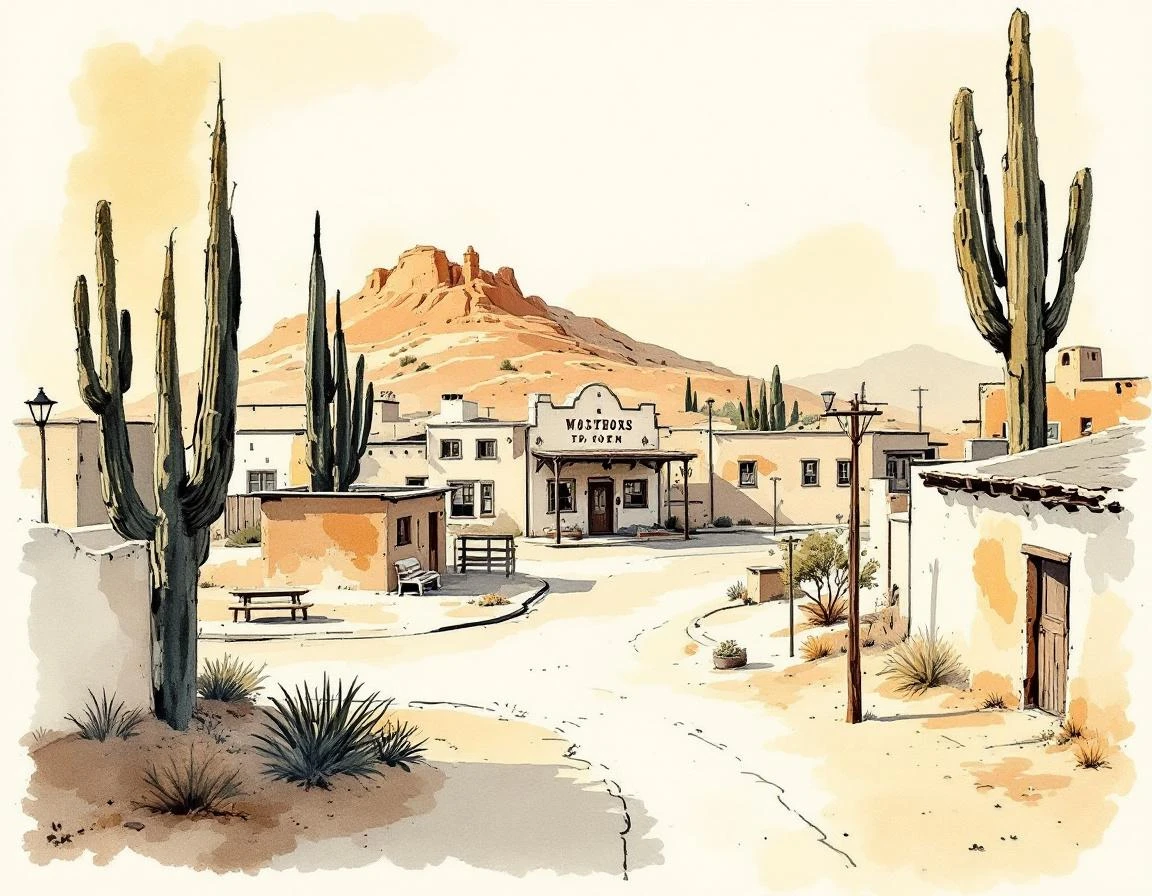
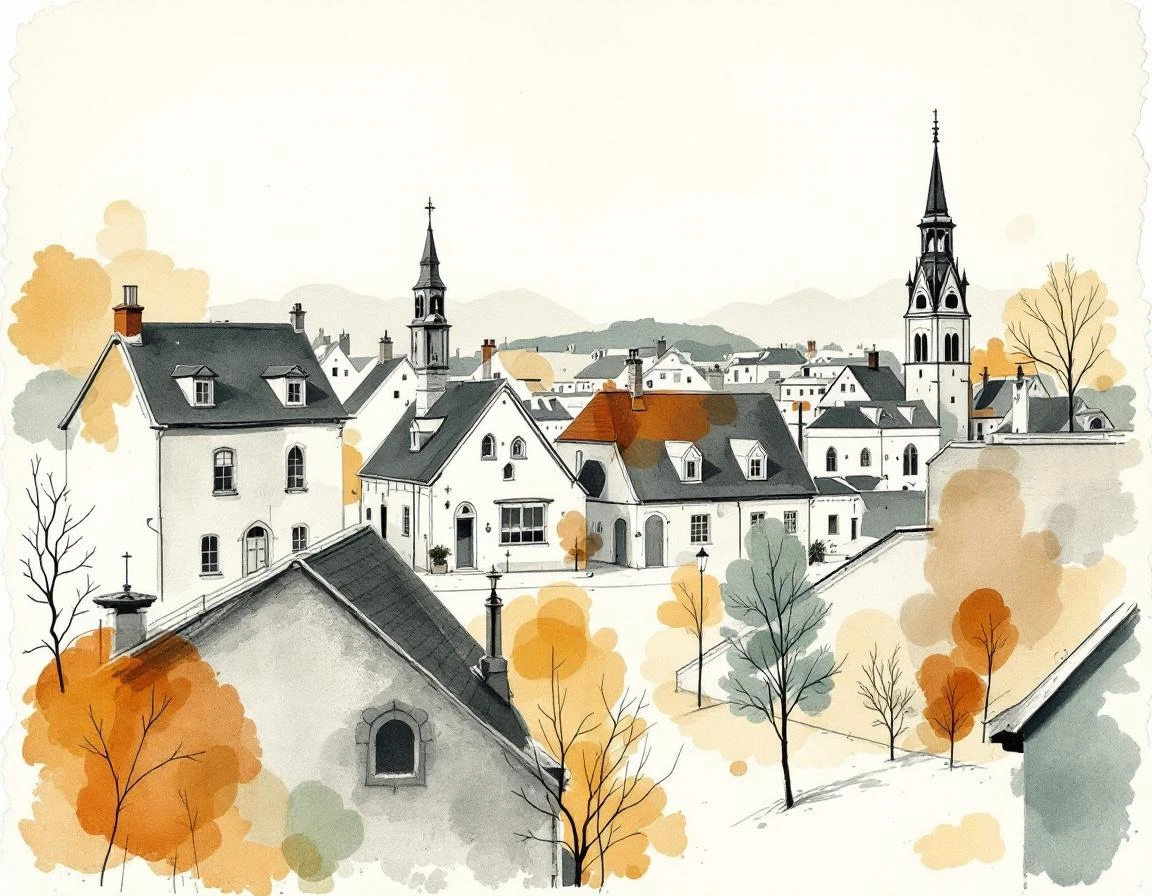
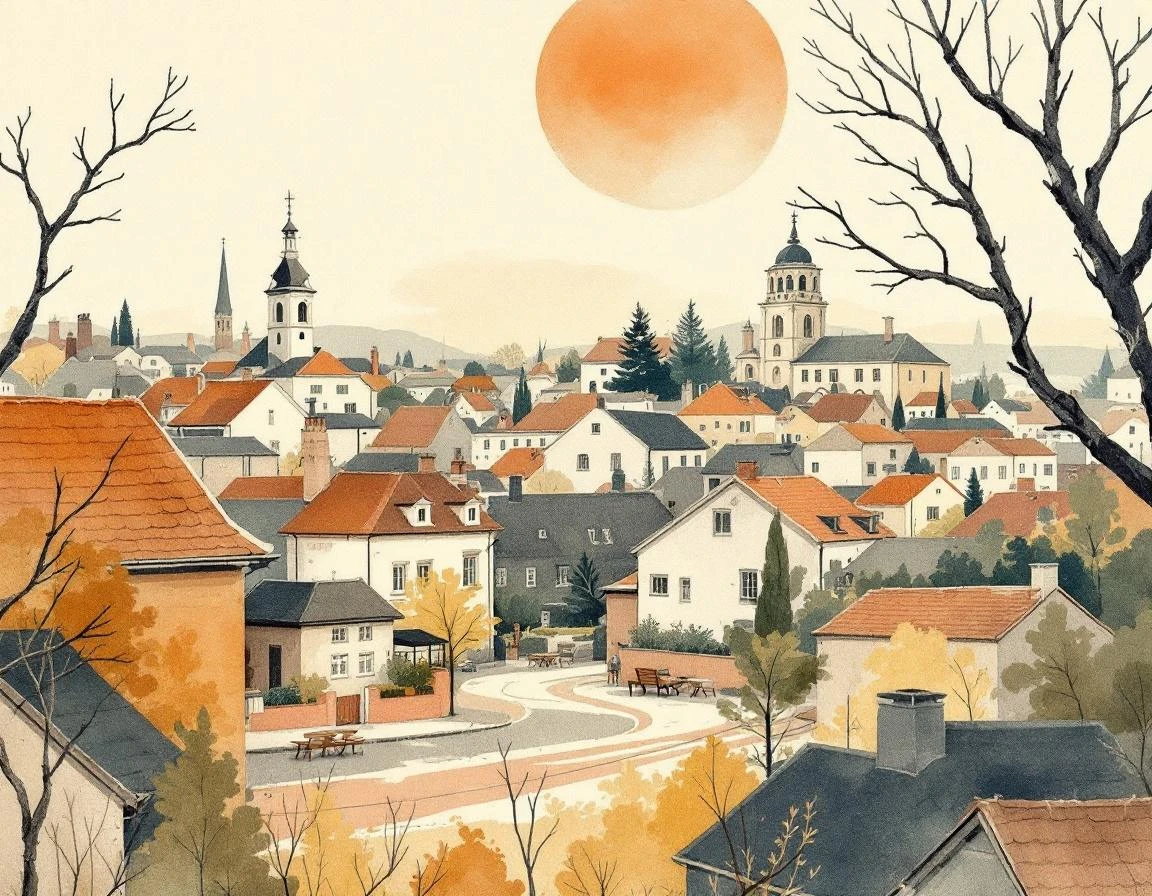
Name a place and it names itself back at you, or that's the ideal. In practice, naming fictional locations is one of those tasks that sounds trivial until you're staring at a blank field for twenty minutes. The name has to carry geography, culture, history, and tone all at once, without announcing that it's doing so. This generator handles towns, cities, regions, landmarks, and the one-off named place your story needs but you haven't figured out yet. Real settlement types and invented ones. The kind of name that sounds like it was always there.
How Places Get Their Names
Real-world place names follow patterns that fiction can borrow to make locations feel grounded. Descriptive names describe the landscape: the hill, the river, the color of the soil, the dominant animal (Buffalo, New York; Bull Run, Virginia; Serpent Mound, Ohio). Commemorative names honor people: towns named for founders, colonial administrators, military officers, or donors. Origin names reflect where settlers came from: New York, New Orleans, New South Wales, Nueva España. Event names mark what happened: Wounded Knee, Antietam, Thermopylae. The compound pattern, combining two meaningful elements, is universal across cultures because it works. "[Feature] + [Settlement type]" produces: Blackwater Mill, Stonehaven, Ironford, Coppergate. The first element identifies; the second contextualizes. It's the most productive single model for generating believable place names in any genre. The problem with generated place names is usually that they feel arbitrary: sounds assembled randomly rather than names that emerged from how people actually describe their world. Grounding a name in one of these patterns (descriptive, commemorative, origin, event) produces something that feels given for a reason, which is what makes a place name stick.
Genre and Naming Conventions
Genre shapes what a place name should feel like. High fantasy draws from pseudo-medieval European naming conventions: compound Anglo-Saxon toponymics (*Rivendell* — "cloven dale," *Mirkwood* — "dark forest"), invented proper names that sound like they could be historical (*Gondor*, *Rohan*), or names adapted from real historical sources (Tolkien borrowed his Dwarven names from the Poetic Edda). Science fiction has its own naming traditions. Planets get named for their dominant characteristic, or for the conventions of whoever discovered them: scientific nomenclature (*Sigma Iotia II*), corporate branding (*Weyland-Yutani Colony LV-426*), poetic gesture (*Pandora*), mythological shorthand (*Olympus*, *Elysium*). The name alone signals whether the story's universe is heroic, military, or run by a procurement department. Horror tends to split two ways. One tradition reaches for the ordinary-despite-everything: the town called Pleasant Valley, the hospital called Mercy General, the house called Rose Cottage — names that promise the opposite of what they deliver. The other goes grimly literal: the town named Dread, the asylum named Locke and Key, the house on Horror Hill. Both work because place names carry expectation, and horror is mostly about what happens when expectations fail.
Using the Generator
For worldbuilding that spans a region, consistency of naming convention signals that a single culture drew the map. Tolkien's Shire has Hobbiton, Bywater, Overhill, Crickhollow — all variants of the same English rural toponym tradition. When different regions carry different naming patterns, readers understand without being told that different peoples lived there. For names that need to carry narrative weight — the town where the protagonist grew up, the city where the climax occurs, the battle that changed everything — the name itself should do some of the work. "Waterloo" arrives already loaded. A fictional battle named "Redwater" or "Ashfield" will carry its own weight, lighter or darker depending on the sounds you choose. Think about what you need the name to signify before you settle on it. For tabletop RPGs, place names have a practical constraint: players have to remember them mid-session, pronounce them out loud, and keep six of them straight at once. The classic D&D location names — Barrier Peaks, White Plume Mountain — work because they're visually distinctive and immediately evocative. Abstract or overly elaborate names tend to blur together by the third session.