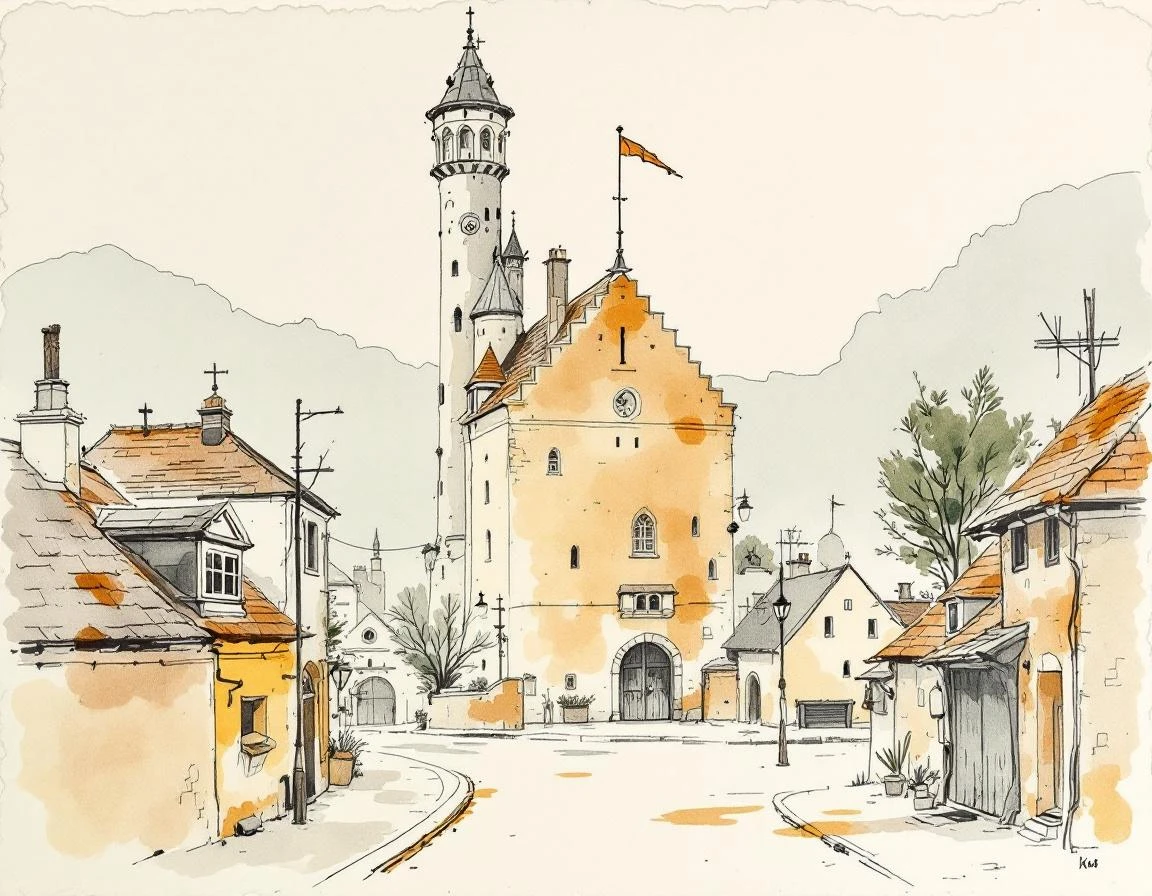

Orcish City Names: Strongholds and Settlements for Orc Communities
Orc settlements are rarely just backdrop. A name like *Grak'thul* or *Bloodfang Hold* tells you something about the people who built it, the violence they survived, and the way they want to be remembered. This generator draws on those naming traditions: guttural consonants, clan markers, terrain references, to produce names that feel inhabited rather than assembled. Use it for war-fortresses, tribal capitals, trade posts, and everything in between.
The Orcish Settlement Tradition
Orc settlements in fantasy have come a long way from the enemy camp of early dungeon-delving games. The Warcraft aesthetic, the orcish Horde with their shamanic tradition, honor culture, and specific architecture of bone and iron and hide, remains the dominant contemporary model. D&D's slow revision of orcs, from chaotic-evil monsters to a society with internal politics and competing factions, has similarly opened the orcish city as a narrative space rather than just a destination you clear and leave. Orcish settlement architecture reflects what the culture values: defensive positioning (orcs in most traditions are people who learned tactics through necessity, threatened by stronger enemies over long centuries), durable construction that can be rebuilt quickly after destruction, communal space for the clan gathering and the war council, and room for the shaman's practice. The clan system, the primary social unit in most orcish fantasy cultures, drives settlement naming. The founding clan is the settlement's identity: *Warchief's Hold*, *Ironjaw Stronghold*, *Darktusk Settlement*. The clan name comes first; the place exists because the clan does.
Naming Conventions
Traditional orcish city names draw on the phonological palette associated with fantasy orc speech: hard stops (*K, G, B*), fricatives (*Gr, Cr, Sk*), minimal vowels, heavy consonant clusters. *Gorthak*, *Skullport*, *Blackrock Hold*. The aesthetic signals toughness and directness, and it does so efficiently. Names with more cultural texture tend to reference specific events, ancestors, or geography. A city named for the battle that founded it (*Redfield*, after the blood-soaked field of the first engagement). A settlement named for the ancestor who led the migration (*Garthok's Rest*, *Morghul's Landing*). A fortified position named for the feature that made it defensible (*Blackwater Ford*, *Stoneback Ridge*). These names carry history without explaining it. There is also the ironic register. Orcish cities whose translated names confuse outsiders: "The Comfortable Place" is a war fortress; "Place of Resting" is a training ground where no one rests. Or names originally given by enemies that the orcs adopted sardonically, wearing the insult as a badge. This last category is worth exploring - it tends to produce the most interesting settlements on the page.
Using the Generator
For traditional fantasy threat-settings, such as the orcish warlord's fortress from which the campaign originates or the enemy stronghold the party needs to infiltrate, names should project strength and danger through phonology and vocabulary. For settings with complex orcish culture, whether Warcraft-style honor traditions or Critical Role-style spiritual practice and political history, names should reflect that sophistication without losing what makes them distinctively orcish. For stories told from inside orcish communities, from the orc protagonist's perspective or an outsider learning to see past what they were taught to fear, names should feel like home to the characters who live there.
Orcish City Names: A Working Naming Guide
Orcish city names should feel used, not arranged. Start with clan halls, war roads, forges, palisades, river crossings, bone markets, shaman fires, and old battlefields. Then decide what sort of place is being named, because a stronghold, clan capital, trade post, war camp, mine city, or rebuilt fortress asks for a different kind of word than a human market town. The generator can give you a quick spread, but the choice still has to sound like someone could say it while giving directions, filing a clan complaint, selling iron, dodging patrols, or pointing at a storm line. Keep a few candidates that disagree with each other. One may sound feared by outsiders; another may feel like a mapmaker cleaned it up too much. That friction is useful.
Who Gets to Name the City
Pick the naming authority before you fall in love with the syllables. Clan elders, war leaders, shamans, traders, and enemies carry names in ways officials rarely predict. A tax office wants tidy spelling. A gate guard wants speed. A founder, clan mother, smith, scout, rebel, or treaty clerk may all have a reason to push a different version. For orcish city names, the useful candidate usually reveals who carved the gate and who kept saying the older word anyway. Read the name in a sentence of dialogue. If every character would pronounce it the same way, the city may be too clean.
Language Care Before Style
Pick a clan, period, and naming authority before choosing. A local name, war name, trade name, and enemy name do different work. This is where many generated names go wrong. They borrow surface sound while ignoring who owns the language, whether the place is real, and what history the word may touch. Fiction gives you room to invent, but it does not make every source available for casual decoration. If you need a real cultural reference, narrow it to a specific region and period. If you are making a secondary world, decide what parts of the naming logic you are adapting and what parts you are leaving alone.
The Work Inside the Name
The city needs work inside it. Maybe people came for a ford, forge, mine, clan hall, war road, pasture, market, or defensible ridge that made survival possible. Maybe they stayed because leaving cost too much. Let that practical reason roughen the name. A good result can hold an official story and a private one at the same time: the carved name on the gate, the clipped version in a market, the older clan word used at home, the insult outsiders keep repeating. That layered feel matters more than a rare letter combination.
The Scene Test
Before keeping a result, run it through a small scene. Put it on a war banner, in an elder's warning, on a trade crate, and in the mouth of someone who wants the city forgotten. For orcish city names, the winner should make one concrete promise about clan, geography, danger, honor, trade, faith, or memory. It should also leave room for a writer to disagree with it later. City names age. They get translated badly, carved over, shortened by children, revived by claimants, sold by diplomats, or cursed by people who left. Choose the one that can survive that kind of handling.