
Elven City Name Generator
Elven settlement names carry a particular burden in fantasy writing: readers arrive with expectations shaped by decades of Tolkien, Le Guin, and their imitators. A name that sounds generically "elvish" can undermine a world before the first scene begins. This generator draws on the phonetic and semantic patterns that define elven naming across the tradition - the long vowels, the nature-rooted compounds, the suggestion of age - and lets you push against them or lean into them, depending on what your world requires.
Natural Integration and Meaning
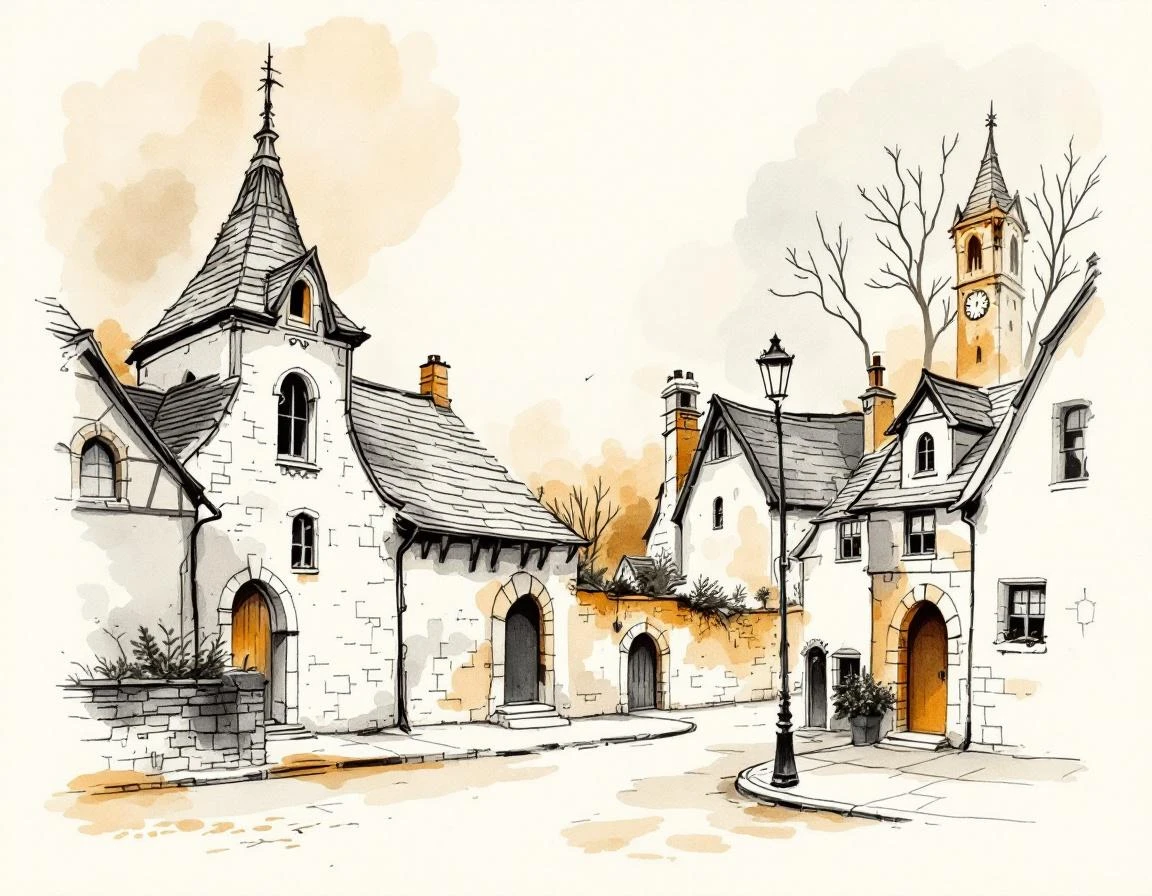
Elven city names tend to root themselves in the landscape rather than claim it. Tolkien established the template: *Lothlórien* (flower-dream), *Rivendell* (cloven valley), *Mithlond* (grey havens), names that describe a place as it is rather than commemorate whoever built it. The pattern held because it feels true to how elves are imagined: communities that grow into an environment over centuries rather than reshape it in a generation. Specific trees recur across traditions: oak, ash, willow, and Tolkien's invented mallorn, as do flowers, springs, and the particular quality of light through leaves. Coastal and riverine settlements pull in water: falls, tidal mouths, river bends. Celestial elements appear too, especially stars and moon phases, partly because elves in most traditions are creatures of long night watches and deep sky-reading. What these names share is restraint. They do not announce dominion. Compare them to dwarvish names, which tend to reference what was carved out or forged, or to human city names that often commemorate founders and battles. An elven name is more likely to say *where the silver stream bends* than *here is what we built*.
Linguistic Melody and Aesthetics
Elven naming conventions lean heavily on phonetic patterns inspired by real-world languages, especially the Finnish and Welsh that Tolkien drew on when building Quenya and Sindarin. The result is a recognizable sound profile: liquid consonants (*l*, *r*, *n*), vowel harmony, and syllable flows that feel melodic when spoken aloud rather than read silently. Common structural pieces include prefixes like *Tel-* (sky/heaven), *Cae-* (earth), *Quel-* (good/blessed), and *Sil-* (shine/silver), combined with suffixes like *-dor* (land), *-ion* (son of), *-las* (leaf), or *-lin* (song). The combinations prioritize sound and specific resonance over literal description because most fantasy traditions assign elves a culture more interested in what something *means* than what it *does*. Intentional diphthongs and soft consonant transitions do most of the work. They're what make an elven name feel immediately distinct from a dwarven one, even before you know what either means.
Historical Depth and Cultural Memory
Elven city names tend to be records more than labels. Because elven lifespans stretch across millennia, a city's name might commemorate a battle, a ruler, or a magical discovery that human settlements would have forgotten centuries ago, and some current residents may actually remember it happening. The oldest cities carry the simplest names, worn down to their roots in archaic dialects. Newer settlements take on longer compound forms that quietly acknowledge their derivative status, the way a branch acknowledges a trunk. Some names preserve emotional or philosophical values: harmony, revelation, a particular quality of light or understanding that the founders considered worth naming. Others are straightforwardly memorial, the elven equivalent of a war monument that also happens to be where you live. The result is a toponymic record that functions as living history. Writers working in this tradition, including Tolkien and Ursula K. Le Guin, understand that the name is never just a sound. It carries an obligation. Residents are expected to know what they are honoring, and in elven society, "expected to know" often means someone in the room was there.
Elven City Names: A Working Naming Guide
An elven city name should feel used, not arranged. Start with ancient forests, river terraces, starlit harbors, hidden valleys, moon bridges, and tree-grown courts. Then decide what sort of place is being named, because a forest city, haven, river court, hidden valley, island refuge, or twilight academy asks for a different kind of word than a capital or a ruin. The generator can give you a quick spread, but the choice still has to sound like someone could say it while guiding a stranger, petitioning a queen, carrying a message, refusing an exile, or naming a river bend. Keep a few candidates that disagree with each other. One may sound plain; another may feel like a mapmaker cleaned it up too much. That friction is useful.
Who Gets to Name the Place
Pick the naming authority before you fall in love with the syllables. Local speakers preserve or soften names in ways officials rarely predict. A royal scribe wants tidy spelling. A harbor master wants speed. A court singer, archivist, elder, exile, border warden, or treaty clerk may all have a reason to push a different version. For elven city names, the useful candidate usually reveals who got to write the sign and who kept saying the older word anyway. Read the name in a sentence of dialogue. If every character would pronounce it the same way, the place may be too clean.
Language Care Before Style
Elven names can go syrupy fast. Decide whether the culture names by tree, star, exile, craft, grief, or living water. This is where many generated names go wrong. They borrow surface sound while ignoring who owns the language, whether the place is real, and what history the word may touch. Fiction gives you room to invent, but it does not make every source available for casual decoration. If you need a real cultural reference, narrow it to a specific region and period. If you are making a secondary world, decide what parts of the naming logic you are adapting and what parts you are leaving alone.
The Work Inside the Name
The city needs work inside it. Maybe people came for a grove, ferry, sanctuary, star tower, bridge, oath site, or exile road that changed how the valley was used. Maybe they stayed because leaving cost too much. Let that practical reason roughen the name. A good result can hold an official story and a private one at the same time: the formal name in the archive, the clipped version in a harbor, the older word used at home, the insult outsiders keep repeating. That layered feel matters more than a rare letter combination.
The Scene Test
Before keeping a result, run it through a small scene. Put it on a map, in a lullaby, on a ship manifest, and in the mouth of someone who wants the place forgotten. For elven city names, the winner should make one concrete promise about geography, memory, kinship, danger, faith, craft, or exile. It should also leave room for a writer to disagree with it later. City names age. They get translated badly, painted over, shortened by children, revived by claimants, softened by singers, or cursed by people who left. Choose the one that can survive that kind of handling.