
Cyberpunk City Name Generator
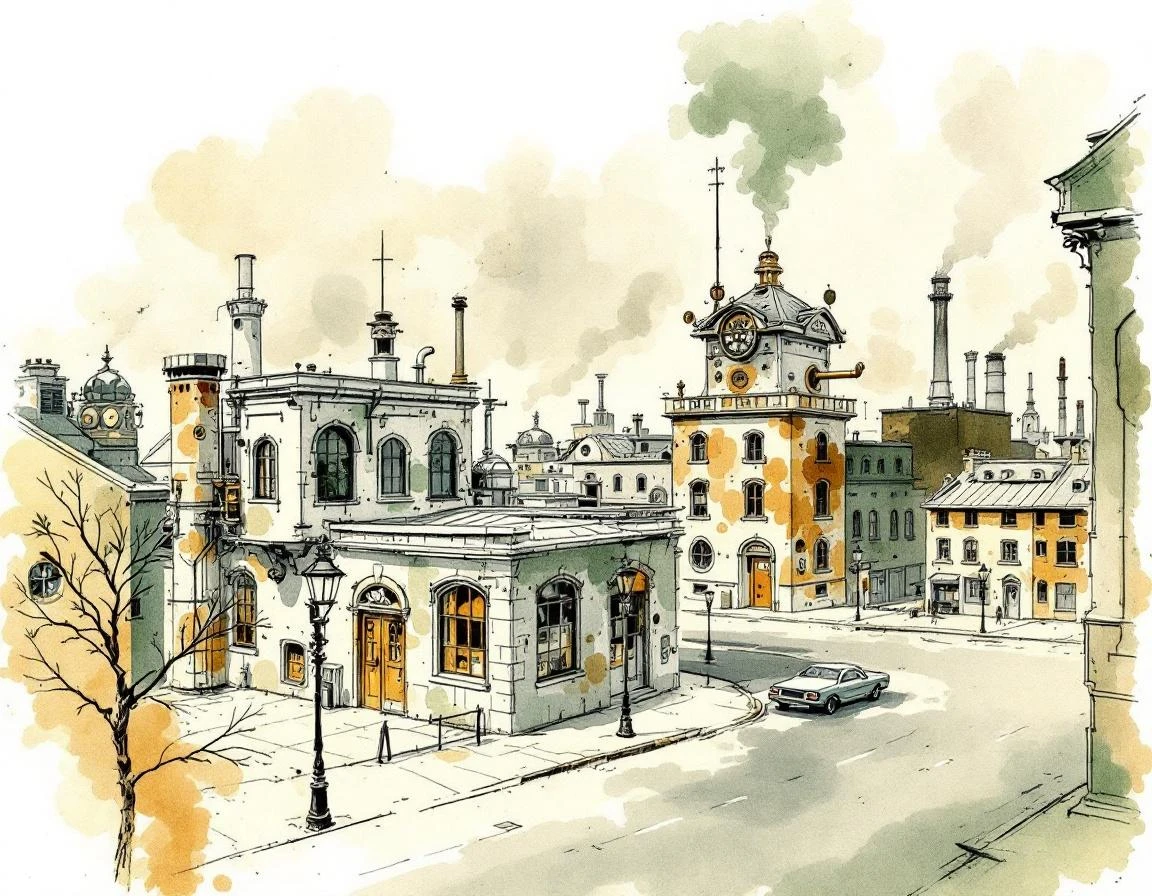
Cyberpunk cities tend to have names that do the work before the story starts: compressed, polyglot, slightly wrong in a way that feels deliberate. Think Chiba City, Night City, Midgar: names that sound like they were coined by a marketing department and then survived a collapse. This generator draws on those conventions. Corporate suffixes fused to degraded place names. Transliterated fragments from three languages no longer spoken in their original forms. Syllable combinations that suggest infrastructure and rot in equal measure. Useful where the city needs to feel like it has a history it would rather forget: fiction, tabletop, or worldbuilding notes.
Corporate Branding and Ownership
Cyberpunk city names tend to encode the genre's critique of corporate power directly into the geography. Names like *NeoTokyo* or *SanFrancOracle* suggest that a megacorporation owns the place, not only the offices inside it. Others lean into deliberate blandness: *Prosperity Hub Alpha*, *New Eden Sector*, the kind of language that sounds like it came from a marketing deck rather than a place anyone actually lives. Then there are the alphanumeric designations, such as *NC-1* or *Metro Complex B19*, which strip location down to bureaucratic code: the city as filing system. What these conventions share is the implication that naming itself has been privatized. Streets, districts, entire urban centers become brand assets. The inhabitants are incidental.
Technological Integration
Technology is infrastructure in cyberpunk city names. Names pull from digital vocabulary ('BitCity,' 'Data Harbor'), computing architecture ('Cache Basin,' 'Silicon Heights'), and network topology ('NodeTown,' 'Mesh Central'). Vertical stratification shows up too: 'Upper,' 'Lower,' 'Sky,' 'Deep,' terms that mark physical location and social rank at the same time, since in the megastructure they amount to the same thing. The more interesting names splice technology against the archaic. 'Neon Feudal' and 'Quantum Victorian District' work because cyberpunk has always been about that friction: gleaming hardware sitting on top of rotting foundations, feudalism with better surveillance.
Cultural Hybridity and Global Influences
Cyberpunk city names tend to mirror the genre's core preoccupation: a globalized future where national borders have collapsed but cultural friction hasn't. Names like *New Shanghai-Angeles* or *Moskva-West* pull from English, Japanese, Chinese, and Russian in the same breath, treating language as another resource to extract and recombine. Street slang and countercultural references collide with sterile corporate nomenclature, the same tension Gibson mapped in *Neuromancer* between the Sprawl's official geography and what people actually called things on the ground. Districts get named after whoever claimed them: immigrant enclaves, criminal outfits, server farms, dead corporations. Walk six blocks and the naming logic changes entirely. The point is not chaos. The genre argues that culture does not homogenize cleanly, no matter how hard the megacorps push; it splinters, hybridizes, and persists in the gaps.
Cyberpunk City Names: A Working Naming Guide
A cyberpunk city name should feel used, not arranged. Start with corporate arcologies, rain-streaked ports, data districts, surveillance zones, undercity markets, and privatized transit grids. Then decide what sort of place is being named, because a megacity, corporate enclave, sprawl district, vertical city, orbital-linked port, or abandoned smart suburb asks for a different kind of word than a capital or a ruin. The generator can give you a quick spread, but the choice still has to sound like someone could say it while giving directions, filing a complaint, routing contraband, dodging patrols, or warning someone off a dead transit line. Keep a few candidates that disagree with each other. One may sound local before it sounds stylish; another may feel scrubbed by a corporate mapmaker. That friction is useful.
Who Gets to Name the Place
Pick the naming authority before you fall in love with the syllables. Local speakers shorten names in ways officials rarely predict. A permit office wants tidy spelling. A courier wants speed. A gang, transit clerk, data broker, displaced family, rebel cell, or company lawyer may all have a reason to push a different version. For cyberpunk city names, the useful candidate usually reveals who got to write the sign and who kept saying the older word anyway. Read the name in a sentence of dialogue. If every character would pronounce it the same way, the place may be too clean.
Language Care Before Style
Hybrid language needs a reason: migration, acquisition, machine translation, street slang, or imposed branding. Otherwise it reads like chrome wallpaper. This is where many generated names go wrong. They borrow surface sound while ignoring who owns the language, whether the place is real, and what history the word may touch. Fiction gives you room to invent, but it does not make every source available for casual decoration. If you need a real cultural reference, narrow it to a specific region and period. If you are making a secondary world, decide what parts of the naming logic you are adapting and what parts you are leaving alone.
The Work Inside the Name
The city needs work inside it. Maybe people came for a port, server farm, orbital elevator, refinery, quarantine wall, data exchange, or transit hub. Maybe they stayed because leaving cost too much. Let that practical reason roughen the name. A good result can hold an official story and a private one at the same time: the polished name on the transit board, the clipped version in a market, the older name used at home, the insult outsiders keep repeating. That layered feel matters more than a rare letter combination.
The Scene Test
Before keeping a result, run it through a small scene. Put it on a police report, in a street vendor's warning, on a shipping crate, and in the mouth of someone who wants the place forgotten. For cyberpunk city names, the winner should make one concrete promise about geography, ownership, class, surveillance, trade, or memory. It should also leave room for a writer to disagree with it later. City names age. They get translated badly, painted over, shortened by children, revived by activists, sold by developers, or cursed by people who left. Choose the one that can survive that kind of handling.