
Northern South American Town Name Generator
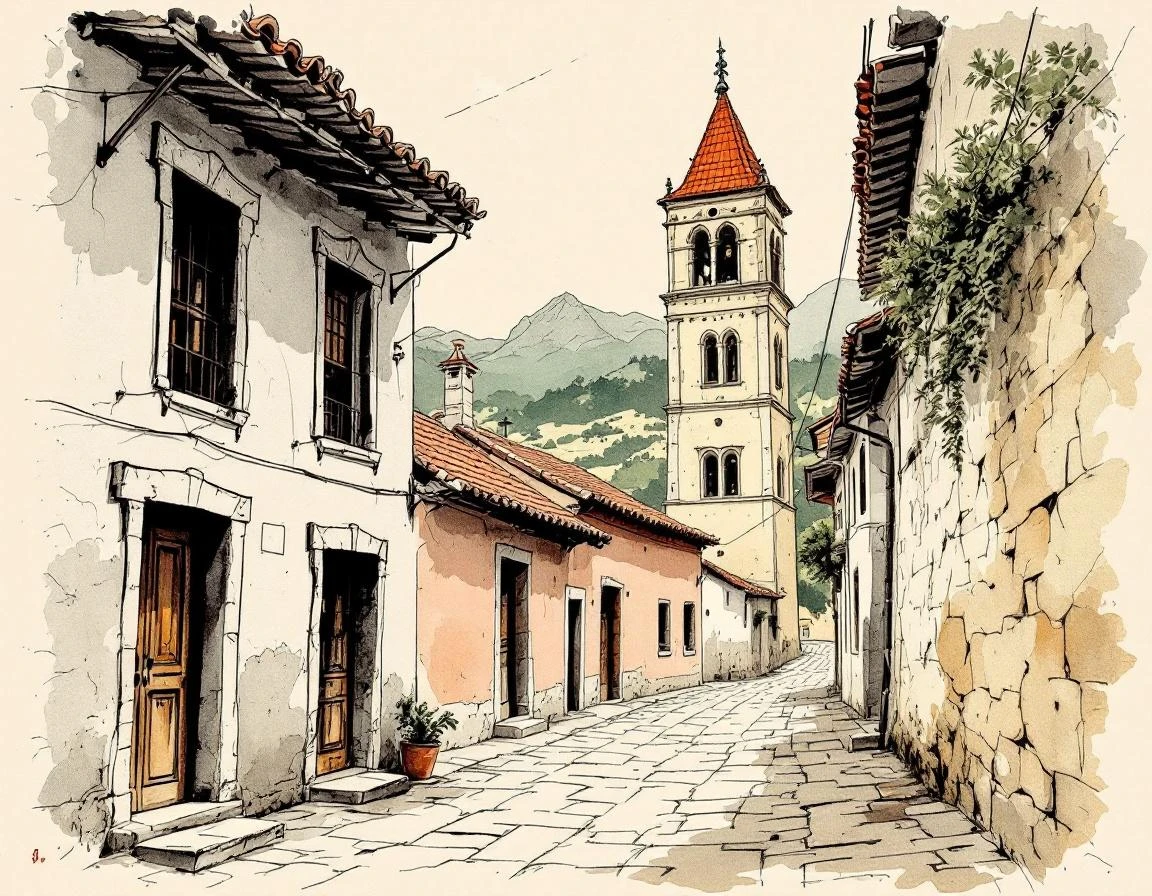
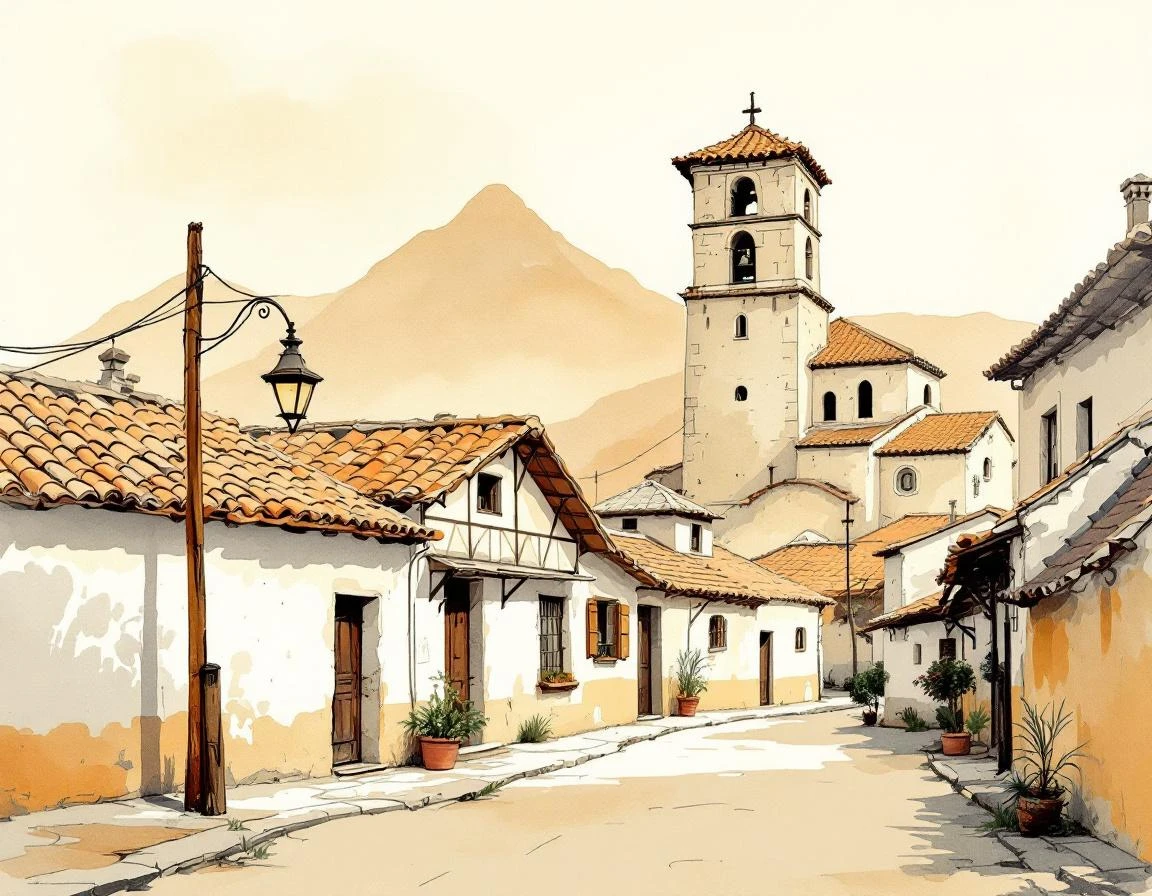
Names for fictional towns in northern South America need to feel earned. A Colombian river settlement sounds nothing like a Venezuelan highland village, and a name that blurs that distinction pulls readers out of the story immediately. The generator draws on the actual naming conventions of the region: Spanish colonial compounds (*San*, *Santa*, *Villa*, *Puerto*), indigenous Chibcha, Arawak, and Carib roots, Portuguese-inflected Surinamese place names, and the French administrative vocabulary still embedded in Guiana's geography. A name like *Aguablanca* carries different weight than *Kaieteur* or *Saint-Laurent* - the generator keeps those traditions separate rather than blending them into something geographically incoherent. Coverage spans the full range of the region's terrain: Caribbean port towns, Andean market villages, Orinoco basin settlements, and the deep Amazon interior where Quechua loanwords still surface in place names. Writers working on anything from García Márquez-inflected magical realism to contemporary political thrillers set in Caracas should find names that hold up to scrutiny.
Indigenous Foundations
The generator draws on naming elements from the Wayuu, Arawak, Carib, Quechua, and other Indigenous linguistic traditions that underlie many place names in the region. These languages contribute distinctive phonetic patterns and morphemes tied to specific landscapes: river confluences, highland plateaus, coastal inlets. From Orinoco basin settlements to Colombian highland communities, the Indigenous roots give generated names a geographic specificity that invented syllables rarely achieve.
Colonial Heritage
Spanish, Portuguese, Dutch, French, and English colonial naming patterns each left distinct marks on the region. A Spanish settlement tends to reach for a saint or a Catholic dedication (*San Lorenzo*, *Santa Cruz de la Sierra*). Dutch names lean toward commercial pragmatism - *Nieuw Amsterdam* was never a spiritual aspiration. French administrative habit produced compound designations that announced governance before geography. The generator draws on these differences rather than flattening them, and weights European elements against Indigenous foundations according to where in the continent a settlement actually sat and when it was founded.
Geographical References
Place names in this part of the world tend to be literal in the best way. A village sits where two rivers meet, and the name says so. A settlement climbs into the cloud forest, and the name records the altitude. The Amazon basin, the Andes, the Caribbean littoral - each zone left its own vocabulary in the towns that grew there, drawn from Quechua, Arawak, Spanish colonial administration, and the practical speech of people naming what they saw. The generator works from those patterns. Coastal fishing settlements, river trading posts, highland mining camps, rainforest clearings - each carries different naming logic, and the tool tries to honor that rather than flatten everything into generic Latin American texture. The difference between a name that belongs on the Magdalena and one that belongs in the Venezuelan páramo is real, and it matters to readers who know the region.
Northern South American Town Names: A Working Naming Guide
Northern South American town names should sound tied to route, water, altitude, and settlement history. Start with the place: Caribbean port, Andean market village, Orinoco landing, rainforest mission, mining camp, border river town, or Guiana administrative outpost. Then decide which naming layer is strongest: Indigenous language, Spanish colonial dedication, Dutch or French administration, republican office, trade company, or local speech. The generator can give you a spread, but the choice still has to work in directions, church records, ferry notices, border paperwork, market talk, or a family story about an older name.
Who Gets to Name the Place
Pick the naming authority before choosing the syllables. A river pilot, mission priest, Indigenous community, colonial office, mining company, market family, military post, or border clerk will leave different marks. A useful Northern South American town name reveals who wrote the sign and who kept saying the older word anyway. Read the name in dialogue. If a fisherman, trader, priest, driver, and local elder would all use the same version, the place may be too clean.
Language Care Before Style
Wayuu, Arawak, Carib, Quechua, Spanish, Dutch, French, English, Portuguese, and Creole naming layers do different work across the region. This is where generated names often go wrong. They borrow surface sound while ignoring who owns the language, whether the place is real, and what history the word may touch. Fiction gives room to invent, but real cultural reference needs a specific country, people, and period. For a secondary world, adapt naming logic from river, coast, mountain, mission, market, and border history rather than borrowing living place names casually.
The Work Inside the Name
Give the town work inside the name. Maybe people came for a river landing, coffee road, mine, mission, port, ferry, highland market, border post, or rainforest clearing. Let that practical reason roughen the result. A good name can hold an official story and a private one at the same time: the colonial form, the clipped market name, the Indigenous word kept at home, the shipping label, or the rival town's insult.
The Scene Test
Before keeping a result, run it through a small scene. Put it on a river schedule, customs form, school register, grandmother's warning, cargo stamp, and a driver asking about the next pass. The winner should promise something concrete about water, altitude, coast, trade, faith, border, or memory. It should also leave room for later speakers to shorten it, translate it badly, restore an older form, or argue over which version belongs.
River, Coast, and Highland Routes
For northern South American towns, separate an Andean market, Caribbean port, llanos crossing, rainforest mission, mining camp, and border river landing before choosing. Spanish, Indigenous, African diaspora, missionary, republican, and commercial layers can sit uneasily together. A useful name respects that mixture by pointing to route, water, labor, language, or patronage rather than reaching for a single regional costume.