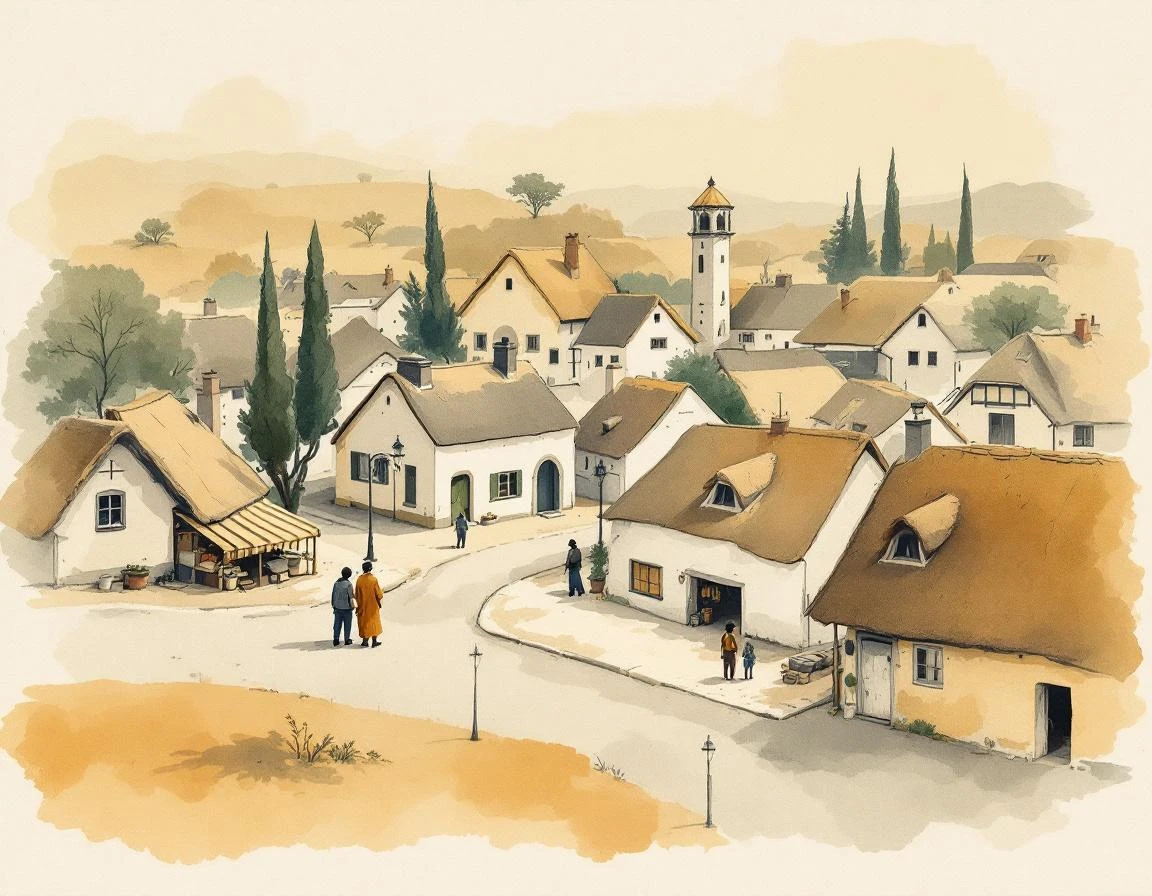

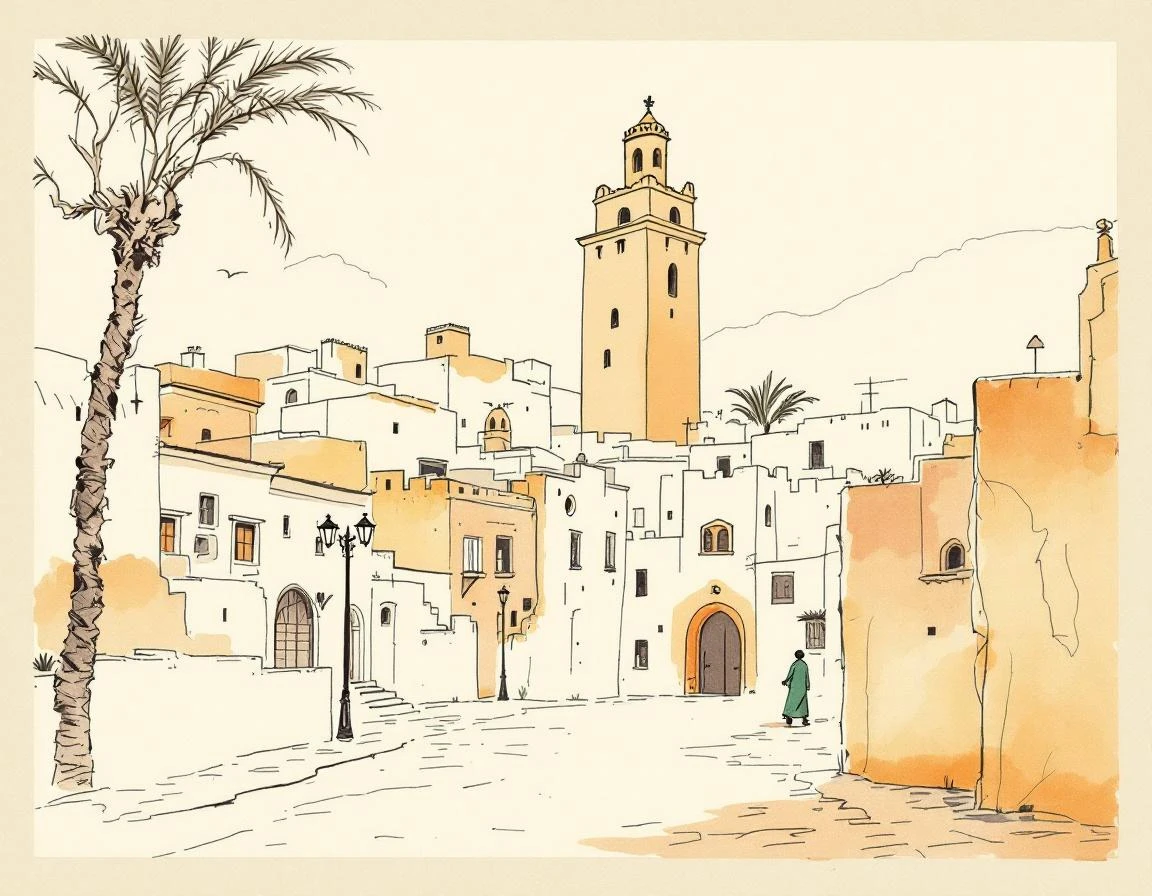
Central African Town Names - Congo Basin to the Great Rift
Generate Central African town names from the Bantu language traditions of the Congo Basin, the Great Lakes region, and the Cameroon highlands: places shaped by the world's second-largest rainforest and the layered political history of post-colonial Central Africa.
Bantu Naming in the Congo Basin
Central Africa's place names are dominated by Bantu languages, the family that spread southward and eastward from a homeland near modern Cameroon and Nigeria during the first millennium CE, replacing or absorbing earlier languages across much of sub-Saharan Africa. This expansion is one of the largest population movements in human prehistory, and its linguistic legacy runs through the naming conventions of the entire region. Congo River place names: *Kinshasa* (from Kinkasa, a personal name; the capital of the DRC, formerly *Léopoldville* under Belgian colonialism, renamed 1966); *Brazzaville* (named for the Italian-French explorer Pierre Savorgnan de Brazza, capital of the Republic of Congo, and one of the few African capitals still carrying a European explorer's name); *Lubumbashi* (from a Luba term; the mining city of the Katanga region, formerly *Élisabethville*). The Kingdom of Kongo, which flourished from the fourteenth into the early eighteenth century, had its own naming geography that substantially predated the colonial period. Kongo city names: *Mbanza Kongo* (the capital - *mbanza* meaning the chief's settlement or residence in Kikongo; the Portuguese renamed it São Salvador, though the Angolan city has since reclaimed *Mbanza Kongo*), *Matamba*, *Ndongo*. The Kongo kingdom's naming conventions shaped the Kikongo, Lingala, and Kituba languages that remain central to the DRC today.
Colonial and Post-Colonial Naming
Central Africa was carved up late and unevenly. The Berlin Conference of 1884-85 formalized the scramble, and what followed was three distinct colonial regimes with three distinct naming logics: Belgian Congo (Leopold II's personal fief, later the Belgian state), French Equatorial Africa (modern Chad, CAR, Republic of Congo, and Gabon), and German Kamerun, partitioned after WWI between Britain and France. Belgian naming was systematic to the point of being a ledger: cities named for Leopold (*Léopoldville*), his successors, and administrators. When Mobutu renamed the country Zaire in 1971 under his *authenticité* policy, he reversed much of this - Leopoldville became Kinshasa, Elisabethville became Lubumbashi, Stanleyville became Kisangani. The policy extended to personal names; Mobutu himself had been baptized Joseph-Désiré Mobutu. Cameroon's naming carries its double colonial history more visibly than most. *Yaoundé* comes from the Ewondo word for a type of groundnut - the name predates any European presence. *Douala* comes from the Duala people. French-derived names dominate the north, English-derived names the anglophone northwest. The divide between them is still legible.
Using the Generator
For pre-colonial Central African settings - the Kingdom of Kongo, the Luba Empire of the eastern DRC, the trading networks of the Swahili-connected Great Lakes region - names should come from the specific language traditions of those cultures. Kikongo and the Luba naming traditions are distinct from each other, and conflating them is the kind of error readers from those regions will notice immediately. For colonial-period settings - the rubber terror of Leopold's Congo Free State (1885-1908), the Belgian mission stations, the French and British administrative apparatus - naming reflects the specific colonial overlay on pre-existing place names. A mission station name and a pre-colonial village name are not interchangeable. For post-independence and contemporary settings, the political stakes of naming are still live. What a place is called, and by whom, remains contested in the DRC, the Central African Republic, and Cameroon's anglophone regions. Fiction set in these contexts should treat that contestation as part of the material, not background noise.
Central African Town Names: A Working Naming Guide
Central African Town names should feel used, not arranged. I would start with the ground: Congo Basin forest, river ports, copper belts, mission clearings, rainforest roads, and company stations. Then I would decide what sort of place is being named, because a river landing, forest town, mining camp, provincial capital, mission settlement, or market clearing asks for a different kind of word than a capital or a ruin. The generator can give you a quick spread, but the choice still has to sound like someone could say it while giving directions, filing a complaint, selling grain, dodging patrols, or pointing at a storm line. Keep a few candidates that disagree with each other. One may sound tired from use; another may feel like a mapmaker cleaned it up too much. That friction is useful.
Who Gets to Name the Place
Pick the naming authority before you fall in love with the syllables. Local speech keeps and loses names in ways officials rarely predict. A tax office wants tidy spelling. A sailor wants speed. A priest, elder, guild clerk, surveyor, rebel, or company lawyer may all have a reason to push a different version. For Central African Town names, the useful candidate usually reveals who got to write the sign and who kept saying the older word anyway. Read the name in a sentence of dialogue. If every character would pronounce it the same way, the place may be too clean.
Language Care Before Style
Kongo, Lingala, Luba, Mongo, Fang, Sangho, French, and Portuguese layers should not blur. The river usually knows more than the office does. This is where many generated names go wrong. They borrow surface sound while ignoring who owns the language, whether the place is real, and what history the word may touch. Fiction gives you room to invent, but it does not make every source available for casual decoration. If you need a real cultural reference, narrow it to a specific region and period. If you are making a secondary world, decide what parts of the naming logic you are adapting and what parts you are leaving alone.
The Work Inside the Name
The town needs work inside it. Maybe people came for a ferry, a mine, a shrine, pasture, a school, a harbor, a wall, or a road that cut through older country. Maybe they stayed because leaving cost too much. Let that practical reason roughen the name. A good result can hold an official story and a private one at the same time: the polished name on the station board, the clipped version in a market, the older name used at home, the insult outsiders keep repeating. That layered feel matters more than a rare letter combination.
The Scene Test
Before keeping a result, run it through a small scene. Put it on a weather report, in a grandmother's warning, on a shipping crate, and in the mouth of someone who wants the place forgotten. For Central African Town names, the winner should make one concrete promise about geography, class, danger, faith, trade, or memory. It should also leave room for a writer to disagree with it later. Town names age. They get translated badly, painted over, shortened by children, revived by activists, sold by developers, or cursed by people who left. Choose the one that can survive that kind of handling.