
Southern South American Town Name Generator
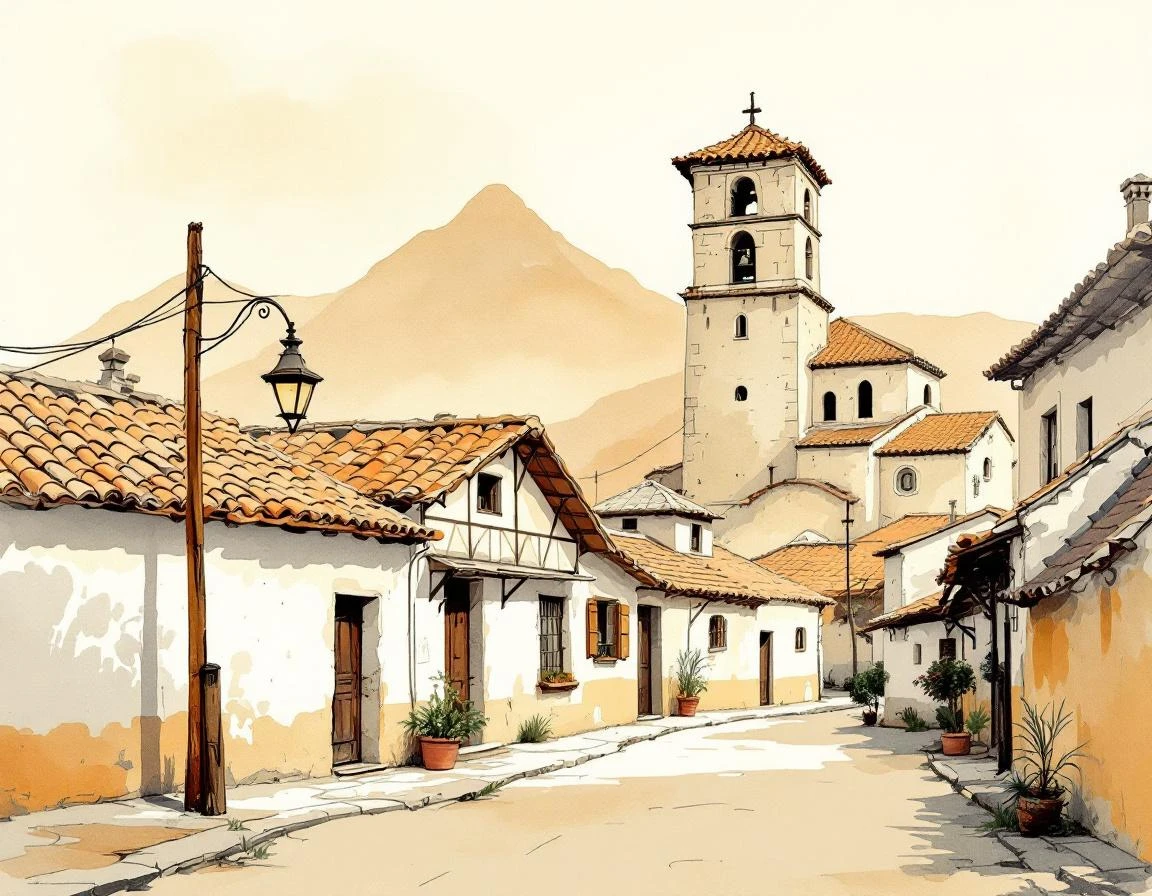
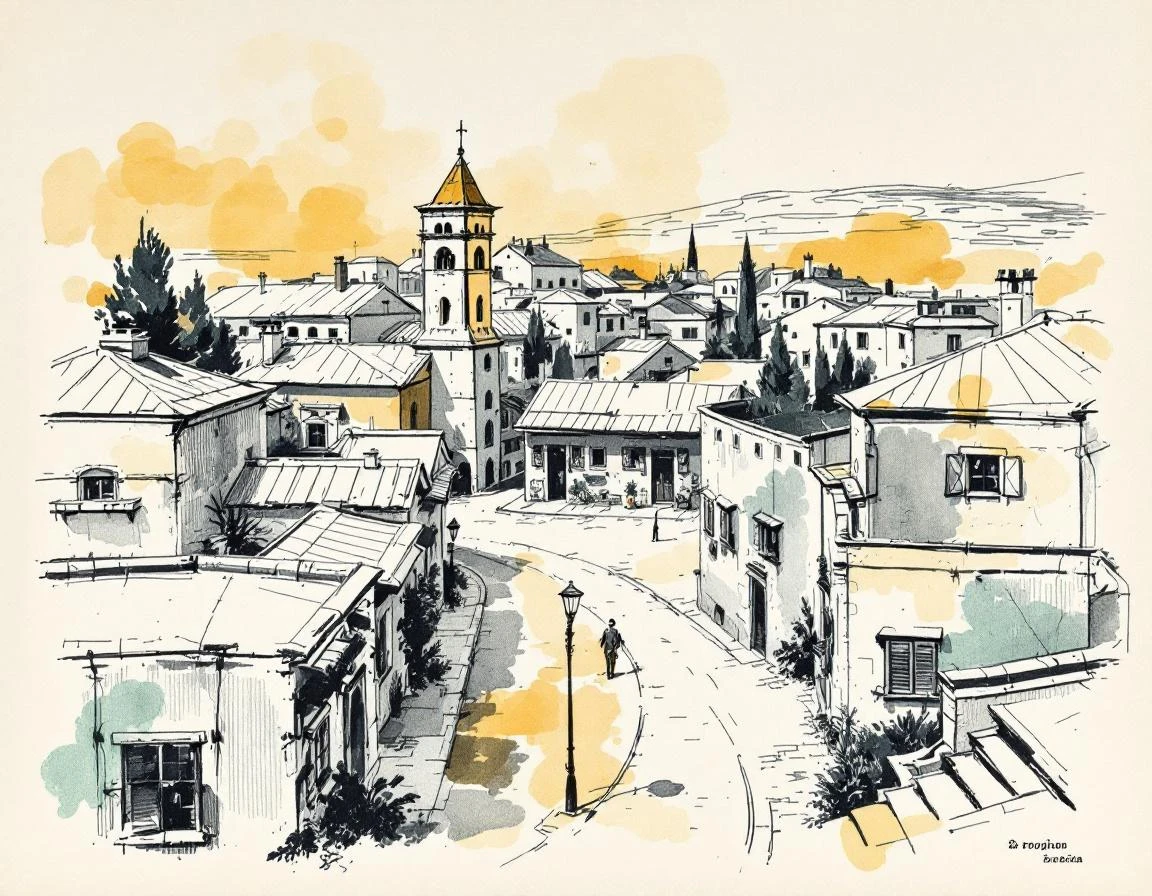
Town and city naming in the Southern Cone draws on five centuries of layered influence: Guaraní, Mapuche, and Quechua place names sitting alongside Spanish colonial foundations, Italian and German immigrant settlements, and the occasional Welsh community that landed in Patagonia and stayed. This generator works across Argentine pampa towns with their flat vowels and patron-saint prefixes, Chilean coastal villages, Uruguayan river settlements, the subtropical Paraguayan interior, and the gaucho country of Rio Grande do Sul. Whether you need a credible capital district for an alternate-history Argentina, a forgotten railroad stop in the Atacama, or a river port somewhere in the Chaco, the names here are built from regional phonological patterns rather than generic "Spanish-sounding" parts.
Indigenous Influences
Many towns across southern South America carry names that predate Spanish colonization entirely. Mapuche, Guaraní, and other Indigenous languages left their phonology embedded in the regional toponymy, sometimes intact, sometimes folded into hybrid forms after contact. The generator draws on these patterns directly: the consonant clusters, the place-name suffixes, and the terms for rivers, ridgelines, and seasonal winds that Indigenous communities used to orient themselves in specific landscapes. The result is names that feel grounded rather than invented because the underlying logic is real, drawn from languages that were doing this work for centuries before any European cartographer arrived.
European Settlement Patterns
Spanish, Italian, German, and other European influences shaped southern South America through successive waves of immigration, and the generator draws on each of them. Piedmontese Italian naming patterns appear in Argentina's agricultural zones, Welsh in Patagonia, German in southern Chile, and Swiss in isolated colony settlements, alongside the Spanish and Portuguese colonial foundations that underlie much of the region. The result is a set of settlement names that reflect how these communities named places: not a uniform colonial grid, but a patchwork of languages and origins deposited at different moments across two centuries.
Regional Geography
Names pull from the Pampas, Patagonia, the Andes, and the Atlantic coast, the landscapes that determined where people settled and what they called those places. Cattle-ranching towns on the grasslands developed differently from mining camps at altitude, and port cities on the Atlantic grew under different pressures than villages tucked into the temperate rainforests of southern Chile. The generator keeps those distinctions visible, producing names rooted in a specific environment rather than assembled from a generic Latin American word list.
Southern South American Town Names: A Working Naming Guide
Southern South American town names should sound touched by distance, weather, migration, and labor. Start with the place: Patagonian rail stop, Chilean fishing village, Uruguayan river port, Argentine pampa settlement, Paraguayan interior town, Andean mining camp, or immigrant colony. Then decide which layer is strongest: Indigenous language, Spanish or Portuguese colonial record, saint dedication, railway schedule, ranching speech, or immigrant memory. The generator can give you a spread, but the choice still has to work in directions, market talk, customs paperwork, ferry schedules, or a family correction of the official name.
Who Gets to Name the Place
Pick the naming authority before choosing the syllables. A Mapuche community, Guaraní speaker, colonial parish, ranch owner, rail company, port authority, immigrant society, or border office will leave different marks. A useful Southern South American town name reveals who wrote the sign and who kept saying the older word anyway. Read the name in dialogue. If a gaucho, fisher, customs clerk, priest, and grandmother would all use the same version, the place may be too clean.
Language Care Before Style
Mapuche, Guaraní, Quechua, Spanish, Portuguese, Italian, German, Welsh, and other naming layers change by region and period. This is where generated names often go wrong. They borrow surface sound while ignoring who owns the language, whether the place is real, and what history the word may touch. Fiction gives room to invent, but real cultural reference needs a specific country, people, and period. For a secondary world, adapt naming logic from wind, river, ranch, rail, port, and migration history rather than borrowing living place names casually.
The Work Inside the Name
Give the town work inside the name. Maybe people came for sheep, cattle, a river port, nitrate works, copper, timber, rail repair, fishing, vineyards, a mission, or a border crossing. Let that practical reason roughen the result. A good name can hold an official story and a private one at the same time: the parish name, the clipped market form, the Indigenous name kept at home, the railway label, or the insult outsiders keep repeating.
The Scene Test
Before keeping a result, run it through a small scene. Put it on a train board, shipping crate, weather report, saint-day poster, grandmother's warning, and border form. The winner should promise something concrete about wind, distance, river, coast, labor, faith, trade, or memory. It should also leave room for later speakers to shorten it, translate it badly, revive an older form, or argue over which version belongs.
Southern Cone Texture
For this region, the final choice should feel as if weather, distance, and migration have all touched it. A Patagonian rail stop, a Chilean fishing town, an Uruguayan river port, and an Argentine pampa settlement can all share colonial paperwork and still sound different in the mouth. Keep the name that hints at wind, livestock, saint days, railway schedules, indigenous language layers, or immigrant memory without turning the whole place into a postcard.