
Viking Town Names That Sound Inhabited
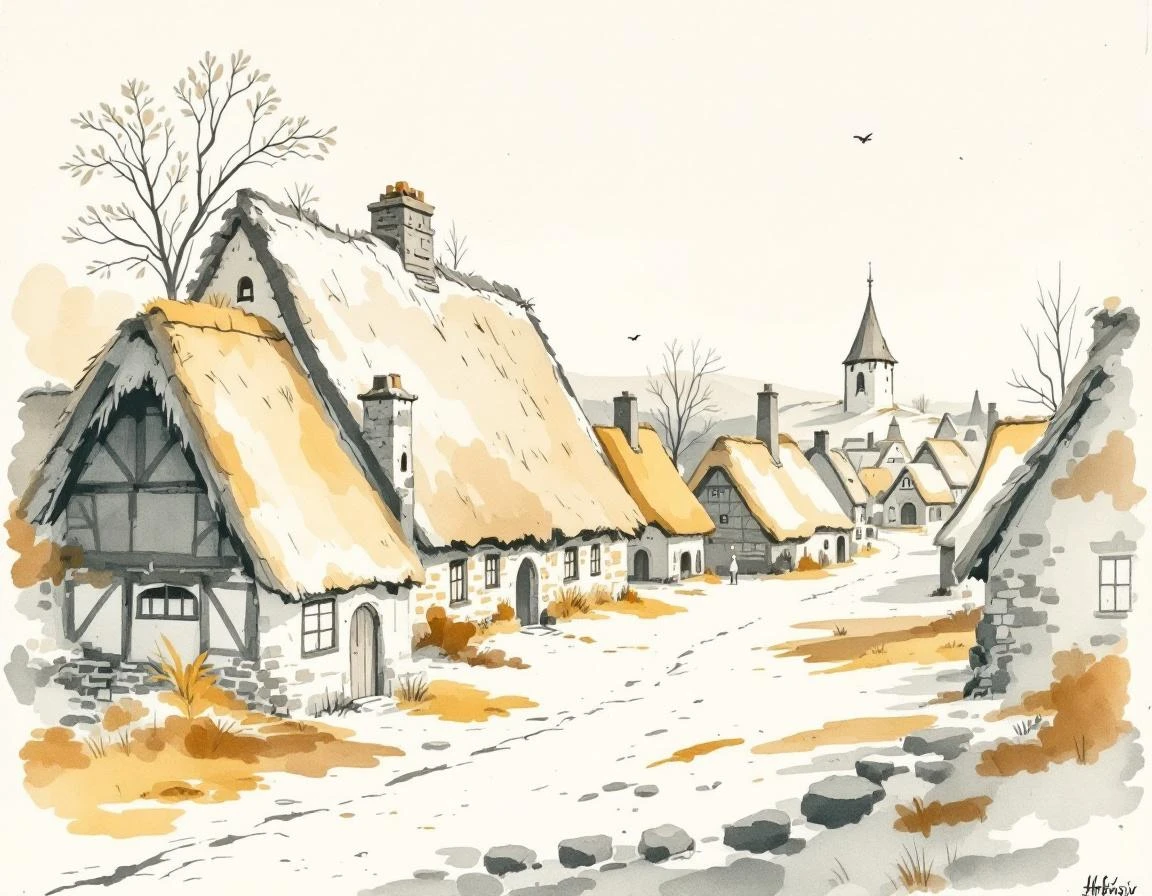
Viking town names need a firmer brief than "make it sound old" or "make it sound pretty." Start with fjords, Baltic ports, peatlands, fishing harbors, royal market towns, winter roads, thing sites, and saga farms. That gives the name a job before it has a style. A harbor town, fishing village, royal borough, mining town, island parish, thing site, or winter camp has to be legible to the people who use it every day, and it may also carry an official spelling from an outsider, government office, priest, surveyor, company, or later translator. Strong names show a small bruise from use: a clipped ending, a stubborn local form, or a translation that never quite replaced the older word.
Start with the Shore
For this page, northern geography should lead. Ask where the settlement gets fresh water, where the boat landing sits, what people carry to market, which fjord, ridge, skerry, or winter road everyone uses as a reference point, and what part of the place outsiders notice too quickly. If the name could move to a generic medieval town without changing, it is probably too smooth. A good Viking town name should make the map less abstract. It should hint at a harbor, thing site, farmstead, fishery, royal market, ford, burial ground, or coast people actually know how to cross.
Let People Wear the Name Down
The second question is social. Who says the name with comfort, and who says it wrong? A town can have an old name at home, a polished form on forms, a shortened version in the market, and an insult used by rivals. Do not rush to make those layers agree. The disagreement is often where the place starts to feel written by a person instead of assembled by a list. If the generator gives you several strong options, keep the one that tells you something about class, authority, migration, trade, faith, or fear.
Borrow Logic, Not Decoration
Use restraint with language. Old Norse, Danish, Swedish, Finnish, Sámi, Baltic German, and modern national languages are separate. Do not make every northern name sound like a raid. That does not mean every fictional name needs a footnote. It means the choice should avoid casual borrowing from a real culture when the story has not earned it. If the setting is invented, borrow naming logic rather than sacred words: how a community marks water, ancestry, border, danger, or craft. If the setting touches the real world, narrow the place and period before you trust the sound.
Test It in Dull Sentences
The final test is boring on purpose: put the name in plain prose. Write a weather notice, a road sign, a line from a tired local, and a sentence where someone has a reason to lie about the place. Names that only work in a title usually fail there. Names that survive the dull sentences are the ones worth keeping.
Viking Town Names: A Working Naming Guide
Viking town names should feel used, not arranged. Start with the settlement: fjord landing, Baltic port, peatland farm, fishing harbor, royal market town, winter road, thing site, island parish, or saga farm. Then decide the period and speaker, because Old Norse farm names, later church records, royal borough names, and modernized map forms do different work. The generator can give you a spread, but the name still has to work in a ship crew's directions, a market boast, a legal dispute at the thing, a priest's record, and a family story about who first settled the shore.
Who Gets to Name the Place
Pick the naming authority before choosing the syllables. Farmers, sailors, chieftains, traders, skalds, thing assemblies, priests, tax clerks, and later mapmakers will all leave different marks. A useful Viking town name reveals who carved the local word into memory and who later wrote it down differently. Read it in dialogue. If a fisher, trader, law-speaker, priest, and visiting raider would all use the same form, the place may be too clean.
Language Care Before Style
Old Norse, Danish, Swedish, Finnish, Sámi, Baltic German, and modern national languages are separate. Do not make every northern name sound like a raid. This is where generated names often go wrong. They borrow surface sound while ignoring who owns the language, whether the place is real, and what history the word may touch. Fiction gives room to invent, but real cultural reference needs a specific region and period. For a secondary world, adapt naming logic from farmstead, water, assembly, harbor, lineage, and winter route rather than borrowing living place names casually.
The Work Inside the Name
Give the settlement its work inside the name. Maybe people came for fishing, grazing, a ship landing, a thing site, amber trade, iron, winter shelter, a royal market, or a farmstead tied to one family. Let that practical reason roughen the result. A good name can hold an official story and a private one at the same time: the farm name, harbor shorthand, saga form, church spelling, or insult used by the next fjord over.
The Scene Test
Before keeping a result, run it through a small scene. Put it in a sailing direction, market argument, legal claim, church note, winter warning, and the mouth of someone who left before the thaw. The winner should promise something concrete about shore, farm, trade, assembly, faith, danger, or memory. It should also leave room for later speakers to shorten it, Christianize it, translate it badly, or preserve an older form in a saga.