
Universal Town Name Generator
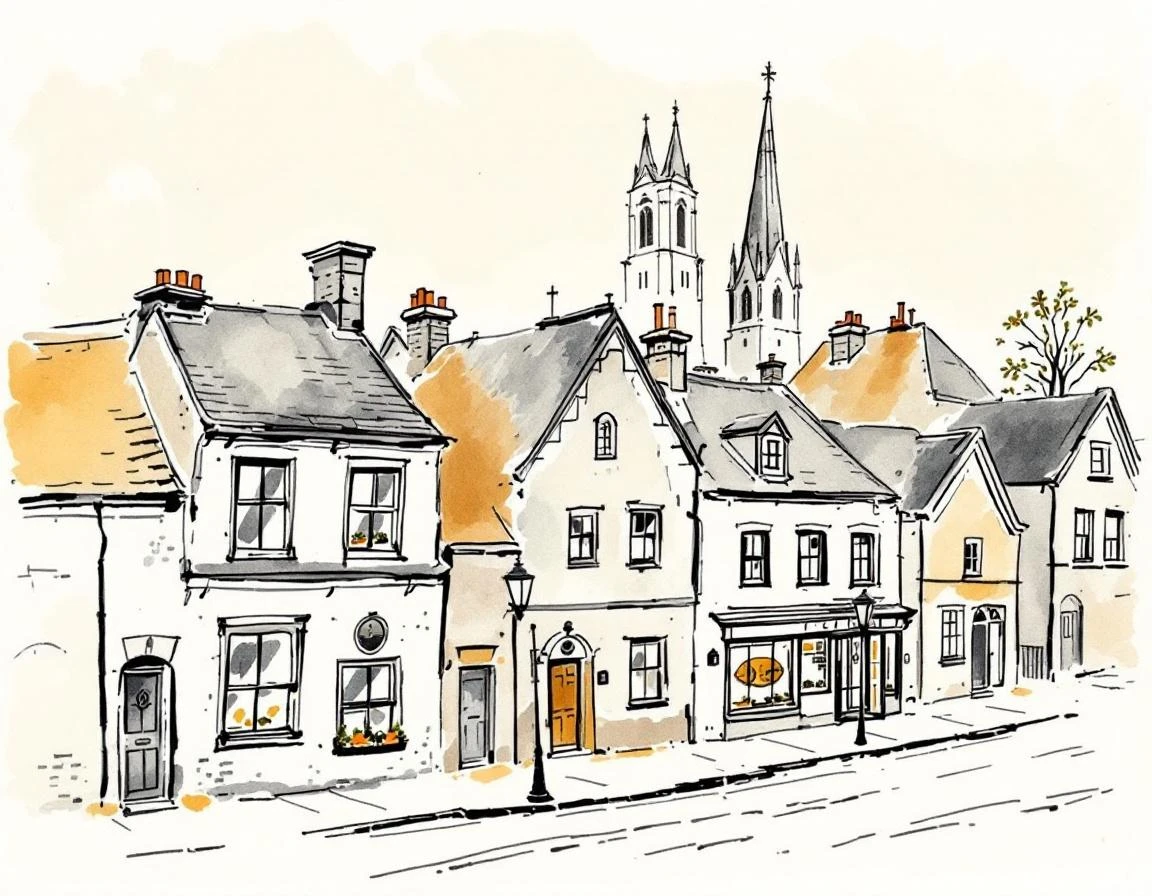
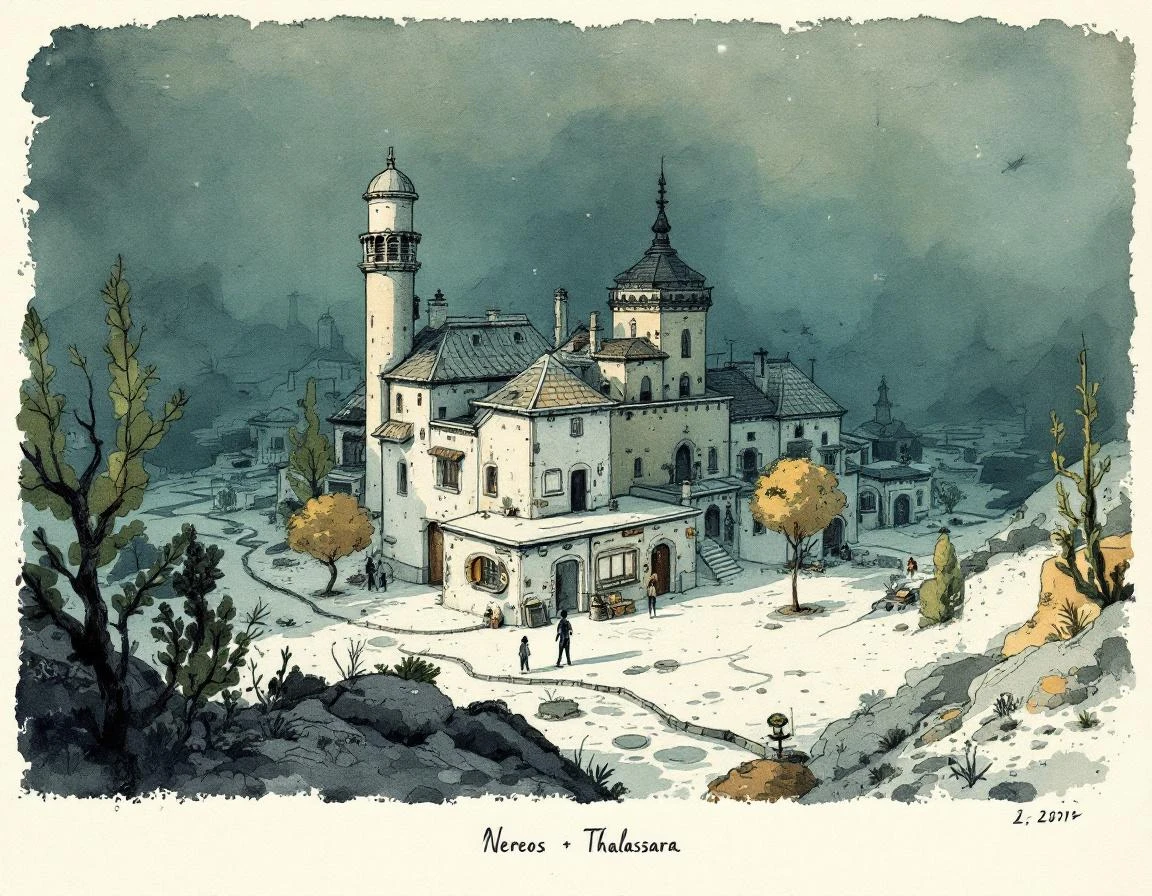
Drop a setting into the generator and it returns names that work across fantasy villages, frontier towns, and secondary-world city-states without forcing you to decide the genre first. The names are built to carry interpretation. A place called Vethmark could be a Norse-inflected fishing settlement or a half-remembered ruin in a secondary world. Dunhollow could belong to a Hardyesque English countryside or a dark fantasy moor. You bring the context; the name holds its shape. Useful when you need a settlement name quickly, or when you want a pool of options to audition against a map.
Cross-Cultural Adaptability
Naming a fictional town is harder than it looks. Get the sounds wrong and readers sense it immediately, even if they can't say why: a name that belongs to medieval France has no business appearing in a steppe fantasy, and vice versa. The generator draws on phonetic and morphological patterns from dozens of linguistic traditions: how syllables cluster in Bantu languages, where stress falls in Romance roots, what consonant combinations feel native to Germanic or Semitic structures. The result is a name that can sit plausibly inside a specific cultural setting rather than floating above it in the vague, placeless register that marks so much invented geography. Nothing guarantees authenticity. Starting from real structural patterns rather than random syllables gives your invented places a better chance of feeling like somewhere.
Historical Flexibility
Naming conventions shifted with the societies that coined them. Anglo-Saxon settlements clustered around *-ton*, *-ham*, and *-wick* suffixes tied to land use and ownership. Medieval French towns borrowed from Latin ecclesiastical registers or commemorated local saints. Company towns of the Victorian industrial north favored founders' surnames or raw geographic description. Each era left a distinct phonetic and morphological residue in its place names. The generator draws on those patterns to produce names that read as period-appropriate rather than generic. A name for a Bronze Age hill fort sounds different from one for a Renaissance trading post or a twentieth-century planned suburb: different consonant clusters, different suffix logic, different implied relationship between the settlement and the landscape around it. Feed the generator a historical context and it works within those constraints rather than defaulting to a single fantasy-medieval mode.
Genre-Spanning Versatility
Whether you're writing contemporary realism, high fantasy, science fiction, horror, or historical fiction, the generator produces names that do not announce their genre. A name like Veldmere or Ashcroft could belong to a dying mill town in a Raymond Carver story, a cursed settlement in Algernon Blackwood territory, or a colony outpost in a far-future novel. That ambiguity is the point. The names avoid obvious etymological tells: no *-heim* suffixes that scream Norse pastiche, no apostrophes signaling generic fantasy. They sit in a middle register that lets the surrounding prose do the genre work, which is useful if you write across multiple genres or are building something that does not fit cleanly into one.
Universal Town Names: A Working Naming Guide
Universal town names should feel used, not arranged. Start with the ground: river crossing, market square, farm road, mine, port, border, suburb, planned district, hill fort, or older language layer. Then decide what sort of place is being named, because a village, borough, county seat, market center, company town, shrine town, or planned community needs a different kind of word than a capital or a ruin. The generator can give you a spread, but the choice still has to work in directions, records, market speech, school registers, shipping labels, and a sentence where someone says the old version out of habit.
Who Gets to Name the Place
Pick the naming authority before choosing the syllables. Locals, tax offices, sailors, priests, elders, guild clerks, surveyors, rebels, developers, and company lawyers all leave different marks. A useful town name reveals who wrote the sign and who kept saying the older word anyway. Read the name in dialogue. If every character would pronounce it the same way, the place may be too clean.
Language Care Before Style
Pick a language, period, and naming authority before choosing. A local name, office name, tourist name, and enemy name do different work. This is where many generated names go wrong. They borrow surface sound while ignoring who owns the language, whether the place is real, and what history the word may touch. Fiction gives you room to invent, but it does not make every source available for casual decoration. If you need a real cultural reference, narrow it to a specific region and period. If you are making a secondary world, decide what parts of the naming logic you are adapting and what parts you are leaving alone.
The Work Inside the Name
The town needs work inside it. Maybe people came for a ferry, a mine, a shrine, pasture, a school, a harbor, a wall, or a road that cut through older country. Maybe they stayed because leaving cost too much. Let that practical reason roughen the name. A good result can hold an official story and a private one at the same time: the polished name on the station board, the clipped version in a market, the older name used at home, the insult outsiders keep repeating. That layered feel matters more than a rare letter combination.
The Scene Test
Before keeping a result, run it through a small scene. Put it on a weather report, grandmother's warning, shipping crate, bus route, school form, and the mouth of someone who wants the place forgotten. The winner should promise something concrete about geography, class, danger, faith, trade, work, or memory. It should also leave room for later speakers to shorten it, mistranslate it, repaint it, revive it, sell it, or curse it because they left.