
Goblin Town Names: Settlements for Goblin Characters and Fantasy Worldbuilding
Generate goblin settlement names for fantasy worldbuilding: the warren-cities under the mountains, the ramshackle market towns, the improvised settlements that goblins insist are perfectly fine, actually.
Goblins in Fantasy Tradition
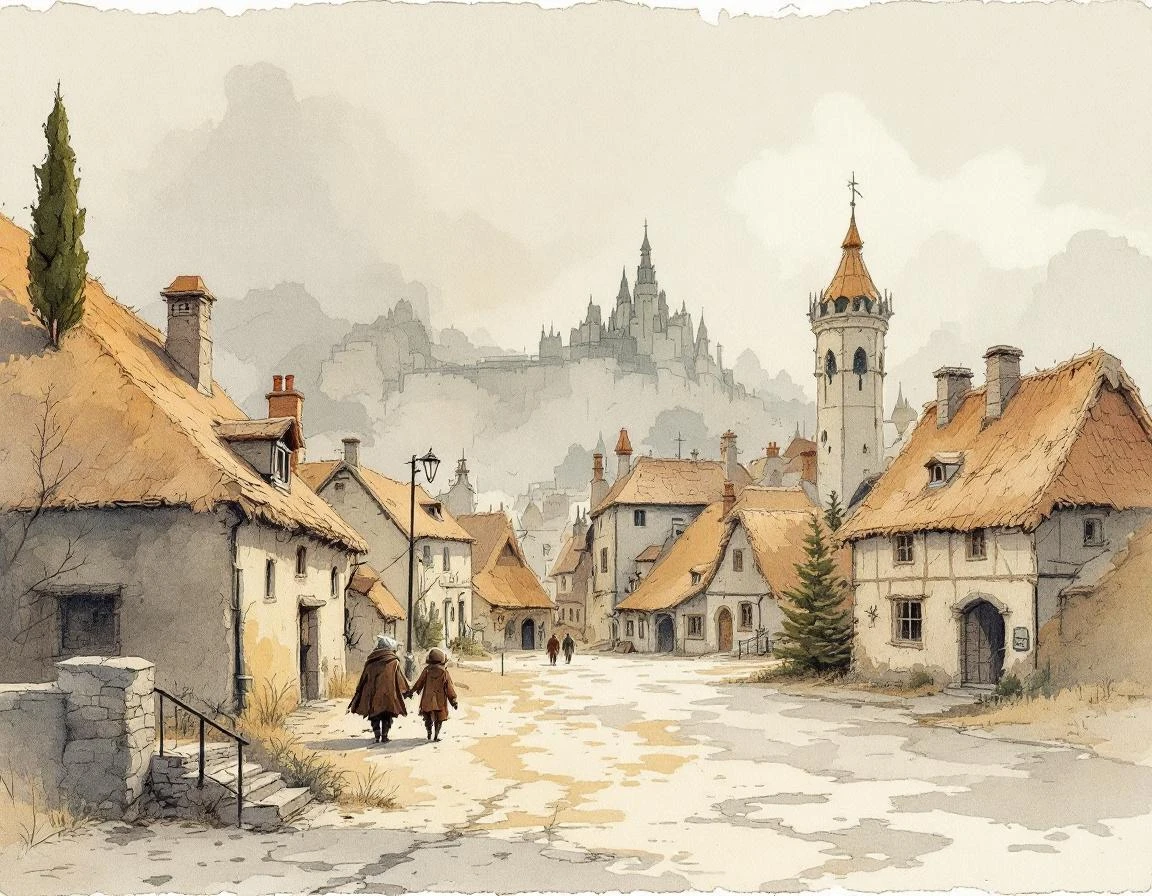
Fantasy goblins occupy a specific ecological niche: not the primary villain (that's usually orcs or some greater evil) but the annoying, dangerous, and surprisingly numerous lesser threat. Tolkien's goblins (the word he uses for orcs in *The Hobbit*) live in the Misty Mountains in vast underground warrens. The Goblin-town of *The Hobbit* is specifically a mountain fastness with a Great Goblin king, torture rooms, and a population of thousands. This establishes the goblin-underground-city template. D&D goblins are smaller, individually weaker, tribally organized, and often comic in their incompetence at heroic pursuit while remaining genuinely dangerous in the aggregate. Their settlements are either underground (caves, mines) or surface - ramshackle collections of stolen and improvised structures. The ramshackle town is the more interesting setting. It implies a goblin culture that is trying to do the things the other species do, by goblins, in goblin ways, which is to say chaotically and with occasional brilliance. The sympathetic goblin tradition, from Magic: The Gathering's goblin flavor text to beloved goblin barbarian characters in actual-play games, has expanded the idea of goblin settlement from "enemy camp" to "distinct culture with its own logic." What does a goblin city look like when it's been planned, by goblins, to goblin specs, rather than improvised?
Goblin Settlement Naming
Goblin settlement names traditionally draw from an aggressive, crude phonological palette: hard consonants, short syllables, words that sound sharp and not entirely clean. "Skullgutt," "Crackmaw Hollow," "The Squealing Deep," "Filchmore": these signal goblin origin through phonology alone, before you even ask what lives there. But there is also a tradition of goblin names that reflect goblin *aspiration* rather than goblin aesthetics: goblins trying to have a great city and naming it grandly despite the results. "The Grand Bazaar of the Beltchpit Clan" is technically accurate, sounds impressive, and describes what is in practice a chaotic underground market where you will probably be pickpocketed. The comedy of the grand name against the modest reality is specifically goblin. Goblin geographic names tend to reference what goblins value: hiding, mobility, smells (goblins have a strong sense of smell in many traditions), and things that go wrong in spectacular ways. "Crashpoint," "Rottenhaven," "The Slick," "Scurryden": names that describe goblin experience of the world rather than goblin claims about it.
Using the Generator
For traditional fantasy settings where goblins are an enemy faction, settlement names should signal threat and unpleasantness: dark, harsh, close - the names of places you enter hoping to leave. For settings where goblins have a richer culture, names can carry the comedy of goblin aspiration alongside the reality of goblin capacity. A goblin city that takes itself seriously, and is not wrong to do so, makes a more interesting antagonist (or ally) than one that is simply chaotic. For comedy fantasy - the Pratchett tradition, the "goblins as misunderstood underdogs" genre - goblin town names can lean into the joke directly: names that are too literal, names that are trying too hard, names invented by goblins who had strong opinions about what made a good city name and were not entirely right.
Goblin Town Names: A Working Naming Guide
Goblin town names should feel used, not arranged. Start with cave markets, scrap yards, cliff warrens, stolen toll bridges, noisy alleys, and improvised forts. Then decide what sort of place is being named, because a warren, junk-built town, raider market, mine camp, bridge settlement, or chaotic city-state asks for a different kind of word than a capital or a ruin. The generator can give you a quick spread, but the choice still has to sound like someone could say it while giving directions, filing a complaint, selling scrap, dodging patrols, or pointing at a storm line. Keep a few candidates that disagree with each other. One may sound official but brittle; another may feel like a mapmaker cleaned it up too much. That friction is useful.
Who Gets to Name the Place
Pick the naming authority before you fall in love with the syllables. Local speakers borrow, brag, and shorten names in ways officials rarely predict. A tax office wants tidy spelling. A toll keeper wants speed. A boss, elder, guild clerk, surveyor, rebel, bridge guard, or company lawyer may all have a reason to push a different version. For goblin town names, the useful candidate usually reveals who got to write the sign and who kept saying the older word anyway. Read the name in a sentence of dialogue. If every character would pronounce it the same way, the place may be too clean.
Language Care Before Style
The name can be funny, but it should not be only funny. Let danger, practicality, affection, insult, and civic pride fight a little. This is where many generated names go wrong. They borrow surface sound while ignoring who owns the language, whether the place is real, and what history the word may touch. Fiction gives you room to invent, but it does not make every source available for casual decoration. If you need a real cultural reference, narrow it to a specific region and period. If you are making a secondary world, decide what parts of the naming logic you are adapting and what parts you are leaving alone.
The Work Inside the Name
The town needs work inside it. Maybe people came for a toll bridge, scrap yard, cave market, mine, stolen ferry, watch post, or alley that made hiding easier than leaving. Maybe they stayed because leaving cost too much. Let that practical reason roughen the name. A good result can hold an official story and a private one at the same time: the proud name on the gate, the clipped version in a market, the older name used at home, the insult outsiders keep repeating. That layered feel matters more than a rare letter combination.
The Scene Test
Before keeping a result, run it through a small scene. Put it on a stolen sign, in a toll keeper's threat, on a crate, and in the mouth of someone who wants the place forgotten. For goblin town names, the winner should make one concrete promise about geography, class, danger, trade, pride, or memory. It should also leave room for a writer to disagree with it later. Town names age. They get translated badly, painted over, shortened by children, revived by bosses, sold by developers, or cursed by people who left. Choose the one that can survive that kind of handling.