
Mage Tower Name Generator
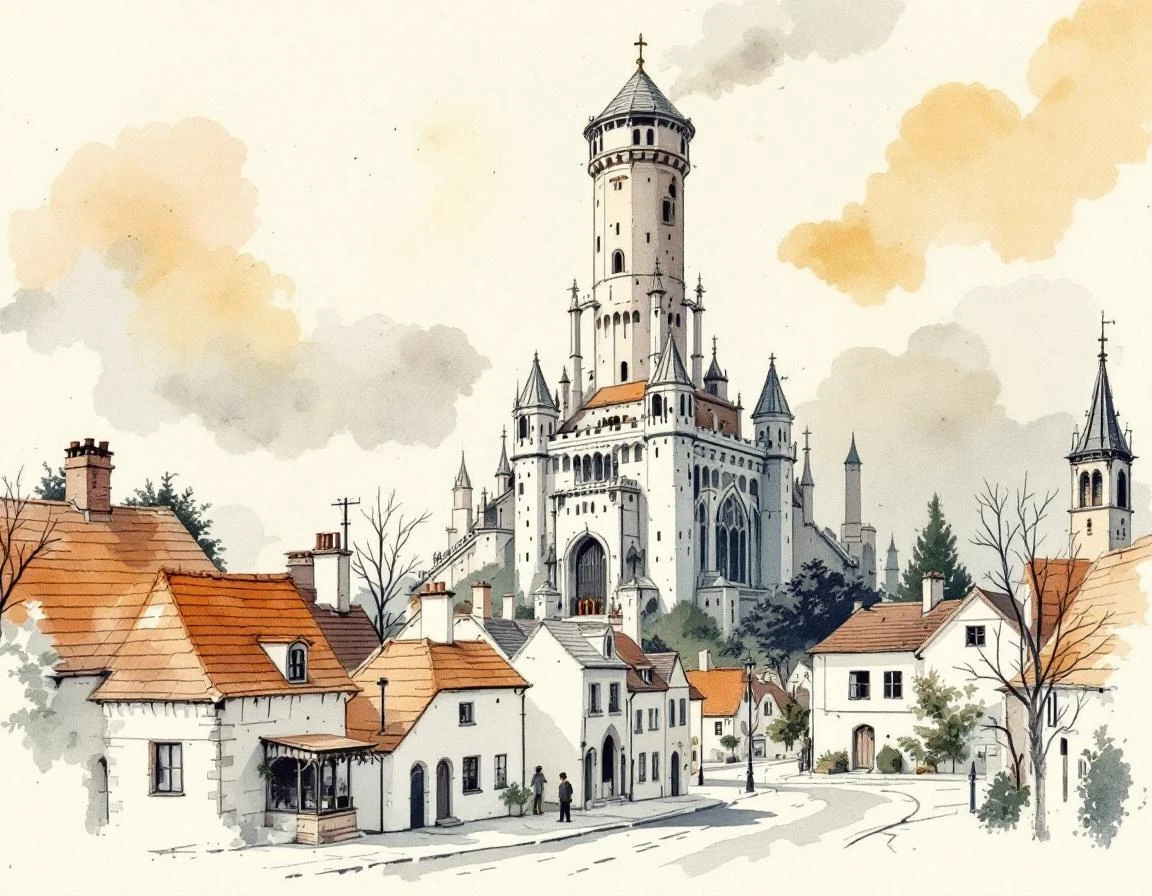
Mage towers accumulate names through use, reputation, and records kept by students, rivals, and neighbors. This generator draws on those patterns to produce names that feel earned rather than assembled: the kind a fictional world might have arrived at over centuries, not an afternoon. It handles a range of structures: the solitary refuge of a hedge wizard who wants to be left alone, the institutional weight of a formal academy, the height of an eldritch spire that predates the civilization around it. Each carries a different relationship to power and secrecy, and the names reflect that. Feed it the tradition, the age, the reputation. Take what it gives you as raw material.
Arcane Traditions
Mage tower names tend to reflect the magical tradition housed inside. A tower devoted to divination reads differently than one built around storm-calling or necromantic research; the name usually signals which. Many carry references to founding archmages, ancient orders, or the elemental affinities that define the school's practice: frost, flame, the slow mysteries of the void. The generator draws on these conventions to produce names with internal logic. A tower name that fits its tradition makes the building feel like part of a working magical system rather than a prop placed on the map to mark "wizard lives here."
Architectural Meaning
Mage tower names tend to announce what makes a structure strange. The material matters: crystal and obsidian carry different implications than living wood or bone. So does behavior. A tower that floats, phase-shifts, or repairs its own walls is named for that, because the name is also a warning and an invitation. Astronomical references appear constantly, partly because towers were built for observation, partly because certain alignments actually do something to the magic worked inside them. Geometry carries weight too: spirals, heptagons, and other forms with numerological meaning show up in names the way a patron saint's name shows up on a church. This generator draws on those traditions to produce names that suggest a specific architectural fact rather than a vague sense of mystical grandeur.
Mystical Purpose
Mage tower names tend to announce function. A tower called the Obsidian Lens tells you something different than one called the Pale Warden or the Threshold of Yoth: the name signals what the structure does, who built it, and what it costs to approach. Some names point inward: observatory, reliquary, the kind of word that implies a collection or a purpose turned toward study. Others face outward, such as bulwark, ward, or sanctum, suggesting the tower exists to hold something back. A third category sits at the edges of the world's cosmology: names that reference ley confluences, planar thresholds, or the specific arcane geography a builder chose to exploit. Towers raised over a convergence of power lines don't just use that energy; they're named for it, the way a mill is named for the river that drives it. The generator works from these distinctions. Each name it produces is meant to imply a role: more than a grand structure, a structure with a specific function in how magic moves through your world.
Mage Tower Names: A Working Naming Guide
A mage tower name should feel used, not arranged. Start with old abbeys, island campuses, crooked alleys, cliff laboratories, observatories, sealed archives, and guild storefronts. Then decide what sort of place is being named, because an academy, college, tower, observatory, shop, charm stall, archive, or licensed market booth asks for a different kind of word than a capital or a ruin. The generator can give you a quick spread, but the choice still has to sound like someone could say it while giving directions, filing a guild complaint, delivering a ward notice, dodging patrols, or pointing at a storm line. Keep a few candidates that disagree with each other. One may sound local before it sounds pretty; another may feel like a mapmaker cleaned it up too much. That friction is useful.
Who Gets to Name the Tower
Pick the naming authority before you fall in love with the syllables. Apprentices, neighbors, rivals, and clerks mispronounce names in ways founders rarely predict. A tax office wants tidy spelling. A ward keeper wants precision. A headmaster, hedge wizard, guild clerk, surveyor, rebel, or royal censor may all have a reason to push a different version. For mage tower names, the useful candidate usually reveals who got to write the sign and who kept saying the older word anyway. Read the name in a sentence of dialogue. If every character would pronounce it the same way, the tower may be too clean.
Language Care Before Style
Magic names should reveal practice, risk, class, and reputation. A folk counter, royal academy, and illegal relic room need different voices. This is where many generated names go wrong. They borrow surface sound while ignoring who owns the language, whether the place is real, and what history the word may touch. Fiction gives you room to invent, but it does not make every source available for casual decoration. If you need a real cultural reference, narrow it to a specific region and period. If you are making a secondary world, decide what parts of the naming logic you are adapting and what parts you are leaving alone.
The Work Inside the Name
The tower needs work inside it. Maybe people came for an observatory, warded stair, sealed library, ley line, royal charter, forbidden experiment, relic room, or storm lens that made the height useful. Maybe they stayed because leaving cost too much. Let that practical reason roughen the name. A good result can hold an official story and a private one at the same time: the polished name on the gate, the clipped version in a market, the older name used by students, the warning neighbors keep repeating. That layered feel matters more than a rare letter combination.
The Scene Test
Before keeping a result, run it through a small scene. Put it on an apprentice's directions, in a ward notice, on a reagent invoice, and in the mouth of someone who wants the tower forgotten. For mage tower names, the winner should make one concrete promise about practice, danger, class, secrecy, architecture, or memory. It should also leave room for a writer to disagree with it later. Tower names age. They get translated badly, painted over, shortened by students, revived by orders, sold by landlords, or cursed by people who left. Choose the one that can survive that kind of handling.