
Halfling Town Names: The Shire and Beyond
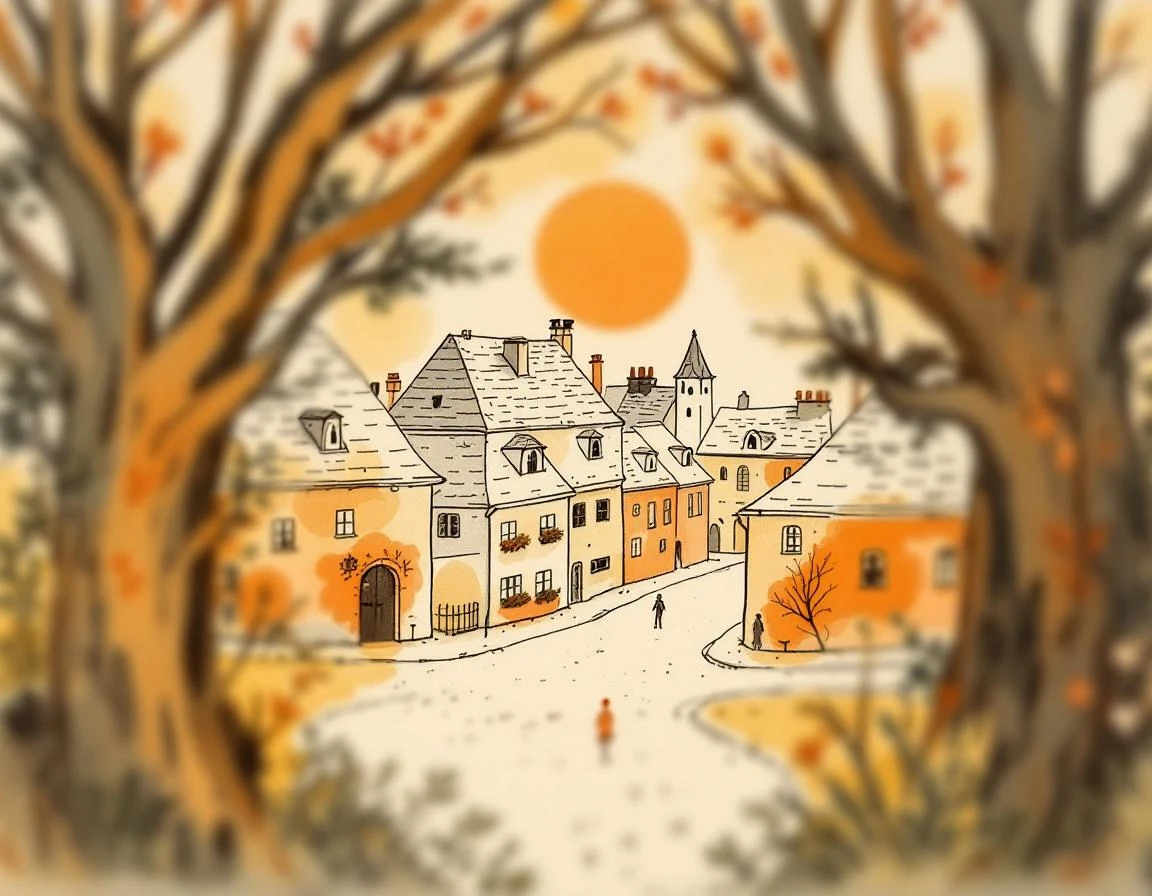
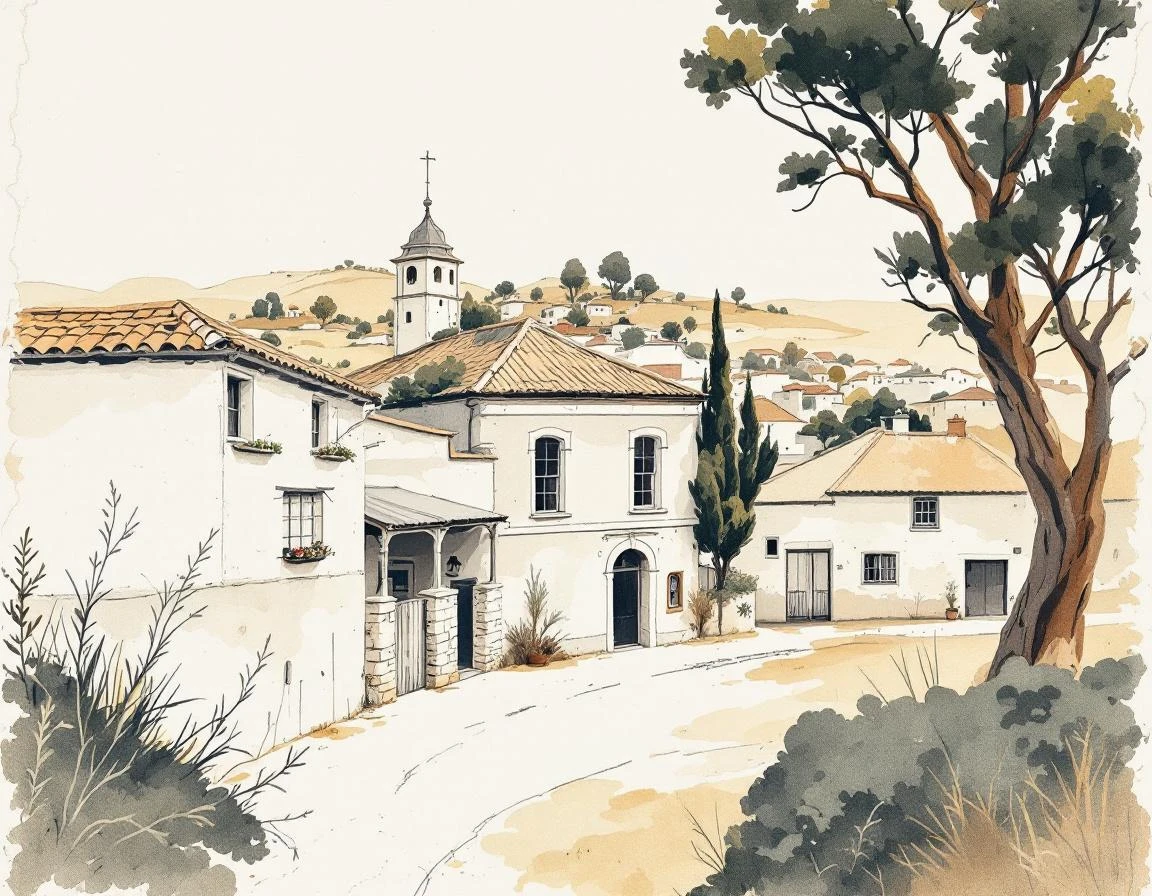
Halfling settlements tend to name themselves after what matters: a good mill, a reliable ford, a particular slope where the barley comes in thick every autumn. Tolkien's Shire names work because they're grounded in exactly that logic: Hobbiton, Bywater, Tuckborough all sound like places someone actually chose to stay in, not places that sound impressive on a map. Use this generator for the comfortable agricultural communities, the crossroads trading villages, and anything else that captures the halfling sense of what makes a place worth living in.
Halfling Towns and Their Values
Halfling settlements are organized around comfort, then everything else. This is not shallowness. The halfling conviction that good food, good company, and safe homes are worth protecting is precisely what makes halfling characters capable of heroism: they know what they are fighting for in a way that more martial characters often do not. Naming conventions descend from Tolkien's Shire, specifically the English rural toponym tradition applied to a community of small, comfortable people. *-ton* (town/settlement, from Old English *tun*), *-dale* (valley), *-wick* (farm or settlement), *-ford* (river crossing), *-holm* (island or riverside flat), *-bottom* (valley bottom, entirely appropriate for halfling geography), *-hurst* (wooded hill), *-mead* (meadow). These produce Harrowton, Maplefold, Clovermead, Brownhollow, Bramblehurst. Halfling settlement geography favors south-facing hillsides for burrow-homes, proximity to good agricultural land (halflings farm seriously and eat accordingly), access to water, and a position on a trade route (halflings are serious traders when the opportunity presents itself). The typical halfling town sits at the intersection of all four, which is why halfling towns tend to occupy particularly pleasant spots that larger peoples have always coveted.
The Social World of a Halfling Town
The half-dozen social institutions that define a halfling town: the inn (central to all social life - this is where traveling merchants stay, where news travels, where local debates get conducted, and where the occasional adventurer causes disruption); the market (weekly or seasonal, the site of agricultural surplus trade); the mill (if a suitable waterway exists); the Old Families' houses (the established clans who have been there longest and have opinions about everything); and the Gathering (whatever the local term is for the community meeting that makes collective decisions). Halfling politics is famously local and intense: the fence-line dispute that runs for three generations, the question of which family gets the orchard plot, the controversy about the road's condition that never quite gets resolved. The shire-scale drama Tolkien depicts - Lobelia Sackville-Baggins wanting Bag End - is the halfling political tradition in miniature: entirely genuine stakes conducted at the scale of what actually matters to people. The halfling town's relationship to the outside world: trade yes, adventurers sometimes (good for the inn business, and they occasionally leave interesting things behind), outside politics reluctantly, military involvement almost never until the outside world makes it unavoidable.
Using the Generator
For Tolkien-adjacent fantasy, halfling town names should draw directly from the English rural toponym tradition - the same conventions Tolkien used for the Shire. Think Burrow, Combe, Stock, Whitfurrows: names that sound like they could appear on an Ordnance Survey map of Somerset or the Cotswolds, just slightly worn down by hobbit mouths. For more generic fantasy settings where halflings have broader cultural lives - river traders, nomadic caravan communities, urban neighborhoods tucked inside human cities - naming conventions can expand while keeping that domestic quality. The names should still feel lived-in, not invented. For stories set inside halfling communities (the hobbit perspective Tolkien pioneered in *The Hobbit* and deepened in *The Fellowship of the Ring*), the town is a character. Its social hierarchies, its particular landscape, its specific institutions - the mill, the inn, the family with the embarrassing relative - form the entire world the protagonist knows. Whether she leaves it or spends the whole story trying to get back, the town has to feel like somewhere real enough to miss.
Halfling Town Names: A Working Naming Guide
Halfling town names should feel used, not arranged. Start with river meadows, orchard lanes, mill ponds, market greens, burrow rows, and ferry villages. Then decide what sort of place is being named, because a shire village, orchard town, mill hamlet, ferry borough, market green, or farming settlement asks for a different kind of word than a capital or a ruin. The generator can give you a quick spread, but the choice still has to sound like someone could say it while giving directions, filing a complaint, selling grain, settling a lane dispute, or pointing at a storm line. Keep a few candidates that disagree with each other. One may sound local before it sounds pretty; another may feel like a mapmaker cleaned it up too much. That friction is useful.
Who Gets to Name the Place
Pick the naming authority before you fall in love with the syllables. Local speakers mispronounce, preserve, and soften names in ways officials rarely predict. A tax office wants tidy spelling. A miller wants speed. A priest, elder, guild clerk, surveyor, farmer, or family solicitor may all have a reason to push a different version. For halfling town names, the useful candidate usually reveals who got to write the sign and who kept saying the older word anyway. Read the name in a sentence of dialogue. If every character would pronounce it the same way, the place may be too clean.
Language Care Before Style
Warmth is useful, but inheritance fights, road rights, harvest rituals, and neighborly grudges belong in the naming too. This is where many generated names go wrong. They borrow surface sound while ignoring who owns the language, whether the place is real, and what history the word may touch. Fiction gives you room to invent, but it does not make every source available for casual decoration. If you need a real cultural reference, narrow it to a specific region and period. If you are making a secondary world, decide what parts of the naming logic you are adapting and what parts you are leaving alone.
The Work Inside the Name
The town needs work inside it. Maybe people came for a ferry, mill, orchard, market green, pasture, lane, bridge, or good slope where barley grew thick. Maybe they stayed because leaving cost too much. Let that practical reason roughen the name. A good result can hold an official story and a private one at the same time: the polished name on the road sign, the clipped version in a market, the older name used at home, the joke outsiders keep repeating. That layered feel matters more than a rare letter combination.
The Scene Test
Before keeping a result, run it through a small scene. Put it on a harvest notice, in a grandmother's warning, on a flour sack, and in the mouth of someone who wants the place forgotten. For halfling town names, the winner should make one concrete promise about food, water, road rights, family, comfort, danger, or memory. It should also leave room for a writer to disagree with it later. Town names age. They get translated badly, painted over, shortened by children, revived by families, sold by developers, or cursed by people who left. Choose the one that can survive that kind of handling.