

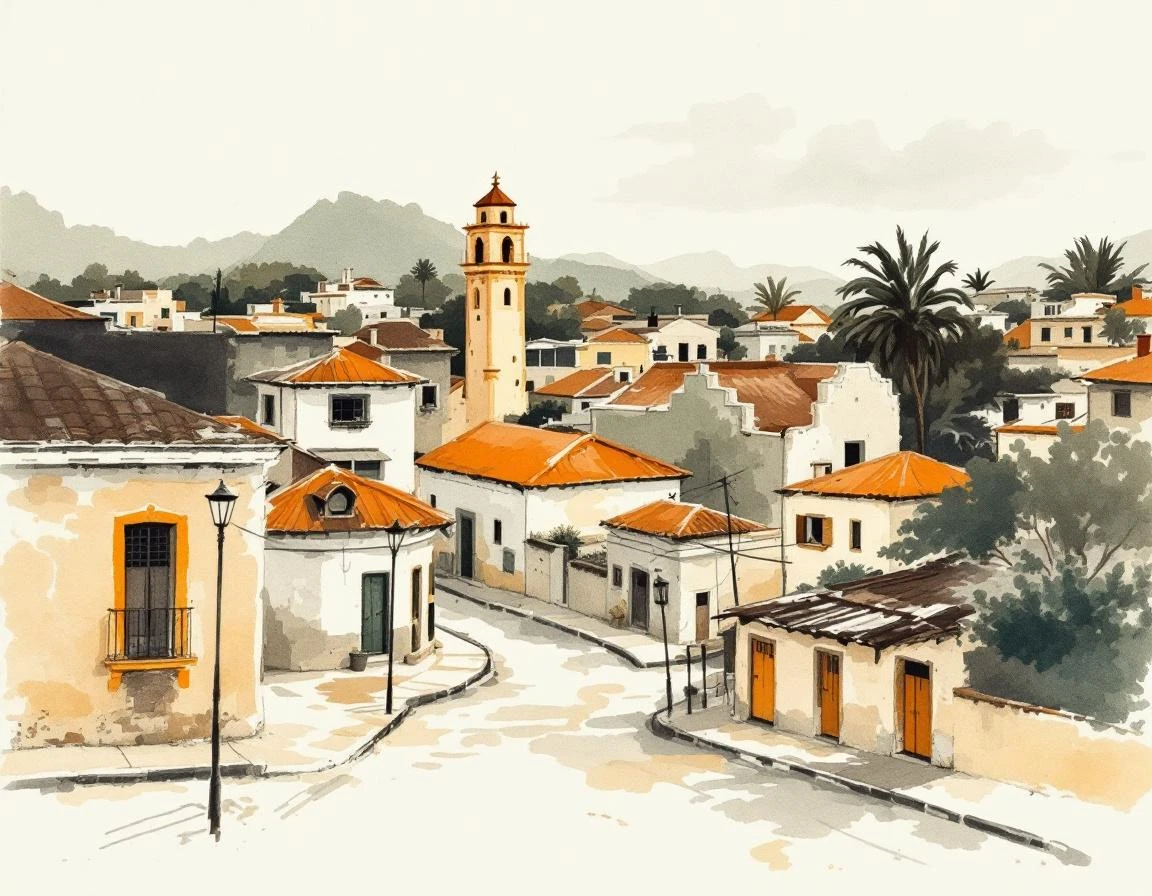
Kingdom Name Generator
Name a kingdom badly and readers notice before they can say why. The name feels thin, or borrowed, or like it was assembled from parts. This generator draws on the phonological patterns of historical polities: the clipped consonants of Anglo-Saxon kingdoms, the Latinate endings that carried Roman administrative weight, the vowel-heavy resonance of Celtic territories. The result should feel as if it gathered meaning over centuries rather than being coined on the spot. Use it for any scale of sovereignty: a petty kingdom squeezed between rivers, a continent-spanning empire with a name worn smooth by a thousand years of use, a magical territory whose name carries the sound of what it does to those who enter it. The results give you a textured starting point you can sand down or rough up to fit your world.
Royal Lineages
Kingdom names tend to come from somewhere specific: a founding dynasty, a tribal people who settled the land, or a ruler whose authority was absolute enough to stamp their name on the whole territory. The Franks gave Francia its name; Lancaster and York distinguished competing branches of the Plantagenet line during the Wars of the Roses. Terms like *realm* or *dominion* in a kingdom's name usually signal something about how power was understood there - personal, hereditary, unchallengeable. The generator works with these patterns to produce names that carry a sense of dynastic history. The goal is a name that implies a ruling tradition, more than a place.
Geographic Foundations
Kingdoms tend to take their names from what made them legible to the people who lived in them: a river that marked the border, a forest that supplied timber and game, a coastal position that defined trade. *Northumbria* is the obvious example: land north of the Humber, named by people who needed to distinguish it from the land south of the Humber. Smaller polities often borrowed the name of a fortified town, because the town was where power concentrated and where outsiders went when they needed to find it. The generator works from this logic. Names carry geographic specificity: terrain, resource, position, so that the kingdom feels grounded in a particular landscape rather than assembled from the general stock of fantasy nomenclature.
Cultural Identity
Kingdom names tend to carry the weight of what a people believe about themselves: their founding myths, their gods, the land they came from or the one they're still trying to deserve. A name like "Valdris" implies something different from "Solenmere": different tongue, different theology, different relationship to power. Compound names often signal conquest or uneasy union, the kind of political marriage where both halves still remember what they were before. The generator works from these patterns. It produces names that suggest a cultural logic, something a reader can intuit even without a glossary.
Kingdom Names: A Working Naming Guide
A kingdom name should feel used, not arranged. Start with dynasties, frontier villages, walled markets, river fords, castles, borders, court roads, and contested maps. Then decide what sort of power is being named, because a petty kingdom, border realm, conquered province, courtland, elective monarchy, empire, or sacred territory asks for a different kind of word than a capital or a ruin. The generator can give you a quick spread, but the choice still has to sound like someone could say it in a coronation oath, tax complaint, border warning, rebel song, or treaty clause. Keep a few candidates that disagree with each other. One may sound tired from use; another may feel like a court scribe cleaned it up too much. That friction is useful.
Who Gets to Name the Realm
Pick the naming authority before you fall in love with the syllables. Royal scribes, border families, priests, merchants, and rebels shorten names in ways official charters rarely predict. A tax office wants tidy spelling. A herald wants rhythm. A founder, conquered people, guild clerk, surveyor, claimant, or treaty lawyer may all have a reason to push a different version. For kingdom names, the useful candidate usually reveals who got to write the charter and who kept saying the older word anyway. Read the name in a sentence of dialogue. If every character would pronounce it the same way, the realm may be too clean.
Language Care Before Style
Fantasy names need an economy and a speaker. A farmer, herald, tax clerk, and bard will not name the same place the same way. This is where many generated names go wrong. They borrow surface sound while ignoring who owns the language, whether the place is real, and what history the word may touch. Fiction gives you room to invent, but it does not make every source available for casual decoration. If you need a real cultural reference, narrow it to a specific region and period. If you are making a secondary world, decide what parts of the naming logic you are adapting and what parts you are leaving alone.
The Work Inside the Name
The realm needs work inside it. Maybe the name carries a dynasty, river border, capital, frontier fort, sacred oath, conquest, trade road, or law code that made the territory legible. Maybe people stayed because leaving cost too much. Let that practical reason roughen the name. A good result can hold an official story and a private one at the same time: the polished name in a charter, the clipped version in a market, the older word used at home, the insult enemies keep repeating. That layered feel matters more than a rare letter combination.
The Scene Test
Before keeping a result, run it through a small scene. Put it in a coronation charter, in a grandmother's warning, on a tax seal, and in the mouth of someone who wants the realm forgotten. For kingdom names, the winner should make one concrete promise about geography, power, danger, faith, trade, law, or memory. It should also leave room for a writer to disagree with it later. Realm names age. They get translated badly, painted over, shortened by children, revived by claimants, sold by diplomats, or cursed by people who left. Choose the one that can survive that kind of handling.