
Gnome Town Names: Fantasy Settlements for Gnome Communities
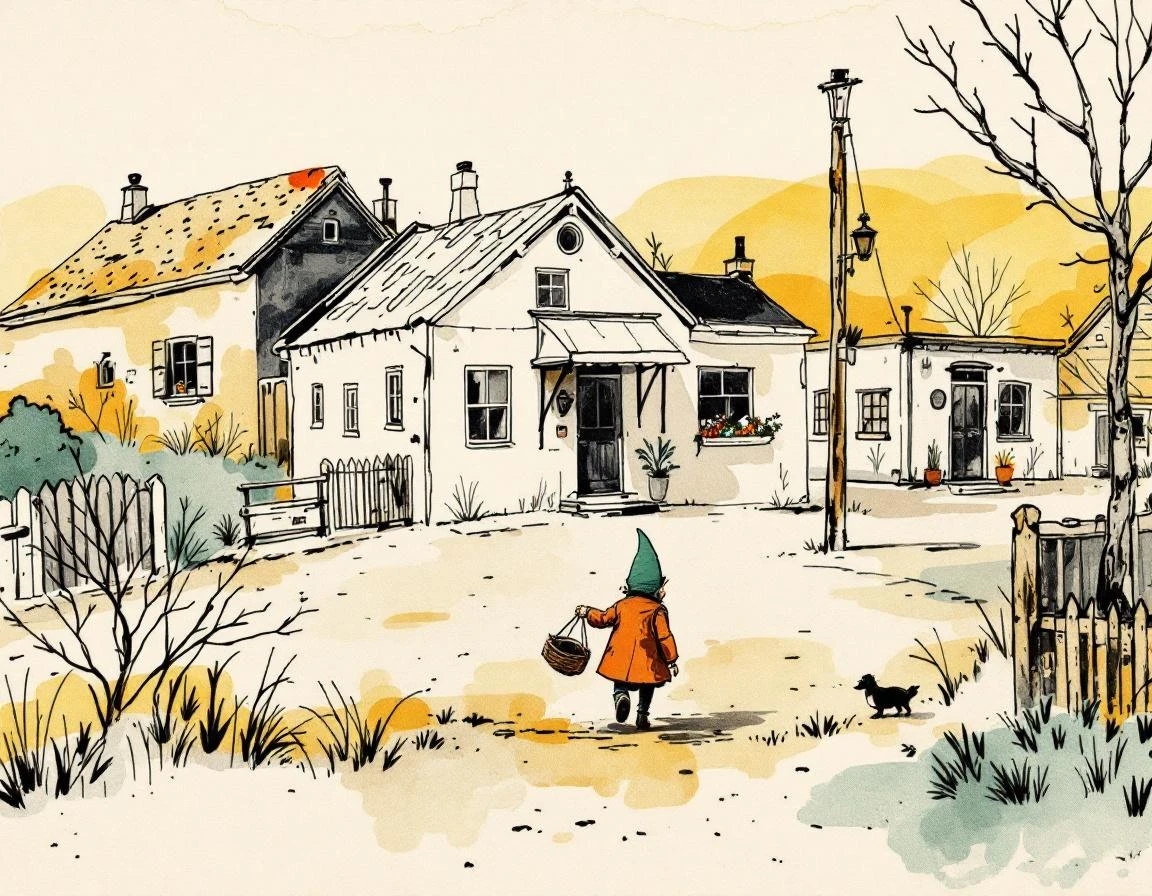
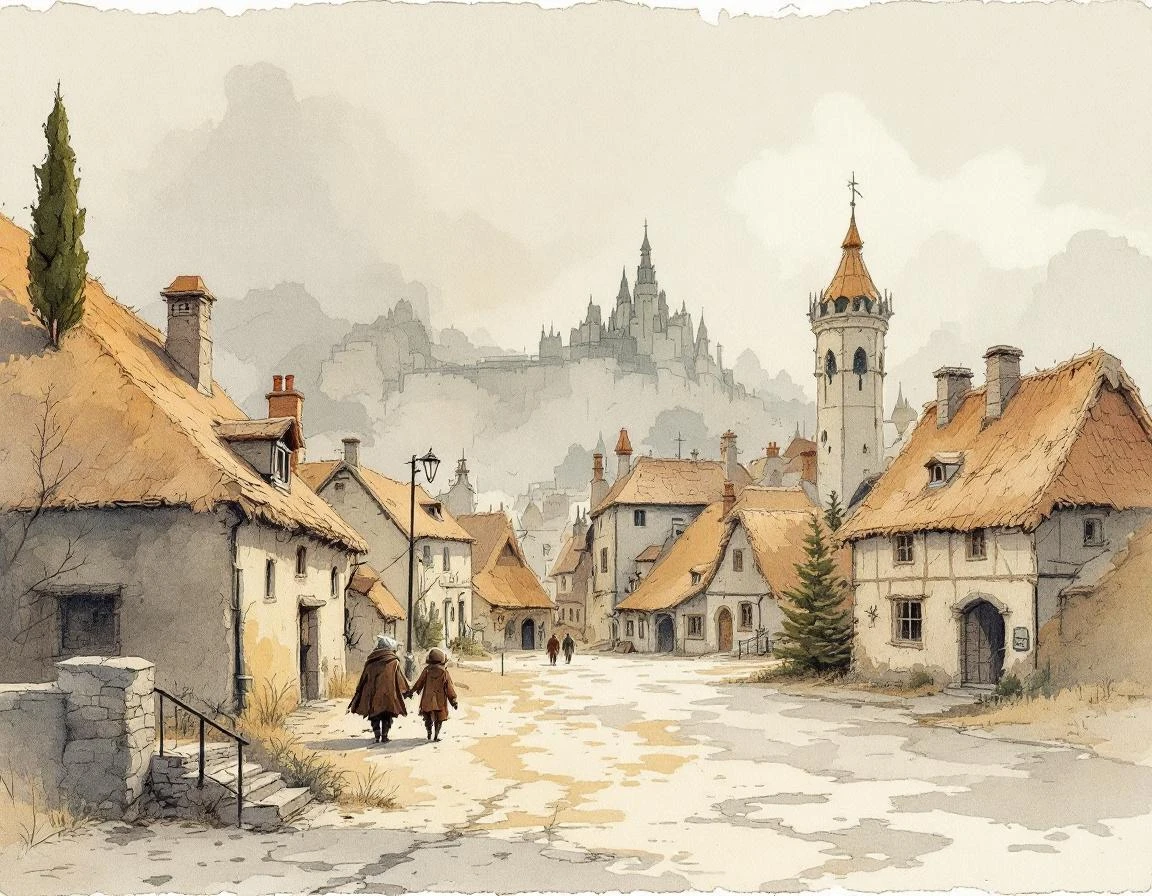
Gnome settlements tend to be named for what they do: a workshop district, a burrow dug into chalk hills, a compound built around a particular obsession. These generators pull from that logic: names shaped by craft, by the specific materials a community works with, by whatever problem the founders were trying to solve when they first broke ground. You'll find names suited to underground warrens lit by bioluminescent fungus, to hillside towns where every roof hides a wind-measurement device, to inventor's compounds where the streets follow the layout of a half-finished schematic. The underlying assumption is that gnome communities name themselves the way gnome craftspeople label their tools: functionally, specifically, with just enough pride in the work.
What Gnome Towns Are
Gnome towns in fantasy tradition run on intellectual energy. Everything else follows from that. Whether the conception is the gentle craftsperson in the hill, the Tolkienesque tradition closest to the garden gnome archetype, or the frenetic tinkerer-inventor of D&D and Warcraft, the settlement reflects the gnome's central characteristic: curiosity organized into production. Gnome settlements use space cleverly in three dimensions rather than sprawling outward. Underground halls, clockwork-assisted structures, water-wheel-powered mechanisms, complicated systems of pulleys and counterweights: the gnome town is engineered as much as built. The engineering shows in the names. Cogmill, Springwick, Gearholt, Tinkerton. Gnome community organization mirrors the gnome work ethic: guilds of craftspeople, workshops sorted by specialty, a social hierarchy that tracks expertise and innovation over lineage. Most gnome fantasy traditions work this way, though some have aristocracies of intellect, which is either the same thing or completely different depending on how cynical the worldbuilding is.
Gnome Town Naming Conventions
Gnome settlement names in fantasy tend to follow the compound-word tradition: two meaningful elements describing the settlement's character or location. *-haven* (safe place), *-wick* (dwelling/village), *-hollow* (sheltered depression, ideal for building upward from), *-stead* (place), *-forge* (place of making), and *-mill* (place of mechanism) are common second elements. First elements reference materials (*Copper-*, *Iron-*, *Silver-*), mechanisms (*Gear-*, *Spring-*, *Cog-*), natural features (*Brook-*, *Hill-*, *Stone-*), or gnome-specific references (*Tinker's*, *Gadget's*, *Whirligig's*). The humor available in gnome naming runs a few directions: names that are too precise ("The Workshop of Third Layer, North Section, Subsection Gamma"), names that reference disasters ("New Copperwick," implying an old one no longer in existence), names that are very confident about qualities they may not fully embody ("Perfecthaven," "Grand Emporium of Mechanical Excellence, Revised Edition"). Gnome settlements named for founding figures often include the cause of fame: "Boffinstop" (founded by Boffin, who achieved something), "Wigglewick" (named for the Wiggle family's specific contribution, usually something to do with springs).
Using the Generator
For high fantasy settings with established gnome lore - D&D's gnomish cities like Lantan or the gnome communities of Greyhawk - names should fit the existing aesthetic while still being specific to the settlement. A city that trades in illusion magic needs a different name than one built around clockwork or mining. For steampunk or magitech settings where gnomes are the engineers, names should reflect what the city actually makes. The workshop and the laboratory are the civic centers here, not the temple or the market square. For gentle or comedic fantasy, gnome names can go whimsical without losing specificity. The best ones sound genuinely cozy while also signaling that someone designed them to be cozy, which is a gnome thing: comfort as an engineering problem, solved.
Gnome Town Names: A Working Naming Guide
Gnome town names should feel used, not arranged. Start with burrow neighborhoods, garden workshops, clock towers, mushroom farms, hidden hills, and canal locks. Then decide what sort of place is being named, because a burrow town, workshop village, garden borough, tinkers' quarter, university hollow, or trade enclave asks for a different kind of word than a capital or a ruin. The generator can give you a quick spread, but the choice still has to sound like someone could say it while giving directions, filing a guild complaint, hauling mushrooms, resetting a lock, or pointing at a storm line. Keep a few candidates that disagree with each other. One may sound tired from use; another may feel like a mapmaker cleaned it up too much. That friction is useful.
Who Gets to Name the Place
Pick the naming authority before you fall in love with the syllables. Local speakers lose, shorten, and over-label names in ways officials rarely predict. A tax office wants tidy spelling. A locksmith wants precision. A gardener, elder, guild clerk, surveyor, inventor, or company lawyer may all have a reason to push a different version. For gnome town names, the useful candidate usually reveals who got to write the sign and who kept saying the older word anyway. Read the name in a sentence of dialogue. If every character would pronounce it the same way, the place may be too clean.
Language Care Before Style
Gnome names need craft and property rules, not pure cuteness. Give the place a guild, a garden, a joke, or a machine that changed local habits. This is where many generated names go wrong. They borrow surface sound while ignoring who owns the language, whether the place is real, and what history the word may touch. Fiction gives you room to invent, but it does not make every source available for casual decoration. If you need a real cultural reference, narrow it to a specific region and period. If you are making a secondary world, decide what parts of the naming logic you are adapting and what parts you are leaving alone.
The Work Inside the Name
The town needs work inside it. Maybe people came for a gear lift, canal lock, mushroom farm, workshop, burrow, bridge, guild hall, or waterwheel that changed local habits. Maybe they stayed because leaving cost too much. Let that practical reason roughen the name. A good result can hold an official story and a private one at the same time: the polished name on the workshop placard, the clipped version in a market, the older name used at home, the joke outsiders keep repeating. That layered feel matters more than a rare letter combination.
The Scene Test
Before keeping a result, run it through a small scene. Put it on a workshop label, in a guild complaint, on a parts invoice, and in the mouth of someone who wants the place forgotten. For gnome town names, the winner should make one concrete promise about craft, geography, danger, trade, comfort, or memory. It should also leave room for a writer to disagree with it later. Town names age. They get translated badly, painted over, shortened by children, revived by guilds, sold by developers, or cursed by people who left. Choose the one that can survive that kind of handling.