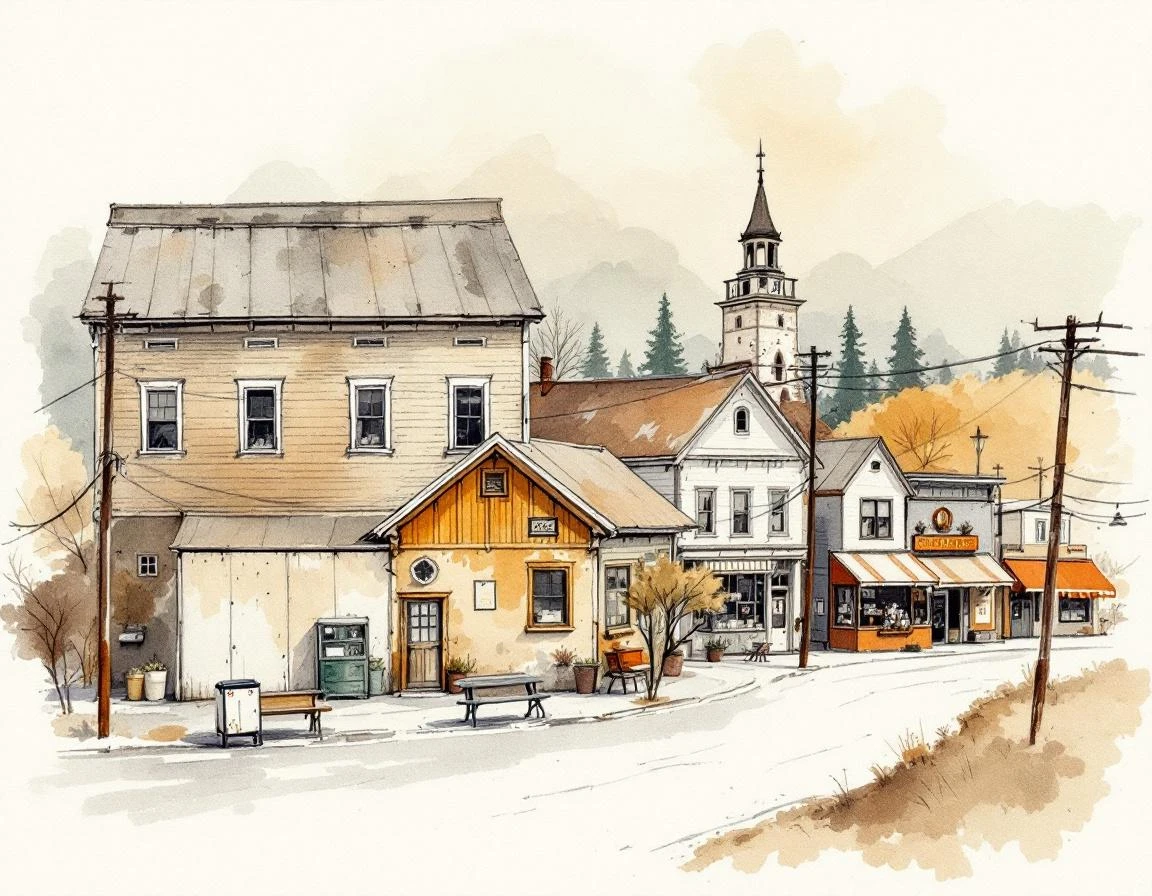

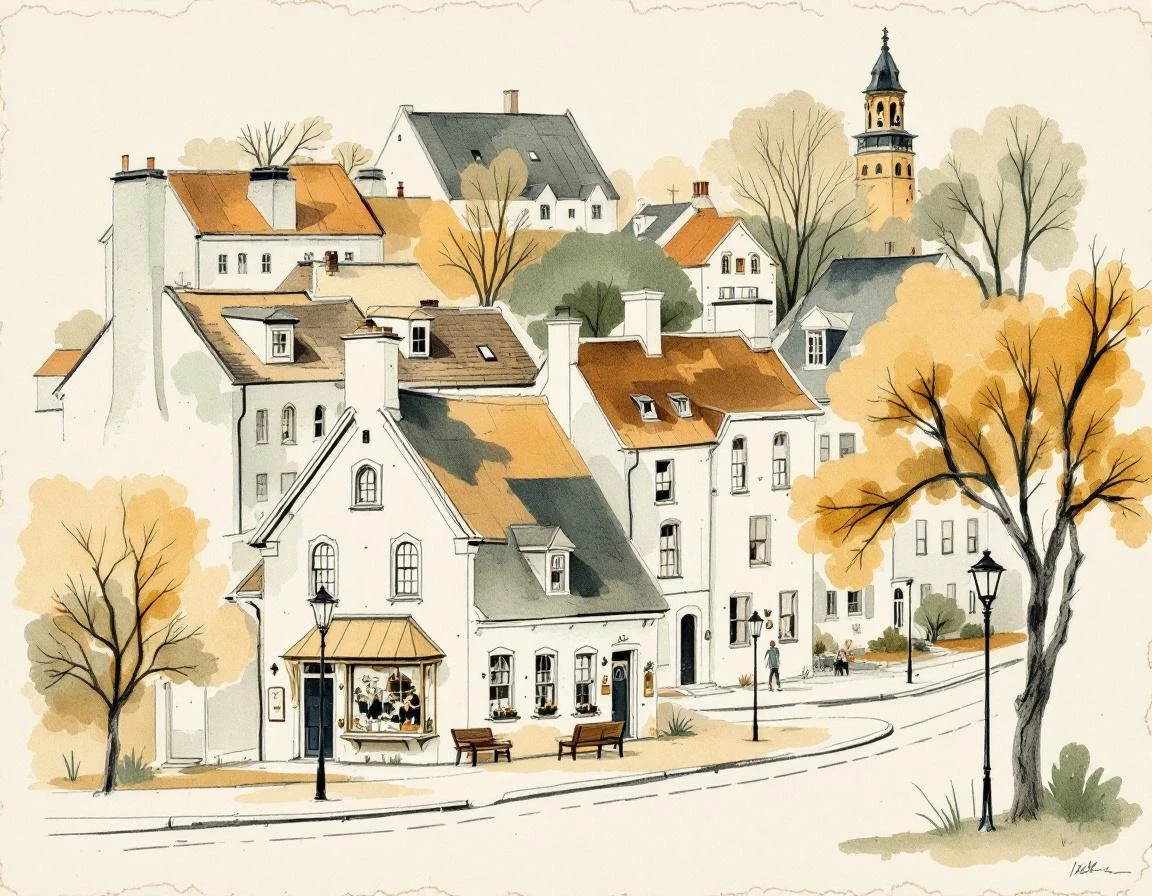
Northwestern American Town Naming Traditions
The Pacific Northwest's town names carry the marks of relatively recent Euro-American settlement, the continued presence of Indigenous peoples, and terrain that settlers kept describing in plain sight.
Indigenous Foundations
The Pacific Northwest holds dozens of Indigenous nations whose languages sound nothing like anything spoken in Europe. Salish, Chinookan, and the dozen or so smaller families of the region produce consonant clusters and glottalized stops that European settlers could only approximate. Seattle takes its name from Chief Si'ahl of the Duwamish and Suquamish; Tacoma comes from *Tahoma*, the Indigenous name for the volcano settlers would rename Rainier; Spokane derives from a Salish word usually translated as "children of the sun." Smaller towns follow the same pattern. Snoqualmie, Yakima, Klickitat - these are not invented or anglicized coinages but surviving fragments of languages that named this terrain long before statehood. What got preserved was often a geographic description or a cultural marker, filtered through the phonetic habits of whoever first wrote it down.
Exploration and Early Settlement
Early exploration left a scattered record of who paid for the trip or led it. Lewis and Clark attached their names and their patrons' names to rivers and passes; British naval officers like Vancouver did the same; Hudson's Bay Company men named forts and watersheds after company geography. Spanish coastal expeditions contributed a handful of names, San Juan among them, before ceding the region to other ambitions. When American settlers arrived along the Oregon Trail, they brought their hometowns with them in the only way they could. Portland was named after Portland, Maine - the result of a coin toss between two founders from New England - and dozens of smaller towns were simply transplanted from wherever their founders had left. It is a naming tradition less concerned with the land itself than with the people standing on it, looking back.
Geographic Descriptors
The Northwest's terrain did most of the naming work. Mountains, rivers, waterfalls, and coastlines appear constantly in both indigenous place names and those brought by settlers - Cascade, Rainier, The Dalles, Long Beach. Towering conifers and volcanic peaks were hard to ignore, and the names stuck accordingly. The logging industry left its own marks: Timber, Oakridge, Mill City. These were working towns named by people who were there to cut trees, not to commemorate anything.
Industrial and Modern Development
Railroad companies platted dozens of towns across the region in the 1880s and 1890s, frequently naming them after line executives or the Eastern financiers who backed construction. The hydroelectric boom of the early 1900s added another layer: company towns and dam-site settlements with blunt, functional names tied to power production. More recent suburban growth has trended toward the promised - developments marketed around views, trails, or some vague promise of clean living. Indigenous naming has seen genuine revival in recent decades, driven by tribal reclamation efforts rather than developer branding. Some communities have restored original place names outright; others have folded Indigenous words into new developments with varying degrees of authenticity. The Northwest was among the last parts of the continental United States to undergo large-scale Euro-American settlement, and its place names still carry that layered, compressed history.
Northwestern American Town Names: A Working Naming Guide
Northwestern American town names should feel used, not arranged. Start with the ground: rain forests, volcanic cones, salmon rivers, logging ports, island ferries, and tech suburbs. Then decide what sort of place is being named, because a logging town, river town, ferry village, mountain resort, port city, or company suburb asks for a different kind of word than a capital or a ruin. The generator can give you a quick spread, but the choice still has to sound like someone could say it while giving directions, filing a complaint, selling grain, dodging patrols, or pointing at a storm line. Keep a few candidates that disagree with each other. One may sound plain; another may feel like a mapmaker cleaned it up too much. That friction is useful.
Who Gets to Name the Place
Pick the naming authority before you fall in love with the syllables. Locals keep names in ways officials rarely predict. A tax office wants tidy spelling. A sailor wants speed. A tribal office, elder, surveyor, developer, port authority, or company lawyer may all have a reason to push a different version. For Northwestern American town names, the useful candidate usually reveals who got to write the sign and who kept saying the older word anyway. Read the name in a sentence of dialogue. If every character would pronounce it the same way, the place may be too clean.
Language Care Before Style
Coast Salish, Chinook Jargon, Sahaptin, English, Scandinavian, Japanese, and booster names belong to different moments. This is where many generated names go wrong. They borrow surface sound while ignoring who owns the language, whether the place is real, and what history the word may touch. Fiction gives you room to invent, but it does not make every source available for casual decoration. If you need a real cultural reference, narrow it to a specific region and period. If you are making a secondary world, decide what parts of the naming logic you are adapting and what parts you are leaving alone.
The Work Inside the Name
The town needs work inside it. Maybe people came for a ferry, a mine, a shrine, pasture, a school, a harbor, a wall, or a road that cut through older country. Maybe they stayed because leaving cost too much. Let that practical reason roughen the name. A good result can hold an official story and a private one at the same time: the polished name on the station board, the clipped version in a market, the older name used at home, the insult outsiders keep repeating. That layered feel matters more than a rare letter combination.
The Scene Test
Before keeping a result, run it through a small scene. Put it on a weather report, in a grandmother's warning, on a ferry schedule, and in the mouth of someone who wants the place forgotten. For Northwestern American town names, the winner should make one concrete promise about geography, class, danger, faith, trade, or memory. It should also leave room for a writer to disagree with it later. Town names age. They get translated badly, painted over, shortened by children, revived by activists, sold by developers, or cursed by people who left. Choose the one that can survive that kind of handling.