
Steampunk City Names That Sound Inhabited
Steampunk city names need a firmer brief than "make it sound old" or "make it sound pretty." Start with smoke-stacked capitals, brass rail hubs, canal factories, airship ports, clockwork districts, and exhibition towns. That gives the name a job before it has a style. An industrial capital, rail city, canal town, airship port, factory borough, or academy city has to be legible to the people who use it every day, and it may also carry an official spelling from an outsider, government office, priest, surveyor, company, or later translator. Strong names show a small bruise from use: a clipped ending, a stubborn local form, or a translation that never quite replaced the older word.
Start with Industry
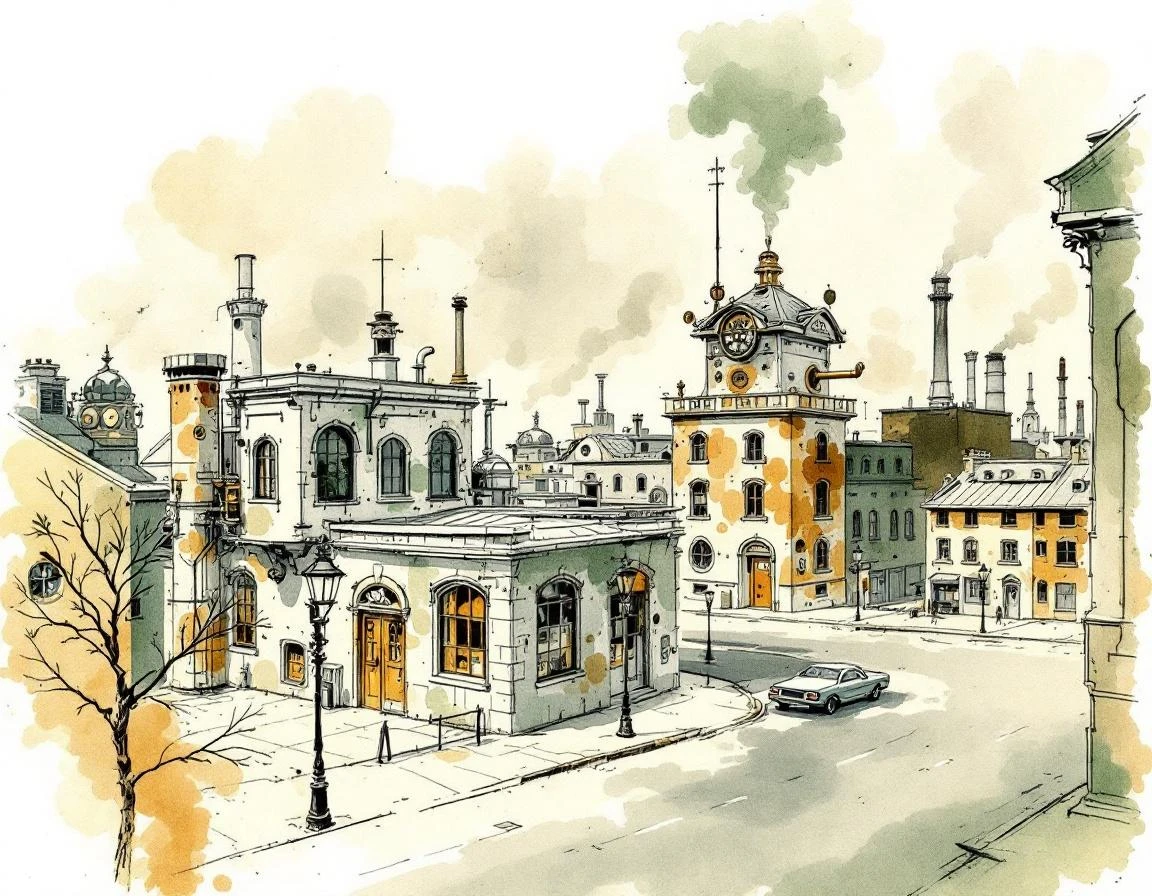
For this page, industry should lead. Ask where the boilers draw water, where the rail lines enter, what workers carry to market, which canal or stack everyone uses as a reference point, and what part of the city outsiders notice too quickly. If the name could move to an ordinary village without changing, it is probably too smooth. A good steampunk city name should make the map less abstract. It should hint at a foundry district, patent office, clock tower, airship mast, canal lock, mine spur, exhibition hall, or smoke line people actually live under.
Let People Wear the Name Down
The second question is social. Who says the name with comfort, and who says it wrong? A town can have an old name at home, a polished form on forms, a shortened version in the market, and an insult used by rivals. Do not rush to make those layers agree. The disagreement is often where the place starts to feel written by a person instead of assembled by a list. If the generator gives you several strong options, keep the one that tells you something about class, authority, migration, trade, faith, or fear.
Borrow Logic, Not Decoration
Use restraint with language. Steampunk names need labor and class under the brass. Patents, strikes, soot, empire, and boiler rooms matter. That does not mean every fictional name needs a footnote. It means the choice should avoid casual borrowing from a real culture when the story has not earned it. If the setting is invented, borrow naming logic rather than sacred words: how a community marks water, ancestry, border, danger, or craft. If the setting touches the real world, narrow the place and period before you trust the sound.
Test It in Dull Sentences
The final test is boring on purpose: put the name in plain prose. Write a weather notice, a road sign, a line from a tired local, and a sentence where someone has a reason to lie about the place. Names that only work in a title usually fail there. Names that survive the dull sentences are the ones worth keeping.
Steampunk City Names: A Working Naming Guide
Steampunk city names should feel used, not arranged. Start with the civic machine: smoke-stacked capital, brass rail hub, canal factory town, airship port, clockwork district, inventor academy, or exhibition city. Then decide who gets to name it: monarchy, company board, workers, patent office, newspaper, guild, or a later reform government trying to scrub soot from the map. The generator can give you a spread, but the name still has to work in train calls, strike notices, factory ledgers, police reports, salon gossip, and a worker giving directions through fog.
Who Gets to Name the Place
Pick the naming authority before choosing the syllables. A royal charter, railway company, factory owner, union paper, inventor guild, canal office, church, or neighborhood slang will leave different marks. A useful steampunk city name reveals who painted the official station sign and who kept saying the shorter street name anyway. Read it in dialogue. If an engineer, heiress, strike captain, cab driver, and clerk would all use the same form, the city may be too clean.
Language Care Before Style
Steampunk names need labor and class under the brass. Patents, strikes, soot, empire, and boiler rooms matter. This is where many generated names go wrong. They borrow surface sound while ignoring who owns the language, whether the place is real, and what history the word may touch. Fiction gives you room to invent, but it does not make every source available for casual decoration. If you need a real cultural reference, narrow it to a specific region and period. If you are making a secondary world, decide what parts of the naming logic you are adapting and what parts you are leaving alone.
The Work Inside the Name
Give the city its work inside the name. Maybe people came for rails, shipyards, canal locks, brass foundries, pressure plants, patents, airship freight, coal, clockwork schools, or a crown exhibition that never ended. Let that practical reason roughen the result. A good name can hold an official story and a private one at the same time: the polished civic title, the factory-gate shortening, the old parish name, or the insult workers use when the boilers blow.
The Scene Test
Before keeping a result, run it through a small scene. Put it on a rail ticket, patent filing, factory whistle notice, canal tariff, newspaper headline, and the mouth of someone coughing near the mill gate. The winner should promise something concrete about industry, class, danger, faith, trade, empire, or memory. It should also leave room for later residents to shorten it, paint over it, revive an older form, or curse it during the next strike.
Industry Leaves Soot
A steampunk city name should know which machine changed the skyline. Rail junctions, brass foundries, clock towers, canal locks, airship masts, pressure plants, and inventor districts all create different civic myths. Let class show through the shine: the official name may praise progress while workers shorten it to the mill gate, smoke stack, or pay office they actually know.