
Welsh Town Name Generator
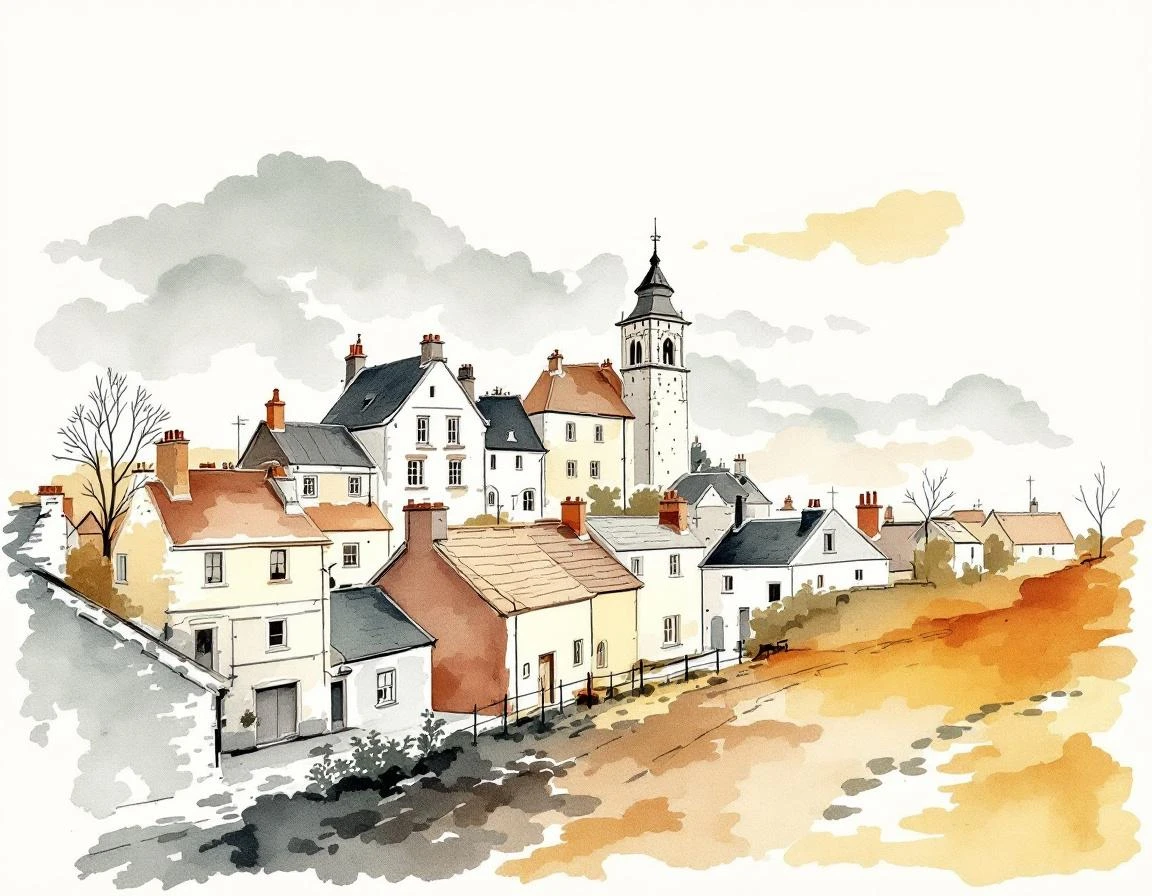
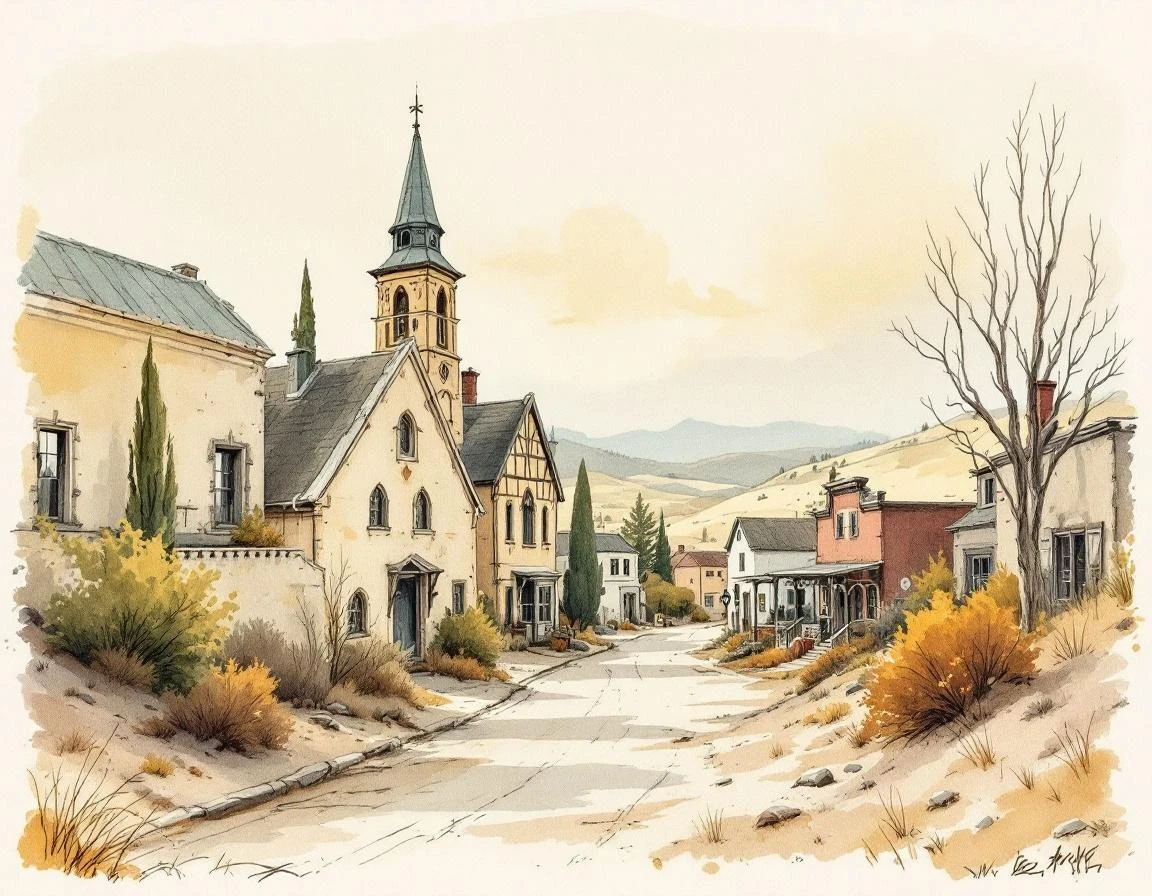
Welsh place names follow patterns laid down over fifteen centuries of Celtic speech, Norse pressure, and Norman administration. This generator works from those actual strata: *caer* and *llan* prefixes, the soft mutations that shift initial consonants, the compounding habits that turn a saint's name or a topographical feature into something like Llanfairpwll or Caernarfon. Useful for historical fiction set in medieval Wales, fantasy worldbuilding that borrows from Brittonic tradition, or any story where a settlement needs to feel rooted rather than invented. The names it produces are fictional, but they follow enough Welsh naming logic to sit near a map without copying real places.
Linguistic Patterns
Welsh place names are shaped by a handful of recurring elements that make them immediately recognizable: *llan-* (church or parish), *aber-* (river mouth), *pen-* (head or promontory), *caer-* (fort), and *cwm-* (valley). These combine with the language's characteristic consonant mutations and vowel clusters to produce names that feel distinctly Welsh rather than generically Celtic. The generator draws on these patterns to produce names that hold together phonologically: the stress falls where Welsh stress falls, the mutations behave as they should, and the results do more than recombine the same five prefixes.
Geographical Connection
Welsh place names are often descriptions. A village may be named for the ridge above it, the ford through it, the marsh beside it, a patron saint, or a fort that once controlled the road. *Aber* marks a river mouth. *Nant* is a stream. *Mynydd* is a mountain. The names were practical before they were poetic. Many of them preserve landscapes that no longer exist. A name meaning "the great oak wood" may survive in a valley that was cleared for sheep pasture five centuries ago. The etymology outlasts the thing it described, which is its own kind of record, older than parish registers and older than maps. This generator follows that same descriptive logic. It combines topographical elements drawn from traditional Welsh toponymy: ridgelines, watercourses, coastal features, and the names of plants that once marked a place as distinct from the next one. The results suggest somewhere specific rather than somewhere generic.
Historical Layering
Welsh place names are linguistic archaeology. A single name can carry strata from Brittonic, Latin, Old English, and Norman French, compressed into two or three syllables. *Caerleon* preserves the Latin *castra legionis*; *Abergavenny* anglicizes *Y Fenni* almost beyond recognition. Many settlements still carry both forms, the Welsh name and its anglicized shadow, a record of administrative pressure and the stubbornness of spoken tradition. This generator draws primarily from Welsh and Brittonic roots, with occasional borrowings from those other historical layers, to produce names that feel like they belong on an Ordnance Survey map of a country that has been argued over, translated, and quietly held onto its own tongue for a very long time.
Welsh Town Names: A Working Naming Guide
Welsh town names should feel used, not arranged. Start with the place: slate valley, chapel village, coastal town, river mouth, hill fort, market town, mining borough, sheep road, or parish clustered around a saint name. Then decide which form is speaking: Welsh local use, anglicized map form, church record, Norman layer, tourist spelling, or a family pronunciation that never made it onto the sign. The generator can give you a spread, but the name still has to work in directions, train boards, chapel minutes, school forms, market talk, and a correction from someone who knows the older word.
Who Gets to Name the Place
Pick the naming authority before choosing the syllables. Local speakers, chapel records, Norman scribes, English administrators, railway boards, miners, farmers, and modern councils will all leave different marks. A useful Welsh town name reveals who wrote the public form and who kept saying the older one anyway. Read it in dialogue. If a miner, chapel elder, teacher, tourist, and local child would all use the same form, the place may be too clean.
Language Care Before Style
Welsh, Brittonic, Latin church, Norman French, Old English, and anglicized administrative layers differ. Pick a period, region, and naming authority before trusting the sound. This is where generated names often go wrong. They borrow surface Welshness while ignoring mutation, meaning, whether the place is real, and what history the word may touch. Fiction gives room to invent, but real cultural reference needs narrower research. For a secondary world, adapt naming logic from water, fort, church, valley, saint, and spoken survival rather than borrowing living place names casually.
The Work Inside the Name
Give the town its work inside the name. Maybe people came for slate, sheep, a ford, chapel, harbor, iron, pilgrimage, market, railway, or a road cut through a valley whose older name survived. Let that practical reason roughen the result. A good name can hold an official story and a private one at the same time: the Welsh form, anglicized map form, chapel shortening, railway label, or correction everyone makes at home.
The Scene Test
Before keeping a result, run it through a small scene. Put it on a train board, chapel notice, weather report, quarry invoice, school form, and grandmother's correction at the kitchen table. The winner should promise something concrete about valley, water, fort, chapel, labor, language, or memory. It should also leave room for later speakers to shorten it, anglicize it, revive it, or argue over the public spelling.