The Art of Naming Animal Companions
Naming an animal companion is one of those small decisions that quietly shapes everything else. In *White Fang*, London doesn't explain the wolf-dog's name — he earns it, through landscape and temperament, until the name feels inevitable. That's the standard worth aiming for. The wrong name flattens a creature into a prop. The right one makes the reader feel the particular weight of this animal, in this story, beside this person.
Cultural Significance
Different cultures have named animal companions in ways that reveal what they valued. In many Native American oral traditions, an animal's name carried spiritual weight — it described a relationship, not just an identity. Medieval European literature leaned the other way, naming animals to signal rank or moral character: Reynard the Fox, Chanticleer the rooster, creatures whose names were arguments about the world.
Modern Pop Culture
Popular culture has quietly reshaped how we name animal companions. Rowling chose Hedwig — a medieval saint's name that carries weight without explanation — while Martin's direwolves got names like Ghost and Nymeria, one a near-absence, one borrowed from a warrior queen in *A Song of Ice and Fire*'s own invented history. Neither choice feels arbitrary, and neither reaches for the obvious. The pattern worth noticing isn't that fiction influences pet naming (it always has, from *Black Beauty* to *Lassie*). It's that recent fantasy tends to name animals the way it names places: with compressed mythology, a syllable or two doing the work of a whole backstory.
Psychological Impact
Animal names do more work than they appear to. A single word has to carry personality, register, and emotional weight — often before the creature has done anything on the page. The most resonant names tend to be specific rather than generic. Tolkien's Bill the pony is memorable precisely because "Bill" is so ordinary; the plainness of it makes the attachment feel real. Contrast this with a name like "Shadow" or "Storm," which signals mood without earning it. Readers sense the difference. Consider what the name sounds like spoken aloud, what it implies about the person who chose it, and whether it fits the world's texture. A name dropped casually into dialogue will tell us something about the namer's class, humor, and affection. That's three pieces of characterization from one noun.
Creating Memorable Animal Characters
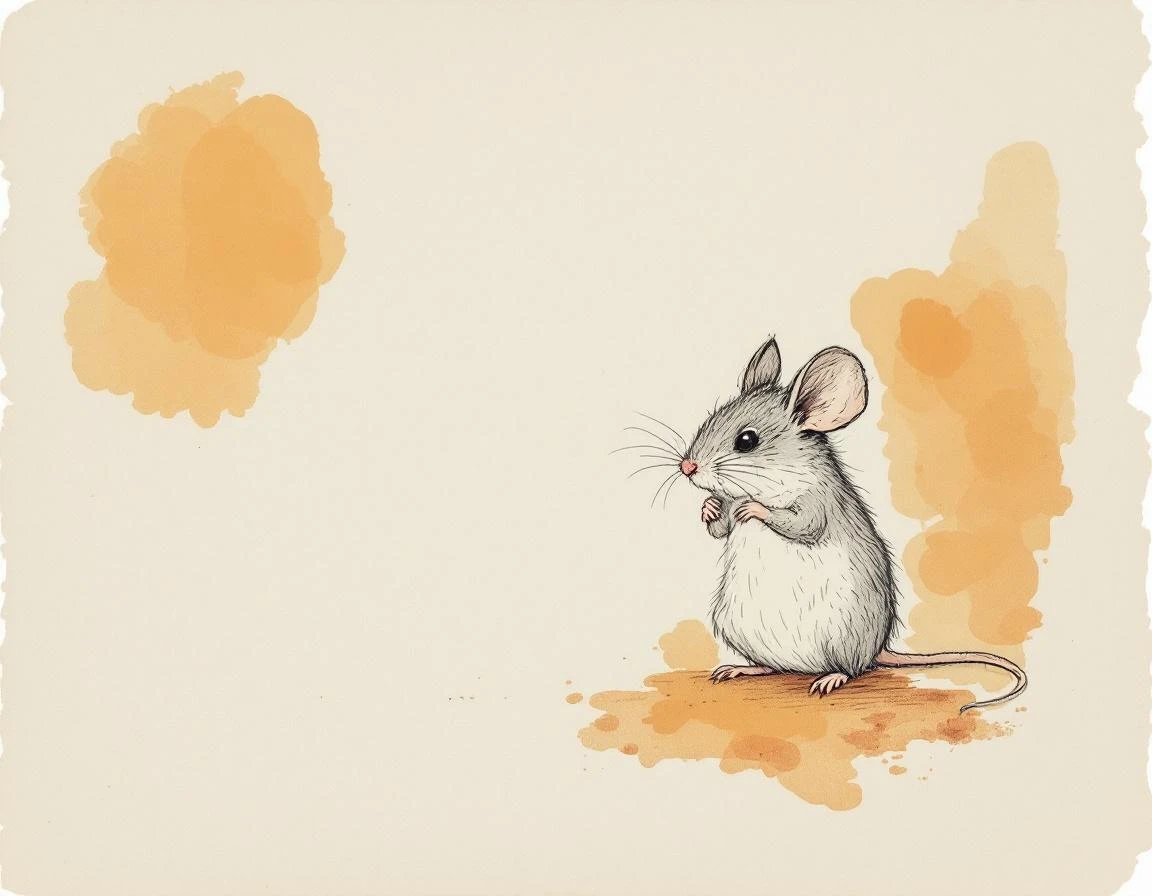
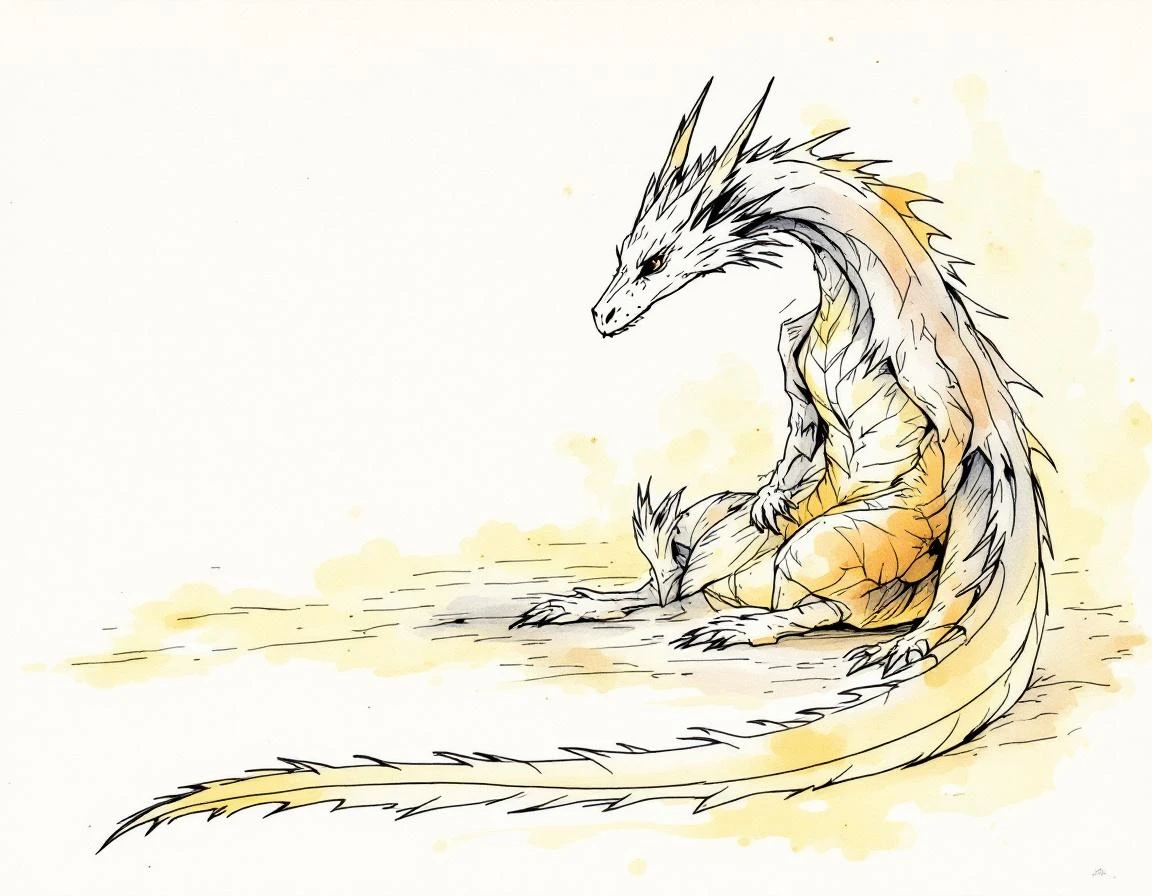
Names carry weight. A mouse called Pip reads differently than one called Mortimer — the first suggests scrappiness, the second a kind of accidental dignity. The same logic applies to a dragon: Ember implies something young and impulsive, while Skarreth suggests age, scarring, history. The traditions behind animal naming in fiction are worth knowing. Beatrix Potter gave her characters surnames and the full moral gravity of small domestic lives. Ursula K. Le Guin's dragons in *Earthsea* hold their names as sacred, hidden things. Philip Pullman's dæmons take names that eventually fix when their humans stop changing. Each of these choices is a statement about what the animal *is* in relation to the story's world. When you name an animal companion, you're making the same kind of choice — whether you realize it or not. A name signals species, temperament, the register of the world it inhabits. It also signals your reader's expected relationship to the character: comic, elegiac, menacing, beloved.
Literary Traditions
Animal characters have carried symbolic weight since Aesop, and their names tend to do double duty: they describe the creature and signal its role in the story. Reynard the Fox is sly before he opens his mouth. Rikki-Tikki-Tavi sounds quick and percussive, which suits a mongoose. The challenge is resisting the obvious. A wolf named Shadow, a raven named Midnight — these reach for atmosphere and land on cliché. The more interesting names find the specific quality that matters for *this* animal in *this* story, not the general archetype.
Genre Considerations
Genre shapes naming more than writers usually admit. A literary novel set in suburban Ohio calls for the kind of name a real person would give a dog — Biscuit, maybe, or just "the dog" for three chapters until someone bothers. A secondary-world fantasy can invent freely, but invented names still have to feel like they came from somewhere: a language, a tradition, a character's specific history with the creature. The useful question isn't "what sounds good?" but "who named this animal, and why would they have chosen that?" A stablehand in a Tolkien-adjacent world names horses differently than a court mage does. A child names a cat differently than her grieving grandmother names the same cat two years later. The name is a small piece of characterization, not decoration.