
Rodent Name Generator - Names for Rodent Characters and Companions
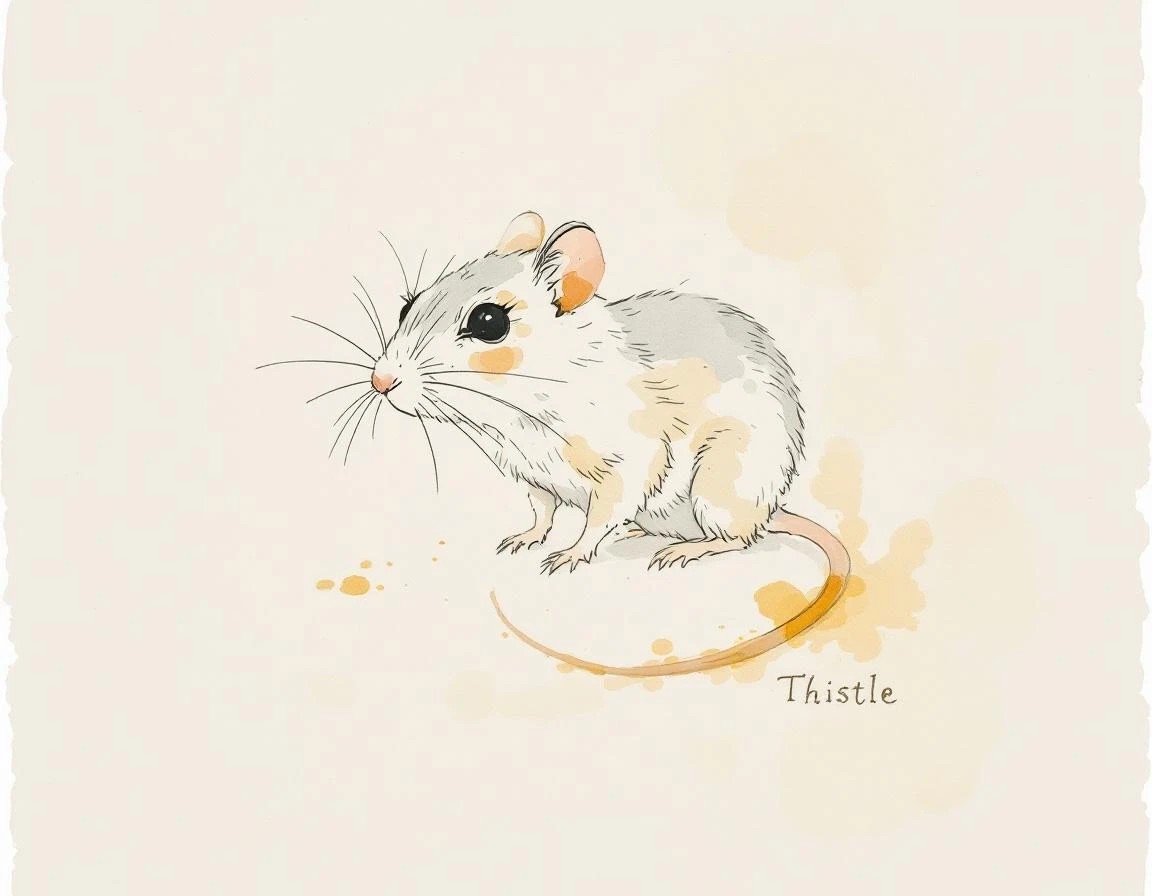
Generate names for hamsters, gerbils, guinea pigs, chinchillas, and other small rodent companions: the animals who live in the margins of human spaces and see everything from the floor.
Small Rodents in Literature and Symbolism
The guinea pig has no wild ancestor. It was domesticated in the Andes as a food animal - it's still eaten in Peru, Bolivia, Ecuador, and Colombia - then exported to Europe in the 16th century, where it became first a curiosity, then a pet, then a laboratory standard. The name is wrong on both counts: not from Guinea, not a pig. That trajectory, from Andean food culture to European drawing room to biomedical research to a child's bedroom cage, is a strange compressed history of how humans have used small animals. Hamsters weren't kept as pets in the West until the 1930s, when a zoologist found a wild Syrian litter and bred them in captivity. Nearly every pet hamster alive today descends from that single find. The hamster is, objectively, a poor choice for a child's companion: nocturnal, prone to biting when startled, happiest alone. This may be exactly why children love them. Gerbils, chinchillas, degus, fancy rats, ferrets (mustelids, technically, but shelved alongside the rodents) - these animals occupy a specific role in children's fiction: the first pet, the small creature a child protagonist is responsible for, the proxy through which a story can practice care and loss without the scale of a horse or a dog.
Rodents as Character Types
The naming patterns for small rodents in fiction tend toward two poles: tiny human names given to tiny animals (Mr. Whiskers, Mrs. Plump, Professor Fudge) or descriptive names drawn from physical features (Fluffball, Whiskers, Cheeks). Both patterns acknowledge the animal's smallness - the tiny human name through ironic elevation, the descriptive name by cataloguing what the eye lands on first. For rodents in cozy mystery and domestic fiction - the hamster who witnesses the crime, the gerbil who escapes and leads the protagonist to a clue - the animal's limitations are built into the plot. It perceives everything at floor level. It can squeeze into spaces no adult can follow. It cannot tell anyone what it knows. The rodent as frustrated witness to events above its pay grade has its own comedic and tragic register, and writers who use it well rarely explain the joke. In children's literature, the small pet often carries the first real confrontation with death. Hamsters live two or three years, gerbils three to five - short enough that children are statistically likely to lose one before they lose anything else. A story about a dying hamster is not the same story as a story about a dying dog, but the structural function is similar: something small and known is gone, and the world does not stop.
Using the Generator
Rodent names in fiction should reflect the size of the animal's role in the narrative as much as the animal itself. A hamster who is a beloved companion in a child's story deserves a name with warmth and specific personality: Nutmeg, Biscuit, Bramble, Clover. A gerbil who witnesses a crime deserves a name the reader will remember - something short, distinctive, and slightly comic. For fancy rats and intelligent rodents in stories that take their cognition seriously, names should reflect that intelligence. Rats are among the most cognitively sophisticated rodents, capable of complex problem-solving and documented empathy responses; a rat named Nicodemus (after *Mrs. Frisby and the Rats of NIMH*) or Archimedes or simply Sage carries different weight than a rat named Squeaky. For rodent characters in fantasy settings - the gerbil Moonpaw in a ratfolk civilization, the chinchilla spirit guide of an Andean-tradition story - names drawn from the culture the rodent belongs to make the character more than comic relief. In a world that takes small creatures seriously, their names should follow.
Rodent Names Craft Guide for Role, Behavior, Tone, and Story Use
Rodent names work best when the name grows from the specific companion on the page, rather than from a thin pet-name list. This generator is meant for a rodent companion: a gnawing, nesting, clever survivor suited to tunnels, workshops, granaries, laboratories, and city walls. The name should tell the reader how the animal or companion moves through a scene, who named it, and what kind of relationship it has with the characters around it.
Start with Behavior in the Scene
Before choosing a name, picture the companion doing something concrete. Is it guarding a door, stealing food, scouting ahead, refusing a command, comforting a child, or warning the party before anyone else notices danger? Behavior keeps the name from floating free. For rodent names, the best candidates usually point toward a habit the story can prove later.
Use Sound as a Handling Cue
Sound tells the reader how close the bond feels. For this page, listen for quick consonants, nibbling rhythm, small sturdy names, and sounds that fit busy movement. A name shouted across a field has different needs than one whispered in a sickroom or written on a brass tag. Test the rhythm in dialogue, especially if the companion appears often. The most useful names can become nicknames without losing their original flavor.
Match the Genre Register
Rodent names can fit urban fantasy, clockwork shops, plague-era history, laboratory fiction, and cozy quests. The register changes the name fast. A comic adventure can tolerate brighter, quicker choices. A solemn fantasy may need a name with older texture. A modern setting often benefits from names that sound owned by real people rather than invented for lore. Decide whether the companion is beloved pet, working animal, omen, familiar, mount, scout, mascot, or equal partner before locking in the final sound.
Respect Species, Culture, and Point of View
Avoid making rodent names only dirty or comic. Survival, family groups, engineering, and hidden paths are richer cues. Also ask who gives the name. A child, sailor, witch, scientist, farmer, soldier, priest, shop clerk, or lonely traveler will choose differently. Names become more convincing when they reveal the namer's world as well as the companion's body. If the name borrows from a real language or cultural tradition, give it a reason inside the setting and avoid using that culture as decorative shorthand.
Turn the Shortlist into Story Material
Put three generated options into three scenes: an introduction, a moment of trouble, and a moment of affection or loss. If the name only works in the introduction, it is probably a label rather than a story tool. Keep the rodent name that gives you future uses: a command, a joke, a warning, a title, a rumor, or a memory another character repeats after the companion has changed the course of the plot.
Who Named the Companion Matters
For a rodent, the source of the name changes the whole emotional reading. It might come from the workshop, sewer crew, laboratory, granary family, city child, or hidden colony. A practical worker may choose a short call that cuts through noise. A child may choose softness, rhyme, or a private joke. A court or archive may preserve titles and lineage. A rescuer may keep the old name out of respect, while a new owner may rename the companion to mark safety after a bad past. That choice tells the reader who had power when the name was given.
Check the Name across Repeated Use
Because companion names repeat so often, test the rodent choice in ordinary beats as well as dramatic ones. It should work on a tag, in a command, inside a scolding, as a fond nickname, and in a sentence where another character does not understand the bond yet. If the story has sequels, related animals, litters, herds, packs, or familiars, keep notes on the naming logic now. The useful final choice gives you a family of possible names without making every future companion sound copied from the first.