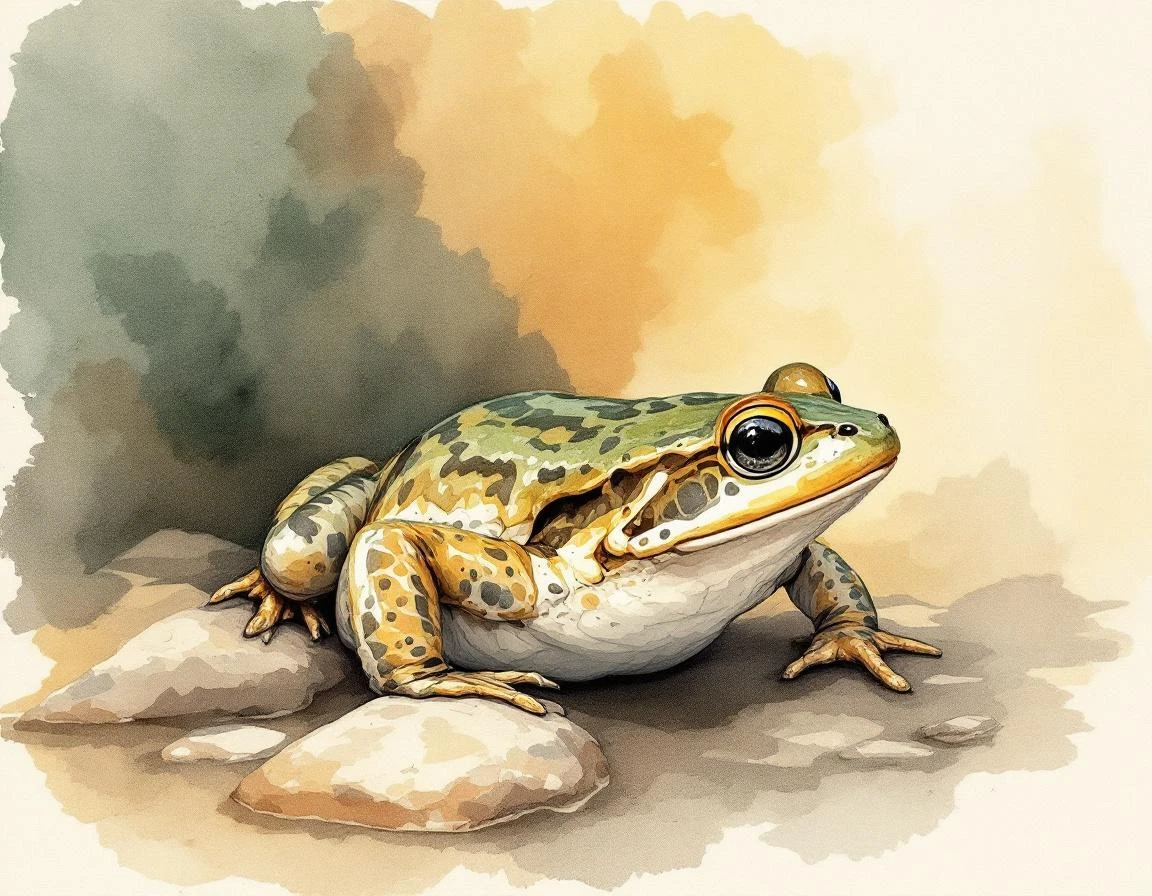

Amphibian Name Generator for Frogs, Salamanders, Newts, and Marsh Companions
Amphibian names work best when they carry a little moisture, a little transformation, and a sense of life lived between worlds. Frogs sing from reeds. Salamanders slip under stones. Newts seem half-made of rainwater and patience. In fiction, that in-between quality is useful. An amphibian companion can feel comic, prophetic, poisonous, shy, ancient, or strangely loyal, depending on the story around it. This generator helps name amphibian companions with more care than a random cute sound. It can lean toward pond folklore, swamp adventure, alchemical salamanders, rainforest color, witch familiars, fairy-tale helpers, or a naturalist's field notebook. Use it when the companion needs a name that fits its body, habitat, temperament, and role in the character's life.
Naming from Habitat and Sound
Amphibian names often begin with place. Bog, fen, reedbed, rain barrel, moss bank, vernal pool, cave spring, and flooded ditch all suggest different registers. A tiny tree frog in a warm forest can carry a quick, bright name. A heavy pond toad may want something older and duller, a name that sounds as if it has been muttered beside the same stones for years. Sound matters too. Frogs chirp, peep, trill, grunt, bark, and drone. A name can echo that voice without imitating it too literally. Peep and Croak work for comic companions. Vesper, Fenwick, Tallow, Brindle, or Reedfall may fit a more serious story. Tell the generator whether the amphibian is charming, eerie, royal, cursed, scholarly, or half-wild, and the sound of the names can follow.
Using Transformation without Making It Obvious
Amphibians are built around transformation. Tadpole to frog is one of the most visible metamorphoses in nature, and writers have used that symbolism for centuries. The danger is naming every amphibian companion as if it exists only to represent change. A subtle name usually works better. It can hint at thresholds, rain, hidden growth, or old skins without turning the companion into a moral lesson. A young witch's newt might be named Morrow because it always appears before a change in weather. A prince's pond toad might be called Ledger because it remembers promises. A salamander companion in a fire mage's tower could be named Cinderwell, not because salamanders are literally fireproof, but because European folklore long associated them with flame. The name should carry story pressure quietly.
Folklore, Poison, and Protection
Amphibians sit in a strange corner of folklore. Frogs appear in fairy tales as cursed princes, swamp witnesses, comic helpers, or omens of rain. Toads belong to witchcraft in much European tradition, sometimes as familiars, sometimes as ingredients, sometimes as creatures wrongly blamed for malice. Salamanders were linked to fire in medieval bestiaries and alchemy, a symbolic leap from the real animal's habit of emerging from damp logs placed on flames. These associations can guide names. A protective toad familiar might have a blunt household name, the sort a witch would say while stirring soup. A poisonous rainforest frog might carry a bright ceremonial name that warns rather than invites. A salamander tied to alchemy may need a name with mineral, ash, or furnace notes. Use the generator to decide whether folklore is background flavor or the naming engine.
Matching Scale to Role
A companion's size changes the name. A pocket frog riding in a satchel can survive a playful name, especially if the story has warmth. A giant cave salamander that carries messages through underground rivers needs more weight. A royal rain toad consulted before battle might need a name that sounds like a title. Names should fit the way the creature enters a scene. Think about the bond too. Is the amphibian a pet, familiar, scout, omen, transformed person, laboratory subject, battlefield messenger, or old household guardian? The same species can take very different names depending on that relationship. A child names differently than a priest. A naturalist names differently than a swamp village. A villain names differently than someone who sleeps with the frog tucked in a coat pocket.
Making Amphibian Names Usable in Prose
The best companion names are easy to repeat. If the name appears in dialogue, a reader should not stumble over it every time. Amphibian names can be soft, damp, sharp, comic, or solemn, but they should still be speakable. Test the name in a sentence: called across a pond, whispered during a spell, written on a cage label, or scolded after muddy footprints appear on a clean floor. Generated lists are strongest when you sort them by use. Keep short names for affectionate companions. Keep longer, stranger names for legendary or formal creatures. Keep names with wet consonants and mossy vowels for swamp and pond settings. A good amphibian name should feel as if it could disappear under a leaf and still be found again by sound.
Choosing Names for Magic, Science, or Cozy Stories
An amphibian companion changes register fast. In a cozy village fantasy, a toad named Puddlewick can sit beside a teacup and feel right. In a laboratory story, the same shape of name would work against the scene; you may want Linnaeus, Axol, Spore, Rana, or something that nods toward taxonomy and experiment. In a darker fairy tale, the name may need to sound like a warning passed between children after rain. Tell the generator what kind of story owns the amphibian. A potion-shop newt, a rainforest scout, a cursed prince, and a cave salamander should not share the same naming shelf. The more specific the role, the less likely the results are to collapse into cute swamp noises. A useful name gives the companion a place in the world before it does anything dramatic.
Keeping the Name Tied to Behavior
Watch what the amphibian actually does in the story. Does it vanish before storms, sit on letters, poison enemies, carry messages through drains, or sing only when someone lies? A name can grow from that habit. Behavior-based names stay memorable because readers see the name proved in scenes instead of being asked to accept it on the first page. That proof matters more than cleverness, especially for a companion who appears often beside the hero. It also helps the name stay tied to action rather than decoration throughout the story itself. If two names both sound good, keep the one that gives you a scene.