
Marine Mammal Name Generator - Names for Ocean Companions
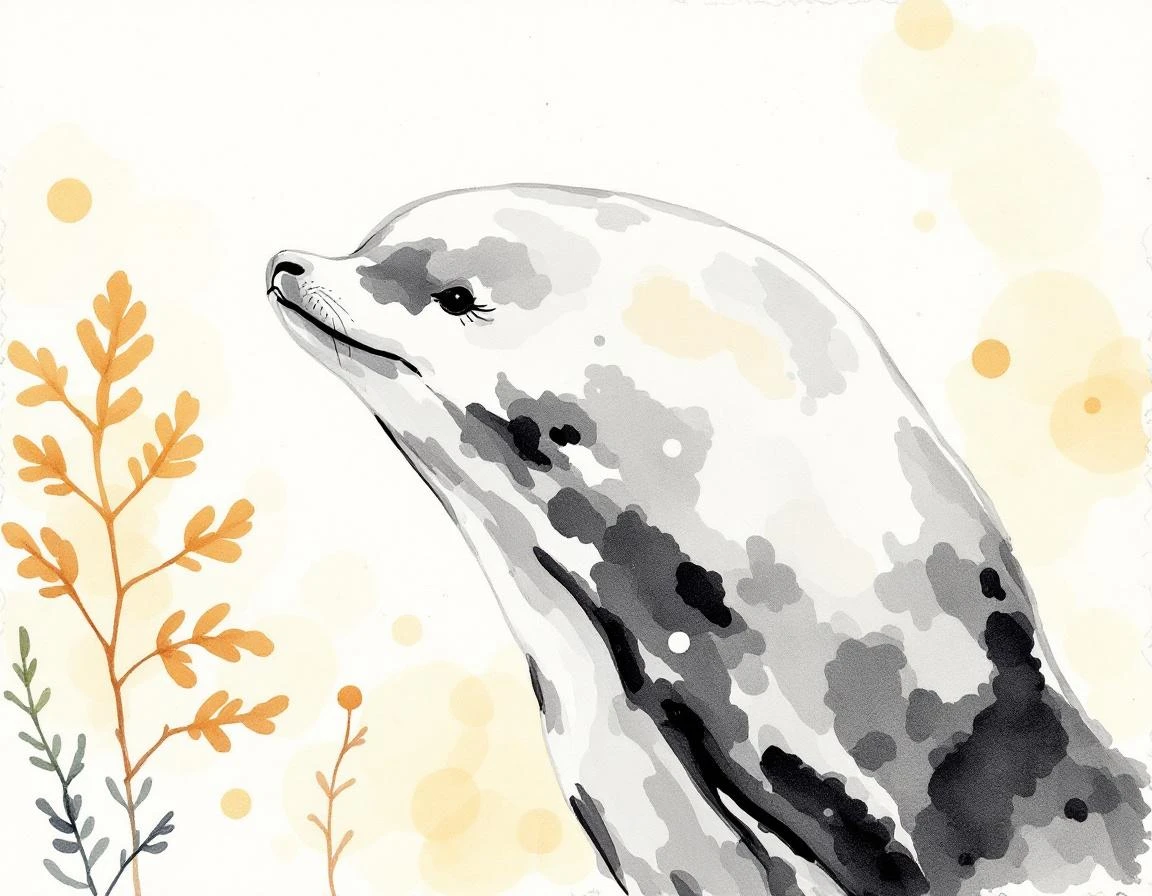
Generate names for dolphins, whales, seals, otters, and other marine mammals: the dolphin who guides sailors home, the whale whose body *is* the sea, the selkie caught between tides and dry land.
Marine Mammals in Mythology
Dolphins appear in Greek mythology as companions and rescuers of poets and musicians. The most famous: Arion of Lesbos, the legendary musician thrown overboard by sailors who wanted his gold, rescued by a dolphin enchanted by his playing. Dolphins were sacred to Apollo and Poseidon, and killing one was considered deeply unlucky in ancient Greek seafaring culture. In Celtic and Norse tradition, the selkie - a seal who can shed its skin and walk as a human - is one of the most poignant figures in North Atlantic mythology. Selkies cannot stay on land permanently; when they find their skin and put it back on, they return to the sea. The stories almost always involve a human who hides a selkie's skin, forcing them to stay, and the selkie's eventual freedom and departure. The selkie belongs to a different world but touches ours, and cannot truly be held. Whales in many Pacific Islander traditions are ancestors who chose to return to the sea, or gods who manifest in oceanic form, or guardians of specific territories. In Māori tradition, the whale is associated with Tangaroa, the ocean god. In the Jonah story, the great fish is both punishment and mercy - the place of darkness from which the prophet emerges transformed.
Real Marine Mammals in Fiction
Moby Dick remains the most fully realized whale in literature - not a companion but an antagonist who may not know he is one, a creature of such scale that Ahab and his crew can only perceive fragments of him. The whale as sublime force rather than animal presence, as something that exceeds any human frame. *Flipper*, the *Hitchhiker's Guide* dolphins ("So long and thanks for all the fish" - Adams placed them as the second most intelligent species on Earth, who understood the Vogons were coming and tried to warn us), the orca Willy: marine mammal fiction tends to split between two modes. The loyal companion, domesticated and responsive. The wild thing diminished by captivity, whose story ends only when it returns to open water. Sea otters arrived late to fiction. Their reputation as a beloved internet animal is recent, built on footage of them holding hands while sleeping so they don't drift apart, cracking shells open with rocks carried in a pouch of loose skin. That specific, observable tenderness - practical and accidental at once - has made them natural fits for the warm, domestic companion role that dolphins and whales rarely occupy.
Using the Generator
Marine mammal names depend on whether the creature lives fully in the ocean or partly on land. A dolphin is always ocean. A selkie is both. An otter - sea otter or river otter - can be either. For dolphins in Greek or sailor contexts, Greek mythology offers good material: Delphinus (the dolphin constellation), Arion (the rescued musician), Aphros (sea-foam). For the dolphins of Adams's cosmology, playful and slightly ironic names fit - beings who know everything and can't quite get it across. For whales as cosmic or divine figures, the whale who holds the sea's memory, the great whale whose sound spans ocean basins, names should feel oceanic: long vowels, consonants that suggest depth (m, n, w), sounds that carry. For selkies and seal-companions in North Atlantic settings, Gaelic and Scandinavian names ground the creature in its mythological home.
Marine Mammal Names Craft Guide for Role, Behavior, Tone, and Story Use
Marine mammal names work best when the name grows from the specific companion on the page, rather than from a thin pet-name list. This generator is meant for a marine mammal companion: a whale, dolphin, seal, otter, or sea lion presence tied to breath, intelligence, migration, play, and ocean scale. The name should tell the reader how the animal or companion moves through a scene, who named it, and what kind of relationship it has with the characters around it.
Start with Behavior in the Scene
Before choosing a name, picture the companion doing something concrete. Is it guarding a door, stealing food, scouting ahead, refusing a command, comforting a child, or warning the party before anyone else notices danger? Behavior keeps the name from floating free. For marine mammal names, the best candidates usually point toward a habit the story can prove later.
Use Sound as a Handling Cue
Sound tells the reader how close the bond feels. For this page, listen for rolling vowels, surf rhythm, whistles, barks, and names that feel at home in salt air. A name shouted across a field has different needs than one whispered in a sickroom or written on a brass tag. Test the rhythm in dialogue, especially if the companion appears often. The most useful names can become nicknames without losing their original flavor.
Match the Genre Register
Marine Mammal Names can fit island fantasy, ocean science fiction, coastal folklore, rescue stories, and merfolk alliances. The register changes the name fast. A comic adventure can tolerate brighter, quicker choices. A solemn fantasy may need a name with older texture. A modern setting often benefits from names that sound owned by real people rather than invented for lore. Decide whether the companion is beloved pet, working animal, omen, familiar, mount, scout, mascot, or equal partner before locking in the final sound.
Respect Species, Culture, and Point of View
Avoid flattening different species into one cute sea friend. A whale, seal, and otter need different motion and social cues. Also ask who gives the name. A child, sailor, witch, scientist, farmer, soldier, priest, shop clerk, or lonely traveler will choose differently. Names become more convincing when they reveal the namer's world as well as the companion's body. If the name borrows from a real language or cultural tradition, give it a reason inside the setting and avoid using that culture as decorative shorthand.
Turn the Shortlist into Story Material
Put three generated options into three scenes: an introduction, a moment of trouble, and a moment of affection or loss. If the name only works in the introduction, it is probably a label rather than a story tool. Keep the marine mammal name that gives you future uses: a command, a joke, a warning, a title, a rumor, or a memory another character repeats after the companion has changed the course of the plot.
Who Named the Companion Matters
For a marine mammal, the source of the name changes the whole emotional reading. It might come from the pod, rescue crew, island family, ocean researcher, seal hunter, or merfolk ally. A practical worker may choose a short call that cuts through noise. A child may choose softness, rhyme, or a private joke. A court or archive may preserve titles and lineage. A rescuer may keep the old name out of respect, while a new owner may rename the companion to mark safety after a bad past. That choice tells the reader who had power when the name was given.
Check the Name across Repeated Use
Because companion names repeat so often, test the marine mammal choice in ordinary beats as well as dramatic ones. It should work on a tag, in a command, inside a scolding, as a fond nickname, and in a sentence where another character does not understand the bond yet. If the story has sequels, related animals, litters, herds, packs, or familiars, keep notes on the naming logic now. The useful final choice gives you a family of possible names without making every future companion sound copied from the first.