
Parrot Name Generator - Names for Parrot Characters and Companions
Generate parrot names drawn from the Age of Sail, tropical mythology, and the long, complicated relationship between parrots and the people who kept them - for pirates' companions, talking birds, and the parrots who repeat exactly what they shouldn't.
Parrots in History and Literature
Parrots arrived in Europe as expensive curiosities - tropical birds carried back by sailors and merchants from ports in West Africa, India, and the Americas. Owning one in the 15th or 16th century signaled wealth and some connection to the wider world. Alexander the Great's soldiers brought parrots back from India. Roman aristocrats kept them in gilded cages. Medieval bestiaries credited them with near-human intelligence and praised their ability to greet "Ave Caesar" on command. The pirate association comes largely from Robert Louis Stevenson. Long John Silver's parrot in *Treasure Island* - named Captain Flint, after the pirate who buried the treasure - rides Silver's shoulder and calls for pieces of eight. The image stuck because it has its own logic: parrots come from tropical ports, tropical ports are where pirates operated, and a bird that repeats overheard conversations is a natural spy. The parrot becomes part of the atmosphere before it becomes a cliché. Robinson Crusoe's parrot Poll is something else entirely. For years Poll is the only companion Crusoe has - the animal that learns to call his name, the one voice that answers back. The parrot there is not ornament or comic relief. It is the last thin thread of relationship, the proof that someone, even a bird, recognizes him.
Parrots as Characters
Parrots are the only animals in fiction who can carry dialogue directly. They can repeat overheard secrets, announce arrivals without understanding why they matter, or say the wrong thing at exactly the wrong moment. That usefulness is built into the biology: a creature that mimics speech without necessarily understanding it. In Flaubert's *A Simple Heart*, Loulou the parrot becomes - over years of devotion - inseparable from its owner's idea of the Holy Spirit. She sees the Holy Spirit as a parrot because the parrot has been her companion so long it has absorbed sacred meaning. It's one of the stranger treatments of an animal in 19th-century literature: accidental religious symbol, not through intention but through proximity. For fantasy parrots, the central question is whether the bird speaks only learned phrases or actually understands language. A parrot who chooses what to repeat - who decides which secrets to reveal and when - is a different character entirely from one who mimics indiscriminately. The first is a spy. The second is a mirror.
Using the Generator
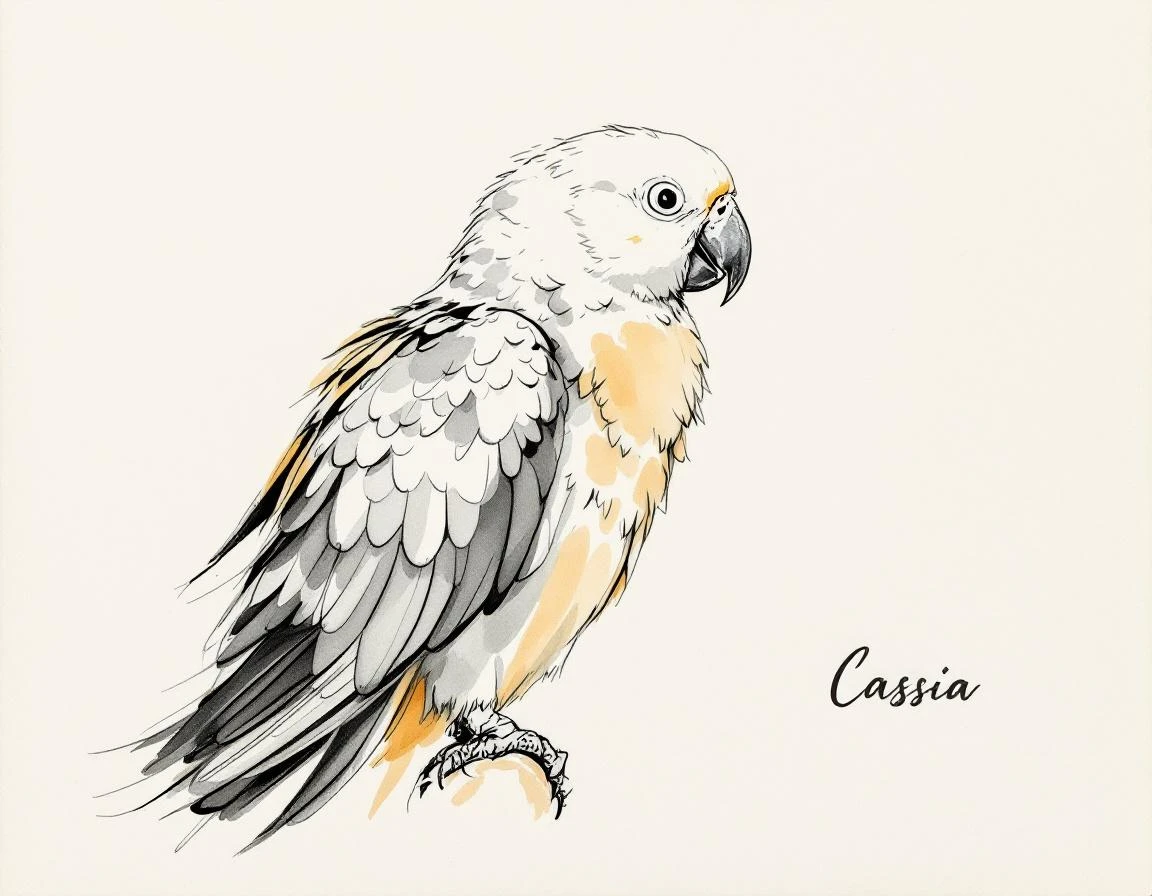
Parrot names in fiction often reflect who named them. A sailor's parrot might be named for a port, a woman left behind, a captain, or a ship. A scholar's parrot might be named for a classical figure or a concept. A pirate's parrot might be named ironically - a parrot named Saint Francis, or a parrot named Chastity. Species matters. African grey parrots are the most cognitively sophisticated and tend to get more serious names that acknowledge their intelligence. Macaws, with their dramatic coloring, get names reflecting appearance: Crimson, Scarlet, Indigo. Cockatiels and budgies, the domestic species, get the smaller, warmer names that companion animals get: Pebble, Sunny, Birdie. For historical settings, the generator draws from the trading port traditions where parrots changed hands: Portuguese traders in West Africa, Dutch traders in Indonesia, Spanish traders in the Americas. Each route had its own parrot species and its own naming conventions.
Parrot Names Craft Guide for Role, Behavior, Tone, and Story Use
Parrot names work best when the name grows from the specific companion on the page, rather than from a thin pet-name list. This generator is meant for a parrot companion: a bright, vocal, social companion that repeats, argues, warns, entertains, and sometimes embarrasses its keeper. The name should tell the reader how the animal or companion moves through a scene, who named it, and what kind of relationship it has with the characters around it.
Start with Behavior in the Scene
Before choosing a name, picture the companion doing something concrete. Is it guarding a door, stealing food, scouting ahead, refusing a command, comforting a child, or warning the party before anyone else notices danger? Behavior keeps the name from floating free. For parrot names, the best candidates usually point toward a habit the story can prove later.
Use Sound as a Handling Cue
Sound tells the reader how close the bond feels. For this page, listen for colorful vowels, crisp calls, mimicry-friendly names, and sounds that can be repeated in dialogue. A name shouted across a field has different needs than one whispered in a sickroom or written on a brass tag. Test the rhythm in dialogue, especially if the companion appears often. The most useful names can become nicknames without losing their original flavor.
Match the Genre Register
Parrot names can fit pirate stories, tropical courts, merchant ships, urban apartments, and comic mysteries. The register changes the name fast. A comic adventure can tolerate brighter, quicker choices. A solemn fantasy may need a name with older texture. A modern setting often benefits from names that sound owned by real people rather than invented for lore. Decide whether the companion is beloved pet, working animal, omen, familiar, mount, scout, mascot, or equal partner before locking in the final sound.
Respect Species, Culture, and Point of View
Avoid reducing parrots to catchphrases. Memory, bond, intelligence, and inconvenient speech are better naming engines. Also ask who gives the name. A child, sailor, witch, scientist, farmer, soldier, priest, shop clerk, or lonely traveler will choose differently. Names become more convincing when they reveal the namer's world as well as the companion's body. If the name borrows from a real language or cultural tradition, give it a reason inside the setting and avoid using that culture as decorative shorthand.
Turn the Shortlist into Story Material
Put three generated options into three scenes: an introduction, a moment of trouble, and a moment of affection or loss. If the name only works in the introduction, it is probably a label rather than a story tool. Keep the parrot name that gives you future uses: a command, a joke, a warning, a title, a rumor, or a memory another character repeats after the companion has changed the course of the plot.
Who Named the Companion Matters
For a parrot, the source of the name changes the whole emotional reading. It might come from the sailor, merchant, pirate, old aunt, innkeeper, or household tired of being quoted. A practical worker may choose a short call that cuts through noise. A child may choose softness, rhyme, or a private joke. A court or archive may preserve titles and lineage. A rescuer may keep the old name out of respect, while a new owner may rename the companion to mark safety after a bad past. That choice tells the reader who had power when the name was given.
Check the Name across Repeated Use
Because companion names repeat so often, test the parrot choice in ordinary beats as well as dramatic ones. It should work on a tag, in a command, inside a scolding, as a fond nickname, and in a sentence where another character does not understand the bond yet. If the story has sequels, related animals, litters, herds, packs, or familiars, keep notes on the naming logic now. The useful final choice gives you a family of possible names without making every future companion sound copied from the first.