
Cat Name Generator - Names for Feline Characters and Companions
Generate cat names drawn from mythology, literature, and feline behavior - for fictional companions, RPG familiars, and any story where the cat knows more than they let on.
Cats in Fiction
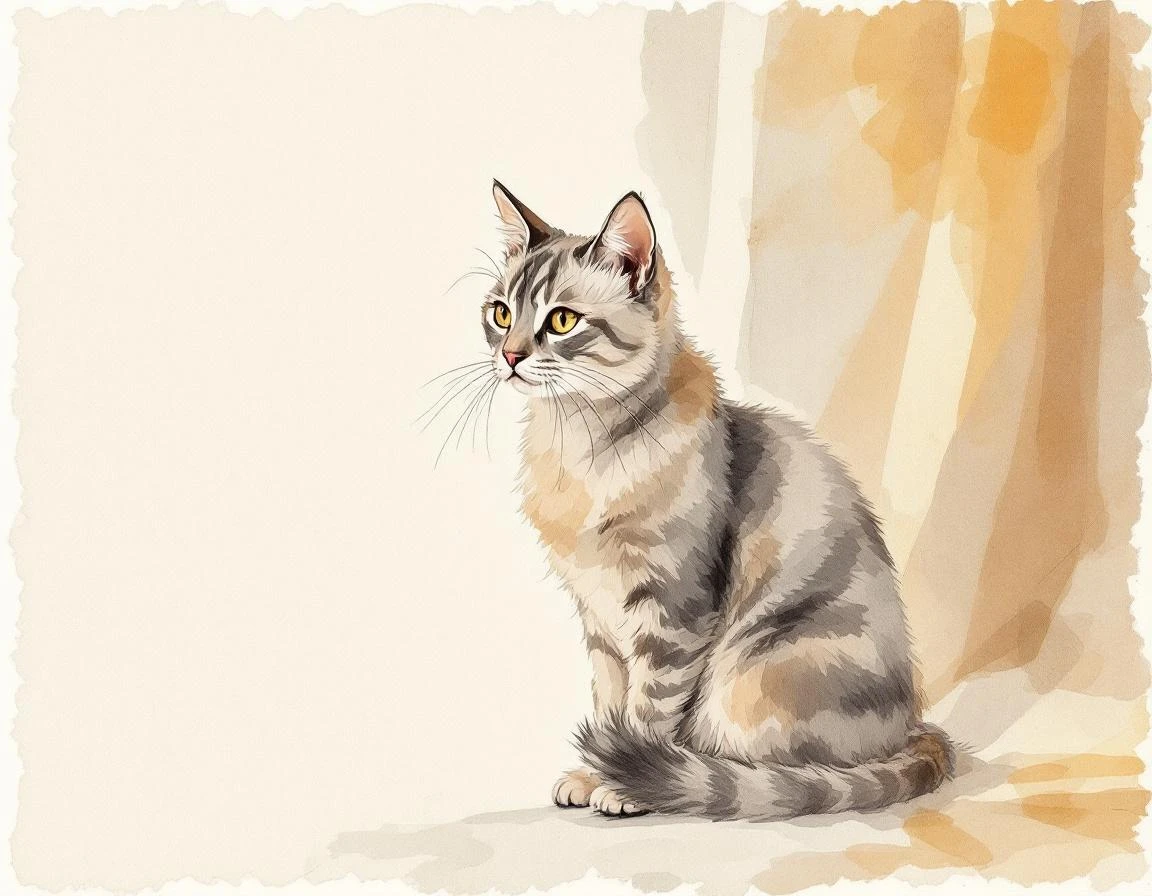
Cats have been companion animals in literature for about as long as literature has existed, but they resist the loyalty-and-service role that dogs fill. A cat in fiction is almost always a figure of ambiguity. They choose whether to help. They have their own agenda. The best fictional cats - Behemoth in Bulgakov's *The Master and Margarita*, Crookshanks in *Harry Potter*, the Cheshire Cat in Carroll's *Alice* - are memorable precisely because their motives stay opaque. In Egyptian mythology, the cat goddess Bastet was a protector of the home and the pharaoh, associated with the sun and with warmth. Cats were sacred, and killing one - even accidentally - was a capital offense. That association gave cats a divine quality in the Western imagination that has never fully faded. A cat named Bastet, Sekhmet, or Mafdet carries that weight. In Japanese folklore, the *bakeneko* (monster cat) and the *nekomata* (forked-tail cat spirit) are shapeshifters who gain supernatural power with age. The *maneki-neko* brings good fortune. These traditions offer a very different set of associations: cats as beings that transform, that have a secret nature, that bring luck or disaster depending on the context.
How Cats Are Named
Real cat names skew in two directions: small and affectionate (Mochi, Pip, Bean, Noodle) or grand and ironic (Lord Fluffington, Baron von Whiskers, Empress Mittens). Both work in fiction because both reflect something true about the human-cat relationship - the cat is at once an intimate domestic companion and a creature of wild dignity who merely tolerates your presence. For a fictional cat with narrative weight, the name should do some work. A cat called Shadow reads differently than a cat called Ptolemy, who reads differently than a cat called Nothing. The first tells you about appearance or behavior. The second tells you the owner has opinions about history. The third tells you something stranger is happening. Familiars in fantasy often draw from the witch and wizard tradition: Pyewacket (from the 1958 film *Bell, Book and Candle*, itself pulling from a 17th-century witchcraft trial), Hecate, Artemis, Selene. Moon-goddess names work particularly well for black cats in the Western tradition. The pattern that makes them feel right - an animal name that sounds like it means something - is older than any single story.
Using the Generator
When generating a name, decide first whether the cat is named by a character in the story or whether the name predates your protagonist's knowledge of them. A cat who names herself - or whose name exists independently of anyone's giving - is a different kind of character than a cat named by a child on a Tuesday afternoon. For RPG familiars, the name often signals a school of magic or a facet of the character's personality. A witch with a cat named Mugwort reads as an herbalist; one with a cat named Caligula reads as something else entirely. A ranger's feral mountain cat named Flint reads as grounded and functional; one named Ptolemy suggests a ranger with unexpected scholarly leanings. For children's fiction, names can be more direct: descriptive (Socks, Patches, Ginger), aspirational (Duke, Princess), or comic in the way children find satisfying (Mr. Fluffybottom, Sir Scratch-a-Lot). The generator handles all of these registers.
Cat Names Craft Guide for Role, Behavior, Tone, and Story Use
Cat names work best when the name grows from the specific companion on the page, rather than from a thin pet-name list. This generator is meant for a feline companion: an independent household power that can be pet, familiar, spy, omen, or small tyrant. The name should tell the reader how the animal or companion moves through a scene, who named it, and what kind of relationship it has with the characters around it.
Start with Behavior in the Scene
Before choosing a name, picture the companion doing something concrete. Is it guarding a door, stealing food, scouting ahead, refusing a command, comforting a child, or warning the party before anyone else notices danger? Behavior keeps the name from floating free. For cat names, the best candidates usually point toward a habit the story can prove later.
Use Sound as a Handling Cue
Sound tells the reader how close the bond feels. For this page, listen for soft starts, sly endings, purr-like rhythm, and names that can become nicknames. A name shouted across a field has different needs than one whispered in a sickroom or written on a brass tag. Test the rhythm in dialogue, especially if the companion appears often. The most useful names can become nicknames without losing their original flavor.
Match the Genre Register
Cat Names can fit witch cottages, palace corridors, city alleys, cozy mysteries, and magical libraries. The register changes the name fast. A comic adventure can tolerate brighter, quicker choices. A solemn fantasy may need a name with older texture. A modern setting often benefits from names that sound owned by real people rather than invented for lore. Decide whether the companion is beloved pet, working animal, omen, familiar, mount, scout, mascot, or equal partner before locking in the final sound.
Respect Species, Culture, and Point of View
Do not force loyalty into every cat name. Distance, consent, and selective affection are part of the charm. Also ask who gives the name. A child, sailor, witch, scientist, farmer, soldier, priest, shop clerk, or lonely traveler will choose differently. Names become more convincing when they reveal the namer's world as well as the companion's body. If the name borrows from a real language or cultural tradition, give it a reason inside the setting and avoid using that culture as decorative shorthand.
Turn the Shortlist into Story Material
Put three generated options into three scenes: an introduction, a moment of trouble, and a moment of affection or loss. If the name only works in the introduction, it is probably a label rather than a story tool. Keep the cat name that gives you future uses: a command, a joke, a warning, a title, a rumor, or a memory another character repeats after the companion has changed the course of the plot.
Who Named the Companion Matters
For a cat, the source of the name changes the whole emotional reading. It might come from the household, witch, alley community, palace servant, or the cat itself through reputation. A practical worker may choose a short call that cuts through noise. A child may choose softness, rhyme, or a private joke. A court or archive may preserve titles and lineage. A rescuer may keep the old name out of respect, while a new owner may rename the companion to mark safety after a bad past. That choice tells the reader who had power when the name was given.
Check the Name across Repeated Use
Because companion names repeat so often, test the cat choice in ordinary beats as well as dramatic ones. It should work on a tag, in a command, inside a scolding, as a fond nickname, and in a sentence where another character does not understand the bond yet. If the story has sequels, related animals, litters, herds, packs, or familiars, keep notes on the naming logic now. The useful final choice gives you a family of possible names without making every future companion sound copied from the first.