
Reptile Name Generator - Names for Reptile Characters and Animal Companions
Lizards, snakes, crocodiles, turtles, the occasional basilisk. This generator handles the full cold-blooded range, whether you need a name for a serpent god older than memory or a small green lizard who has claimed the sorcerer's shoulder as his permanent territory. The naming logic draws on traditions that actually used reptiles as sacred or symbolic animals: Egyptian *sobek* epithets, Mesoamerican feathered-serpent lineages, the nāga names of Sanskrit literature, the cold taxonomic binomials of natural history. A river guardian gets different weight than a familiar. A chaos-serpent gets different weight than a pet iguana.
Reptiles in Mythology
The serpent is among the oldest mythological figures in human culture. In the Eden story, it is the tempter. In Aztec mythology, Quetzalcoatl is the feathered serpent, god of wind and learning. In Egyptian mythology, Apep (Apophis) is the serpent of chaos who battles Ra every night. In Minoan Crete, the Snake Goddess - a figurine holding snakes in both upraised hands - dates to 1600 BCE and represents either a goddess or a priestess in the serpent cult. Non-venomous snakes in many cultures were associated with the home. In ancient Rome, a *genius loci* was often depicted as a serpent; household snakes were welcomed as protectors. In ancient Greece, serpents were associated with Asclepius, god of medicine - the Rod of Asclepius, one coiled serpent, remains the medical symbol. In Norse mythology, the World Serpent Jormungandr encircles the earth, and Nidhogg gnaws at the roots of Yggdrasil. Crocodiles held sacred status in Egypt. Sobek, the crocodile god, was worshipped at Faiyum and Kom Ombo, associated with both chaos and pharaonic power. Sacred crocodiles were kept in temple pools and fed ritual offerings. In the Nile tradition, the crocodile was something to be honored rather than opposed.
Lizards and Chameleons in Fiction
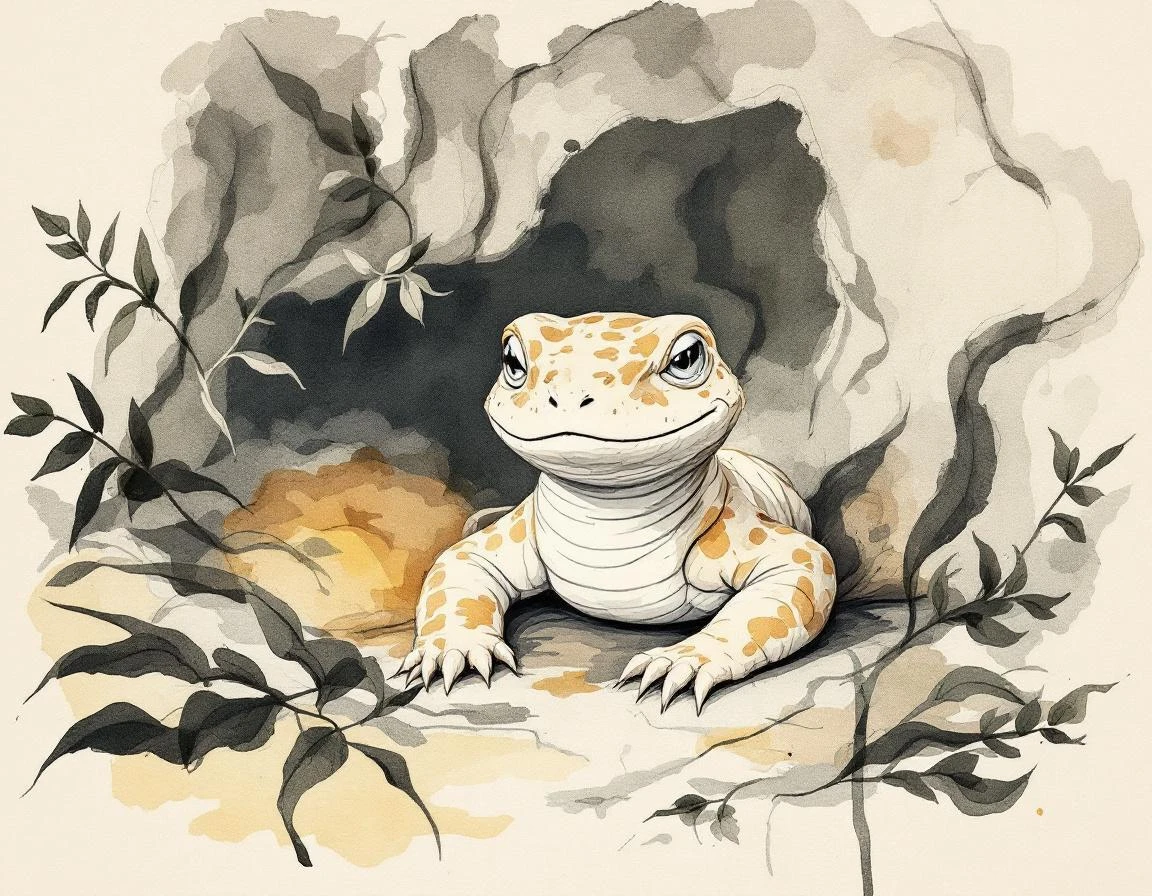
Lizard companions in fiction tend toward the small and manageable - the shoulder-percher, the pocket creature, the gecko that lives in the walls. The chameleon gets used most often because the metaphor is already built in: a character who deals in disguise or adaptation practically announces themselves by keeping one. The gila monster belongs to witch and wizard traditions. The bearded dragon has filtered in through contemporary exotic-pet culture. What most reptile companions share is the signal they send about their keeper: this person maintains animals other people don't, which usually says something about their relationship to convention. In Pullman's *His Dark Materials*, a chameleon dæmon would mark the person who becomes whatever the room needs - socially fluent, possibly untrustworthy, possibly just surviving. A snake dæmon signals wisdom, danger, and comfort with things that make others flinch. The dæmon system makes explicit what reptile companions in other fiction leave for the reader to infer.
Using the Generator
Reptile names in fiction depend heavily on species and setting. A Nile crocodile in ancient Egypt belongs in the Sobek tradition or the naming conventions of pharaonic Egypt. A chameleon familiar in a European witch-tradition story belongs in that tradition. A monitor lizard companion in a Southeast Asian-influenced fantasy should draw from local naming conventions. For pet reptiles in domestic or contemporary fiction - the bearded dragon in a college student's apartment, the ball python in a goth teenager's room - names tend to reflect the owner's subculture: Nagini (inevitable), Medusa, Smaug, Basilisk, Noodle. The name signals which tradition the owner is borrowing from, which tells you something about the owner. For the great serpent or dragon-adjacent reptile edging toward mythological territory - the serpent who guards the treasure, the crocodile who is also a river spirit, the lizard who is the last of its kind - names should carry the weight of what the creature represents. Old names, worn smooth, that don't belong to any one language.
Reptile Names Craft Guide for Role, Behavior, Tone, and Story Use
Reptile names work best when the name grows from the specific companion on the page, rather than from a thin pet-name list. This generator is meant for a reptile companion: a cold-blooded presence shaped by basking, shedding, stillness, scales, patience, and sudden speed. The name should tell the reader how the animal or companion moves through a scene, who named it, and what kind of relationship it has with the characters around it.
Start with Behavior in the Scene
Before choosing a name, picture the companion doing something concrete. Is it guarding a door, stealing food, scouting ahead, refusing a command, comforting a child, or warning the party before anyone else notices danger? Behavior keeps the name from floating free. For reptile names, the best candidates usually point toward a habit the story can prove later.
Use Sound as a Handling Cue
Sound tells the reader how close the bond feels. For this page, listen for sibilants, dry consonants, sun-warmed vowels, and names that move slowly until they strike. A name shouted across a field has different needs than one whispered in a sickroom or written on a brass tag. Test the rhythm in dialogue, especially if the companion appears often. The most useful names can become nicknames without losing their original flavor.
Match the Genre Register
Reptile names can fit desert fantasy, terrarium stories, temple ruins, swamp adventures, and villain-lair reversals. The register changes the name fast. A comic adventure can tolerate brighter, quicker choices. A solemn fantasy may need a name with older texture. A modern setting often benefits from names that sound owned by real people rather than invented for lore. Decide whether the companion is beloved pet, working animal, omen, familiar, mount, scout, mascot, or equal partner before locking in the final sound.
Respect Species, Culture, and Point of View
Avoid using reptile names as shorthand for evil. Species, environment, and behavior should guide the tone. Also ask who gives the name. A child, sailor, witch, scientist, farmer, soldier, priest, shop clerk, or lonely traveler will choose differently. Names become more convincing when they reveal the namer's world as well as the companion's body. If the name borrows from a real language or cultural tradition, give it a reason inside the setting and avoid using that culture as decorative shorthand.
Turn the Shortlist into Story Material
Put three generated options into three scenes: an introduction, a moment of trouble, and a moment of affection or loss. If the name only works in the introduction, it is probably a label rather than a story tool. Keep the reptile name that gives you future uses: a command, a joke, a warning, a title, a rumor, or a memory another character repeats after the companion has changed the course of the plot.
Who Named the Companion Matters
For a reptile, the source of the name changes the whole emotional reading. It might come from the terrarium keeper, desert guide, temple guard, swamp witch, scientist, or patient observer. A practical worker may choose a short call that cuts through noise. A child may choose softness, rhyme, or a private joke. A court or archive may preserve titles and lineage. A rescuer may keep the old name out of respect, while a new owner may rename the companion to mark safety after a bad past. That choice tells the reader who had power when the name was given.
Check the Name across Repeated Use
Because companion names repeat so often, test the reptile choice in ordinary beats as well as dramatic ones. It should work on a tag, in a command, inside a scolding, as a fond nickname, and in a sentence where another character does not understand the bond yet. If the story has sequels, related animals, litters, herds, packs, or familiars, keep notes on the naming logic now. The useful final choice gives you a family of possible names without making every future companion sound copied from the first.