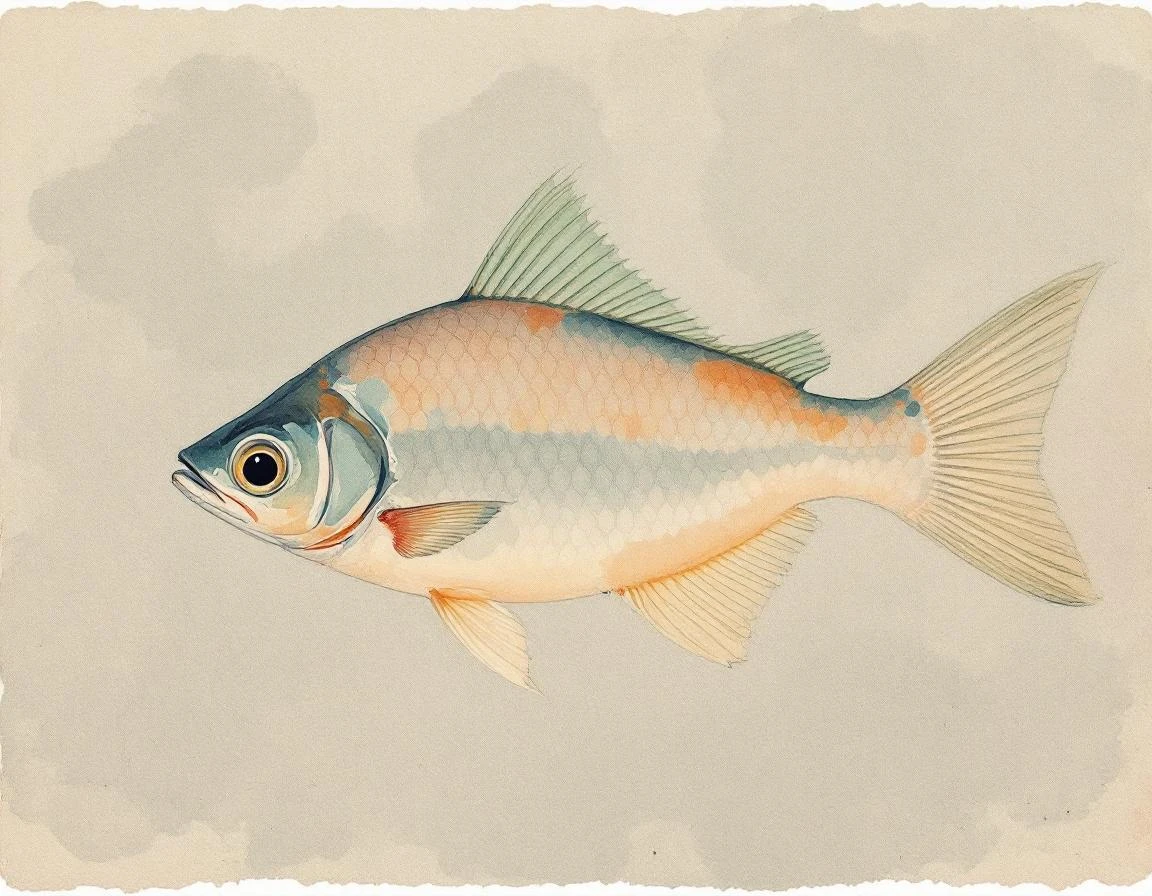


Fish Name Generator - Names for Fish Characters and Companions
Generate fish names drawn from mythology, aquarium tradition, and the quieter corners of ichthyological fiction - for oracle fish, magical carp, deep-sea monsters, and the fish who know what moves at the bottom.
Fish in Myth
Fish appear in mythology as symbols of the unconscious, of things hidden beneath the surface of the visible world. In Hindu mythology, Matsya is the fish avatar of Vishnu - the first avatar, who saved Manu (the Hindu Noah figure) from a great flood. In Buddhism, twin golden fish are one of the Eight Auspicious Signs, representing happiness and freedom from fear. In Norse mythology, when the gods trick Loki into transforming into a salmon to escape capture, the fish-as-prey-who-cannot-escape theme appears. In Celtic mythology, the Salmon of Knowledge (*An Bradán Feasa*) lives in the Well of Wisdom, eating hazelnuts that fall from the sacred trees around it. Whoever eats the salmon gains all knowledge - which is how Fionn mac Cumhaill gains his powers, accidentally burning his thumb on the fish while cooking it for someone else. Koi fish in Japanese and Chinese tradition carry the legend of the Dragon Gate: a carp who swims upstream and leaps the waterfall becomes a dragon. This transformation story - the ordinary creature who achieves the impossible and becomes something else entirely - gives koi and carp names in Eastern tradition an aspirational weight that has no real equivalent in the Western fish tradition.
Fish as Companions in Fiction
Fish companions in fiction occupy an odd position. They can't follow their companion onto land, can't be held, and communicate through behavior rather than sound. You visit the fish; the fish doesn't follow you. That constraint shapes everything about how they function in a story. *Finding Nemo* treats the ocean as a parallel society with its own full social complexity. Dory's short-term memory loss is the central characterization, but the reef, the currents, the darkness of depth matter as much as any individual character. For fictional fish companions, the aquatic environment is almost always part of who the fish is - inseparable from it, really. In portal fantasy and myth, fish tend to appear as oracles. The fish who answers questions from the depths of a sacred pool is a recurring figure across traditions: Pushkin's fish who grants wishes, the fish who knows, the creature below the surface of the ordinary world who understands what the ordinary cannot see.
Using the Generator
For a pet or aquarium fish in domestic fiction, names tend toward the descriptive and affectionate: Bubbles, Fin, Splash, Goldie, Nemo (inevitably). These work for stories where the fish is a background companion - present, named, part of the setting, but not a principal character. For a magical or mythological fish - the salmon of knowledge, the koi who becomes a dragon, the oracle fish of a sacred pool - names should carry more weight. Names from the tradition the fish belongs to: *Feasa* (knowledge, Irish), *Lóng* (dragon, Chinese, for a koi who is becoming), *Dagon* (the Philistine fish-god, for something darker). For deep-sea fish in horror or cosmic contexts, names should feel alien. Deep-sea fish are genuinely strange: the bioluminescent anglerfish, the barreleye with its transparent head, the fangtooth whose teeth are too large for its mouth to close. These fish don't read as companions. They read as things that exist in conditions where nothing you know applies.
Fish Names Craft Guide for Role, Behavior, Tone, and Story Use
Fish names work best when the name grows from the specific companion on the page, rather than from a thin pet-name list. This generator is meant for a fish companion: a water-bound presence that can be jewel-bright, eerie, lucky, silent, transformed, or impossible to hold. The name should tell the reader how the animal or companion moves through a scene, who named it, and what kind of relationship it has with the characters around it.
Start with Behavior in the Scene
Before choosing a name, picture the companion doing something concrete. Is it guarding a door, stealing food, scouting ahead, refusing a command, comforting a child, or warning the party before anyone else notices danger? Behavior keeps the name from floating free. For fish names, the best candidates usually point toward a habit the story can prove later.
Use Sound as a Handling Cue
Sound tells the reader how close the bond feels. For this page, listen for liquid vowels, bubble sounds, silver consonants, and names that shimmer without becoming unreadable. A name shouted across a field has different needs than one whispered in a sickroom or written on a brass tag. Test the rhythm in dialogue, especially if the companion appears often. The most useful names can become nicknames without losing their original flavor.
Match the Genre Register
Fish Names can fit aquarium stories, mermaid kingdoms, river spirits, science labs, and dreamlike fantasy. The register changes the name fast. A comic adventure can tolerate brighter, quicker choices. A solemn fantasy may need a name with older texture. A modern setting often benefits from names that sound owned by real people rather than invented for lore. Decide whether the companion is beloved pet, working animal, omen, familiar, mount, scout, mascot, or equal partner before locking in the final sound.
Respect Species, Culture, and Point of View
Do not make every fish name a pun. Color, current, species, tank life, and mythic water all offer stronger choices. Also ask who gives the name. A child, sailor, witch, scientist, farmer, soldier, priest, shop clerk, or lonely traveler will choose differently. Names become more convincing when they reveal the namer's world as well as the companion's body. If the name borrows from a real language or cultural tradition, give it a reason inside the setting and avoid using that culture as decorative shorthand.
Turn the Shortlist into Story Material
Put three generated options into three scenes: an introduction, a moment of trouble, and a moment of affection or loss. If the name only works in the introduction, it is probably a label rather than a story tool. Keep the fish name that gives you future uses: a command, a joke, a warning, a title, a rumor, or a memory another character repeats after the companion has changed the course of the plot.
Who Named the Companion Matters
For a fish, the source of the name changes the whole emotional reading. It might come from the aquarist, river spirit, merfolk child, laboratory note, fisherman, or dreamer beside the tank. A practical worker may choose a short call that cuts through noise. A child may choose softness, rhyme, or a private joke. A court or archive may preserve titles and lineage. A rescuer may keep the old name out of respect, while a new owner may rename the companion to mark safety after a bad past. That choice tells the reader who had power when the name was given.
Check the Name across Repeated Use
Because companion names repeat so often, test the fish choice in ordinary beats as well as dramatic ones. It should work on a tag, in a command, inside a scolding, as a fond nickname, and in a sentence where another character does not understand the bond yet. If the story has sequels, related animals, litters, herds, packs, or familiars, keep notes on the naming logic now. The useful final choice gives you a family of possible names without making every future companion sound copied from the first.