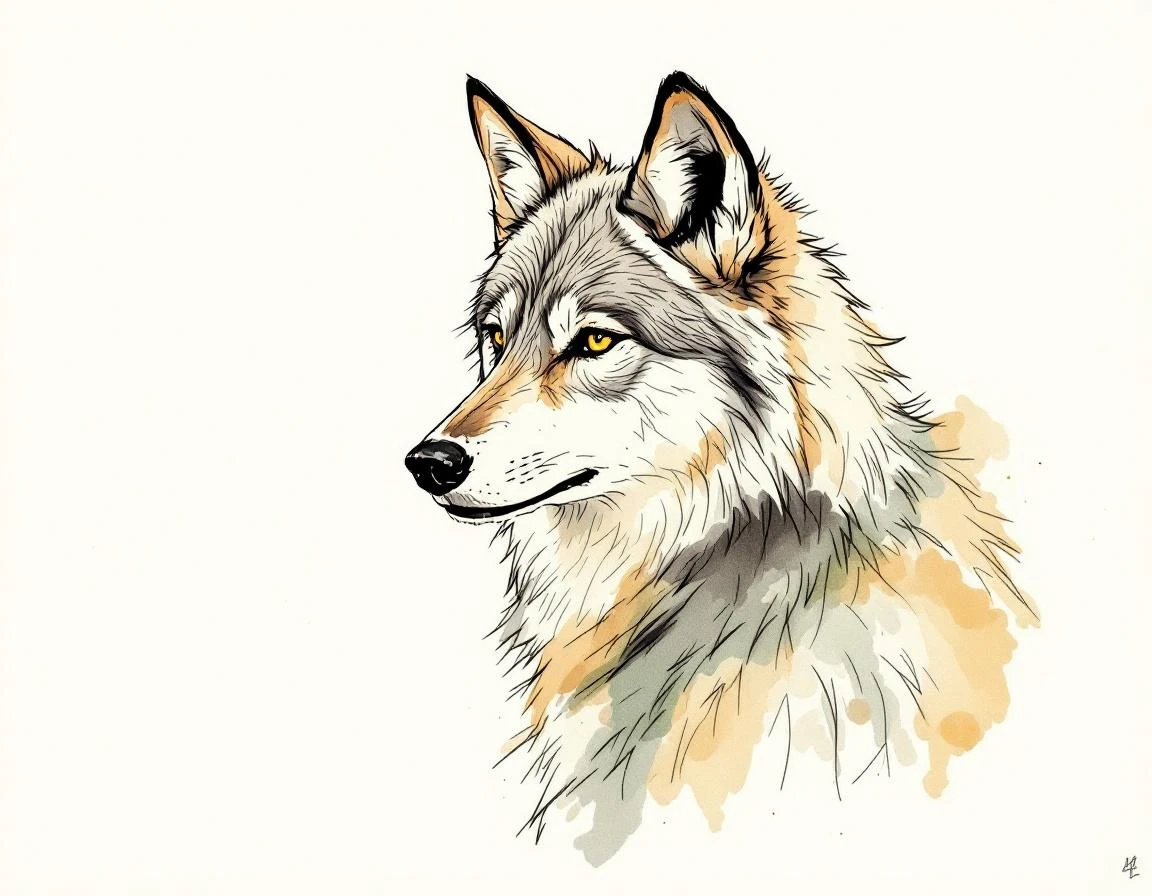

Wolf Name Generator - Names for Wolf Characters and Companions
Generate wolf names drawn from mythology, pack behavior, and centuries of wolves in human storytelling - for direwolves, shapeshifters, wolf spirits, and the wolves that pace the edge of the firelight.
Wolves in Mythology
Wolves appear in human mythology as both destroyer and protector. In Norse mythology, Fenrir is the great wolf who will swallow Odin at Ragnarök - bound by the gods with a chain made from impossible things (the sound of a cat's footstep, the beard of a woman, the roots of a mountain). Skoll and Hati chase the sun and moon across the sky. These are wolves as cosmic forces, not animals but embodiments of inevitable things. In Roman mythology, the she-wolf who nursed Romulus and Remus is the foundation of Rome itself. The wolf who feeds the founders of civilization is not the wolf of the wilderness but the wolf as fierce mother, as wild provider. This gave the wolf a dual nature in European culture that never fully resolved: the wolf who threatens the flock and the wolf who builds nations. In the cultures of the Great Plains - Lakota, Blackfoot, Comanche - the wolf was a teacher of hunting strategy, a figure of intelligence and family structure rather than threat. Wolf medicine meant patience, stamina, and the ability to read terrain. These traditions give wolf names a different register: names about qualities of mind rather than ferocity.
Direwolves, Wargs, and Fantasy Wolves
The direwolf of fantasy fiction draws on Pleistocene megafauna - *Canis dirus*, an actual prehistoric wolf larger than any modern species, extinct around 10,000 years ago. George R.R. Martin's direwolves in *A Song of Ice and Fire* are the most prominent recent example: each Stark child's wolf reflects and amplifies the child's own nature. Ghost is white and silent. Grey Wind is fierce and war-keen. Lady is gentle. Nymeria leads a pack. Tolkien's wargs are something different: wolves allied with orcs, servants of evil, who speak and plot. The *Lord of the Rings* tradition treats wolves as potentially corrupted by dark power, which gives wolf antagonists a specific menace. They are dangerous animals with intent. For RPG companions, a wolf's name often signals the character class and the relationship. A ranger's wolf named Ash reads as a working partner. One named Carnage reads as a different kind of ranger. One named Winter reads as someone who thinks of their wolf as a spirit as much as an animal.
Using the Generator
The real distinction when naming a wolf character is social: does this wolf belong to a pack, or has it left one? A pack wolf has a position - packmate, hunting partner, rival for rank. A lone wolf, in the ecological sense, is a disperser between worlds, neither fully belonging nor fully free. That liminal state should show in the name. For shapeshifters - werewolves, skinwalkers, Animagi - the wolf name and the human name can either echo each other or split. Sebastian Grau whose wolf-form is Grey is one continuous self. Edmund Price whose wolf-form is Nothing More is two selves in conflict, and that tension is already a story. For spiritual and totem contexts, wolf names tend to draw from what various traditions have observed in actual wolves: patience (a wolf can lope at six miles per hour for hours without stopping), fierce family loyalty, the capacity to teach younger pack members. The generator can work in any of these registers.
Wolf Names Craft Guide for Role, Behavior, Tone, and Story Use
Wolf names work best when the name grows from the specific companion on the page, rather than from a thin pet-name list. This generator is meant for a wolf companion: a pack-minded, sharp-sensed companion tied to wilderness, loyalty, threat, hunger, hierarchy, and myth. The name should tell the reader how the animal or companion moves through a scene, who named it, and what kind of relationship it has with the characters around it.
Start with Behavior in the Scene
Before choosing a name, picture the companion doing something concrete. Is it guarding a door, stealing food, scouting ahead, refusing a command, comforting a child, or warning the party before anyone else notices danger? Behavior keeps the name from floating free. For wolf names, the best candidates usually point toward a habit the story can prove later.
Use Sound as a Handling Cue
Sound tells the reader how close the bond feels. For this page, listen for low vowels, clean consonants, howl-friendly names, and sounds that carry through trees. A name shouted across a field has different needs than one whispered in a sickroom or written on a brass tag. Test the rhythm in dialogue, especially if the companion appears often. The most useful names can become nicknames without losing their original flavor.
Match the Genre Register
Wolf names can fit northern fantasy, survival stories, werewolf-adjacent lore, ranger travel, and clan epics. The register changes the name fast. A comic adventure can tolerate brighter, quicker choices. A solemn fantasy may need a name with older texture. A modern setting often benefits from names that sound owned by real people rather than invented for lore. Decide whether the companion is beloved pet, working animal, omen, familiar, mount, scout, mascot, or equal partner before locking in the final sound.
Respect Species, Culture, and Point of View
Avoid using wolves as vague noble wildness. Pack structure, fear, ecology, and human conflict should shape the name. Also ask who gives the name. A child, sailor, witch, scientist, farmer, soldier, priest, shop clerk, or lonely traveler will choose differently. Names become more convincing when they reveal the namer's world as well as the companion's body. If the name borrows from a real language or cultural tradition, give it a reason inside the setting and avoid using that culture as decorative shorthand.
Turn the Shortlist into Story Material
Put three generated options into three scenes: an introduction, a moment of trouble, and a moment of affection or loss. If the name only works in the introduction, it is probably a label rather than a story tool. Keep the wolf name that gives you future uses: a command, a joke, a warning, a title, a rumor, or a memory another character repeats after the companion has changed the course of the plot.
Who Named the Companion Matters
For a wolf, the source of the name changes the whole emotional reading. It might come from the pack, ranger, exile, clan elder, survivor, or person who mistakes alliance for ownership. A practical worker may choose a short call that cuts through noise. A child may choose softness, rhyme, or a private joke. A court or archive may preserve titles and lineage. A rescuer may keep the old name out of respect, while a new owner may rename the companion to mark safety after a bad past. That choice tells the reader who had power when the name was given.
Check the Name across Repeated Use
Because companion names repeat so often, test the wolf choice in ordinary beats as well as dramatic ones. It should work on a tag, in a command, inside a scolding, as a fond nickname, and in a sentence where another character does not understand the bond yet. If the story has sequels, related animals, litters, herds, packs, or familiars, keep notes on the naming logic now. The useful final choice gives you a family of possible names without making every future companion sound copied from the first.