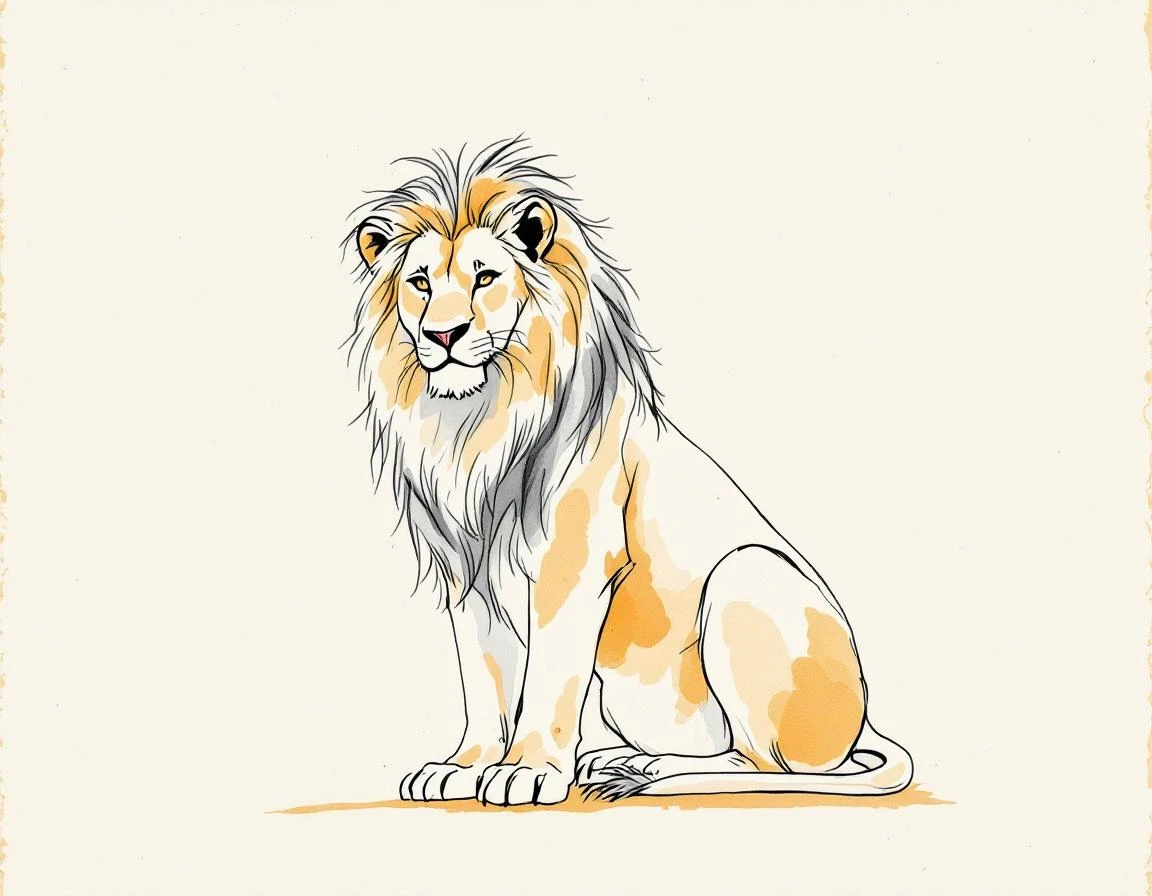

Lion Name Generator - Names for Lion Characters and Companions
Lions have been named, worshipped, and carved into stone for longer than most civilizations have existed. The Egyptians gave them to Sekhmet and Maahes. The Mesopotamians set them at city gates. Medieval heraldry built entire visual languages around their postures. If you're writing a lion character, you're inheriting all of that. The generator draws from that inheritance: Swahili and Arabic root words, Latin epithets from Roman heraldry, names from the great lion myths - Nemean, Aslan, Arash. It also reaches into less obvious territory, the naming traditions of Persia, Ethiopia, and the Vedic texts, where lions appear not as symbols of brute strength but of divine judgment. Use it for a pride elder with a name that sounds like it was spoken before your world had writing. Use it for a war-companion whose name carries the weight of a lineage. Use it for the young cub who doesn't know yet what her name means.
Lions in Mythology and Symbol
The lion was the apex predator of the ancient world across an enormous range: northern Africa, the Middle East, India, and into Southeast Europe (lions went extinct in Greece around 100 CE, long after the mythology was established). Every culture in that range developed lion traditions, and nearly all of them converge on the same core meaning: strength, sovereignty, and divine protection. In Mesopotamian mythology, Ishtar/Inanna stood on lions; the Ishtar Gate of Babylon was covered in lion reliefs. In Egyptian mythology, Sekhmet is lion-headed, goddess of war and healing. The sphinx is a lion-bodied figure of wisdom and protection. The Lion of Judah is a symbol of the tribe of Judah and of Christ in both Jewish and Christian tradition. Aslan in C.S. Lewis's *Narnia* draws directly from this lineage: a divine lion who creates the world through song and sacrifices himself for a traitor. In heraldry, the lion (*rampant*, *passant*, *guardant*) was the most common charge in European coats of arms, representing England (three golden lions on red), Scotland (red lion on gold), the Holy Roman Empire. The heraldic tradition gave lions a vocabulary of names: Richard I was *Coeur de Lion*, Lion-Heart. Pride, courage, and the willingness to fight are the core of the lion's symbolic vocabulary.
Literary Lions
Aslan in *The Chronicles of Narnia* is the most fully realized lion character in 20th-century fantasy - a figure who is simultaneously Narnian creator-god, sacrificial savior, and wild thing who cannot be tamed. Lewis's repeated insistence that Aslan is not safe but is good sits at the heart of the character: genuine power that does not owe you comfort. His name comes from the Turkish word for lion. Scar in *The Lion King* (itself adapted from *Hamlet*) shows the lion as political actor - the king's brother who understands that a scar marks him as permanently outside the succession and acts on that with cold strategy. The name "Scar" is the scar: his defining characteristic is his wound and the resentment it produced. In Philip Pullman's work, the alethiometer shows a lion when representing strength or power. Lions appear in *His Dark Materials* as the dæmons of warriors and kings. The long tradition gives authors reliable shortcuts: a lion companion signals that the protagonist is someone marked by the story - with a destiny, a heritage, or a quality that the lion recognized.
Using the Generator
Lion names in fiction should carry the lion's weight. A companion with a small, comfortable name creates ironic contrast - a small name for enormous presence. A grand, heraldic name simply confirms the expected. The choice between these registers says something about the story's relationship to tradition. For African settings drawing from Swahili or Bantu traditions, names from those languages carry specific cultural meaning. *Simba* means "lion" in Swahili, which makes it a description as much as a name. Names from oral tradition and history run richer: Nyumbu, Suluhisha, Amani (peace - a powerful ironic choice for a lion). For divine or semi-divine lions in fantasy, the name should feel like something spoken for a very long time, worn smooth by use, without sharp edges, belonging to no particular language because it predates all of them.
Lion Names Craft Guide for Role, Behavior, Tone, and Story Use
Lion names work best when the name grows from the specific companion on the page, rather than from a thin pet-name list. This generator is meant for a lion companion: a regal predator associated with pride, heat, courage, danger, guardianship, and public symbolism. The name should tell the reader how the animal or companion moves through a scene, who named it, and what kind of relationship it has with the characters around it.
Start with Behavior in the Scene
Before choosing a name, picture the companion doing something concrete. Is it guarding a door, stealing food, scouting ahead, refusing a command, comforting a child, or warning the party before anyone else notices danger? Behavior keeps the name from floating free. For lion names, the best candidates usually point toward a habit the story can prove later.
Use Sound as a Handling Cue
Sound tells the reader how close the bond feels. For this page, listen for roaring vowels, sun-warmed consonants, title-like shapes, and names with ceremonial gravity. A name shouted across a field has different needs than one whispered in a sickroom or written on a brass tag. Test the rhythm in dialogue, especially if the companion appears often. The most useful names can become nicknames without losing their original flavor.
Match the Genre Register
Lion Names can fit desert kingdoms, heraldic fantasy, arena stories, divine guardians, and savanna quests. The register changes the name fast. A comic adventure can tolerate brighter, quicker choices. A solemn fantasy may need a name with older texture. A modern setting often benefits from names that sound owned by real people rather than invented for lore. Decide whether the companion is beloved pet, working animal, omen, familiar, mount, scout, mascot, or equal partner before locking in the final sound.
Respect Species, Culture, and Point of View
Avoid making every lion noble. Pride politics, hunger, captivity, age, and scars can make the name more specific. Also ask who gives the name. A child, sailor, witch, scientist, farmer, soldier, priest, shop clerk, or lonely traveler will choose differently. Names become more convincing when they reveal the namer's world as well as the companion's body. If the name borrows from a real language or cultural tradition, give it a reason inside the setting and avoid using that culture as decorative shorthand.
Turn the Shortlist into Story Material
Put three generated options into three scenes: an introduction, a moment of trouble, and a moment of affection or loss. If the name only works in the introduction, it is probably a label rather than a story tool. Keep the lion name that gives you future uses: a command, a joke, a warning, a title, a rumor, or a memory another character repeats after the companion has changed the course of the plot.
Who Named the Companion Matters
For a lion, the source of the name changes the whole emotional reading. It might come from the pride, royal court, arena keeper, desert prophet, hunter, or companion brave enough to stand near. A practical worker may choose a short call that cuts through noise. A child may choose softness, rhyme, or a private joke. A court or archive may preserve titles and lineage. A rescuer may keep the old name out of respect, while a new owner may rename the companion to mark safety after a bad past. That choice tells the reader who had power when the name was given.
Check the Name across Repeated Use
Because companion names repeat so often, test the lion choice in ordinary beats as well as dramatic ones. It should work on a tag, in a command, inside a scolding, as a fond nickname, and in a sentence where another character does not understand the bond yet. If the story has sequels, related animals, litters, herds, packs, or familiars, keep notes on the naming logic now. The useful final choice gives you a family of possible names without making every future companion sound copied from the first.