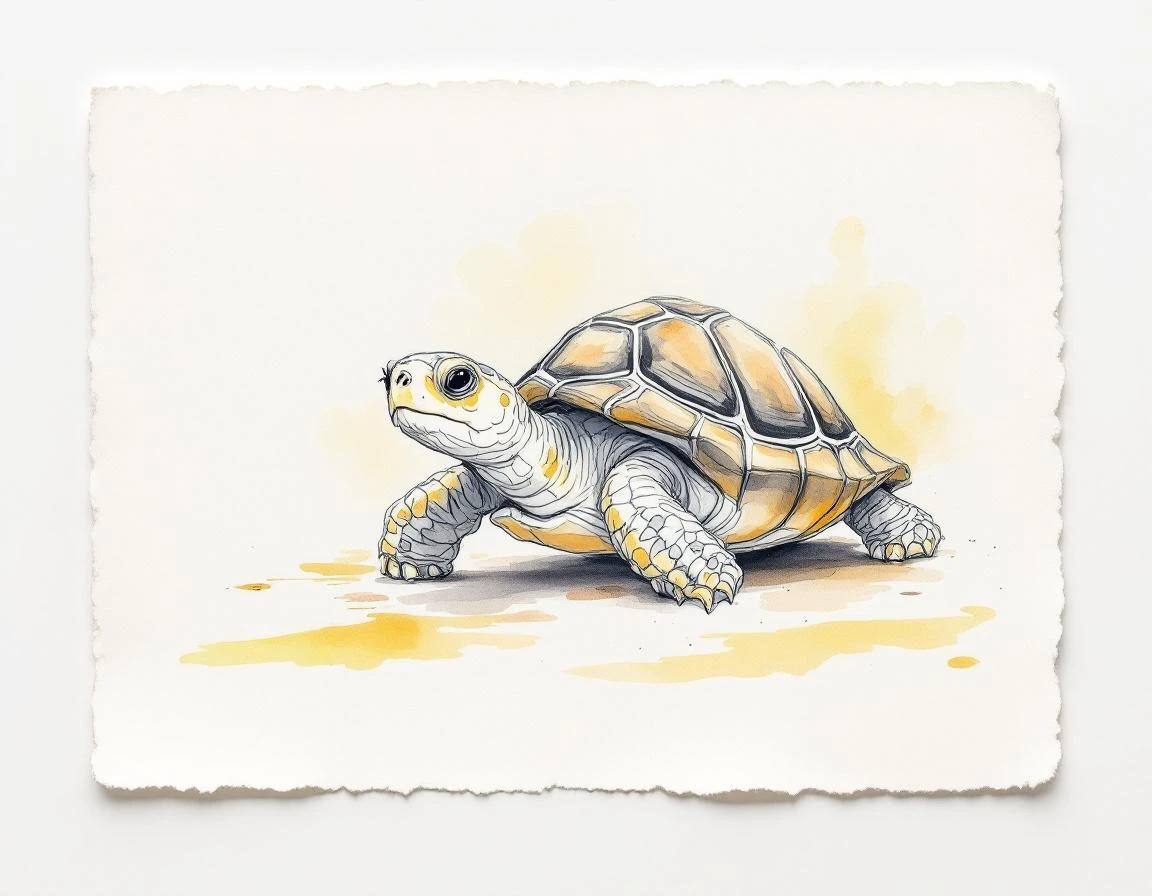


Turtle Name Generator - Names for Turtle and Tortoise Characters
Turtles carry weight - sometimes literally. Generate names for the World Turtle bearing the earth on its back, the pet tortoise that outlives everyone who named it, or the river spirits of East Asian tradition.
World Turtles and Cosmic Tortoises
The World Turtle appears in multiple independent mythological traditions: in Hindu mythology, Akupara (or Kurma, the turtle avatar of Vishnu) supports the world; in Haudenosaunee (Iroquois) cosmology, North America is "Turtle Island," the back of a great turtle swimming in the cosmic sea; Terry Pratchett's Discworld drew from this same actual myth. The cross-cultural convergence is striking. A creature who carries its house, who has weight and permanence, who survives by patience rather than speed - the turtle keeps appearing as foundation because it looks like one. Kurma, the second avatar of Vishnu, takes tortoise form during the churning of the cosmic ocean (*samudra manthan*) so that the churning stick (Mount Mandara) rests on his back rather than sinking into the ocean floor. He supports the process by which the gods and demons together produce the gifts of the world, including the goddess Lakshmi who rises from the churned sea. The tortoise here is not passive but actively enabling: everything emerges from what his endurance makes possible. In Chinese mythology, Xuanwu (the Black Tortoise of the North, one of the Four Symbols) is depicted as a tortoise intertwined with a serpent, associated with winter, water, and the north. In Taoism, Xuanwu is a deity of martial arts and war - the tortoise and serpent together representing the combination of defense and offense.
Tortoises in Literature
The tortoise in Aesop's fable beats the hare - the most famous slow-and-steady story in the Western tradition. Some retellings give the tortoise a name; the original doesn't bother. The fable's logic is that the tortoise's nature *is* the story. What the tortoise is called matters less than what it does. The tortoise in Pratchett's *Small Gods* is Om, a god reduced to a tortoise body and forced to relearn his theology from the dirt. Pratchett understood something true about tortoise names: the gap between the creature's ancient, patient associations and the small domestic animal crossing the carpet is inherently comic. Slightly absurd names suit tortoises. The dignity and the ridiculousness reinforce each other. For a different kind of tortoise - the world-foundation kind, the Great A'Tuin carrying everything on its back - the naming logic inverts. A name that sounds like it predates language, or that comes from the oldest stratum of whatever tradition you're drawing on, fits a creature that was there before the rest of the story began.
Using the Generator
Tortoise and turtle names in fiction tend to work by exploiting the gap between cosmic scale and domestic reality. A tortoise who has been alive for 150 years and knows more history than any living human, but who moves at tortoise pace and eats lettuce, is already a comic, odd combination. Names that lean into the cosmic (Akupara, Kurma, Xuanwu) sit in deliberate contrast with names that lean into the domestic (Lettuce, Slow, Pebble, Tank). For pet tortoises in contemporary or domestic fiction, names tend toward affectionate descriptors or ironic grandeur: Speedy (ironic by definition), Leonardo, Donatello (after the Ninja Turtles, who are technically terrapin), Darwin (Darwin kept giant tortoises on the Galapagos, and many of the tortoises there today descend from animals his expedition encountered). Sea turtles carry different mythological weight than land tortoises - more often connected to ocean spirits and navigation than to world-bearing or longevity. Polynesian and Pacific Island traditions give marine turtles a specific ceremonial status, and names from those traditions create the right register for Pacific-influenced settings.
Turtle Names Craft Guide for Role, Behavior, Tone, and Story Use
Turtle names work best when the name grows from the specific companion on the page, rather than from a thin pet-name list. This generator is meant for a turtle companion: a slow, armored, long-lived companion tied to patience, water edges, burdens, memory, and deliberate movement. The name should tell the reader how the animal or companion moves through a scene, who named it, and what kind of relationship it has with the characters around it.
Start with Behavior in the Scene
Before choosing a name, picture the companion doing something concrete. Is it guarding a door, stealing food, scouting ahead, refusing a command, comforting a child, or warning the party before anyone else notices danger? Behavior keeps the name from floating free. For turtle names, the best candidates usually point toward a habit the story can prove later.
Use Sound as a Handling Cue
Sound tells the reader how close the bond feels. For this page, listen for rounded syllables, shell-heavy names, old vowels, and sounds that can be carried slowly. A name shouted across a field has different needs than one whispered in a sickroom or written on a brass tag. Test the rhythm in dialogue, especially if the companion appears often. The most useful names can become nicknames without losing their original flavor.
Match the Genre Register
Turtle names can fit mythic world-turtles, pond stories, desert journeys, schoolroom pets, and wise comic guides. The register changes the name fast. A comic adventure can tolerate brighter, quicker choices. A solemn fantasy may need a name with older texture. A modern setting often benefits from names that sound owned by real people rather than invented for lore. Decide whether the companion is beloved pet, working animal, omen, familiar, mount, scout, mascot, or equal partner before locking in the final sound.
Respect Species, Culture, and Point of View
Avoid making slowness the whole joke. Protection, age, navigation, endurance, and home-carried-on-the-back are stronger sources. Also ask who gives the name. A child, sailor, witch, scientist, farmer, soldier, priest, shop clerk, or lonely traveler will choose differently. Names become more convincing when they reveal the namer's world as well as the companion's body. If the name borrows from a real language or cultural tradition, give it a reason inside the setting and avoid using that culture as decorative shorthand.
Turn the Shortlist into Story Material
Put three generated options into three scenes: an introduction, a moment of trouble, and a moment of affection or loss. If the name only works in the introduction, it is probably a label rather than a story tool. Keep the turtle name that gives you future uses: a command, a joke, a warning, a title, a rumor, or a memory another character repeats after the companion has changed the course of the plot.
Who Named the Companion Matters
For a turtle, the source of the name changes the whole emotional reading. It might come from the pond keeper, sailor, schoolroom, pilgrim, world-myth priest, or patient child. A practical worker may choose a short call that cuts through noise. A child may choose softness, rhyme, or a private joke. A court or archive may preserve titles and lineage. A rescuer may keep the old name out of respect, while a new owner may rename the companion to mark safety after a bad past. That choice tells the reader who had power when the name was given.
Check the Name across Repeated Use
Because companion names repeat so often, test the turtle choice in ordinary beats as well as dramatic ones. It should work on a tag, in a command, inside a scolding, as a fond nickname, and in a sentence where another character does not understand the bond yet. If the story has sequels, related animals, litters, herds, packs, or familiars, keep notes on the naming logic now. The useful final choice gives you a family of possible names without making every future companion sound copied from the first.