
Pet Dragon Name Generator - Names for Small Dragon Companions
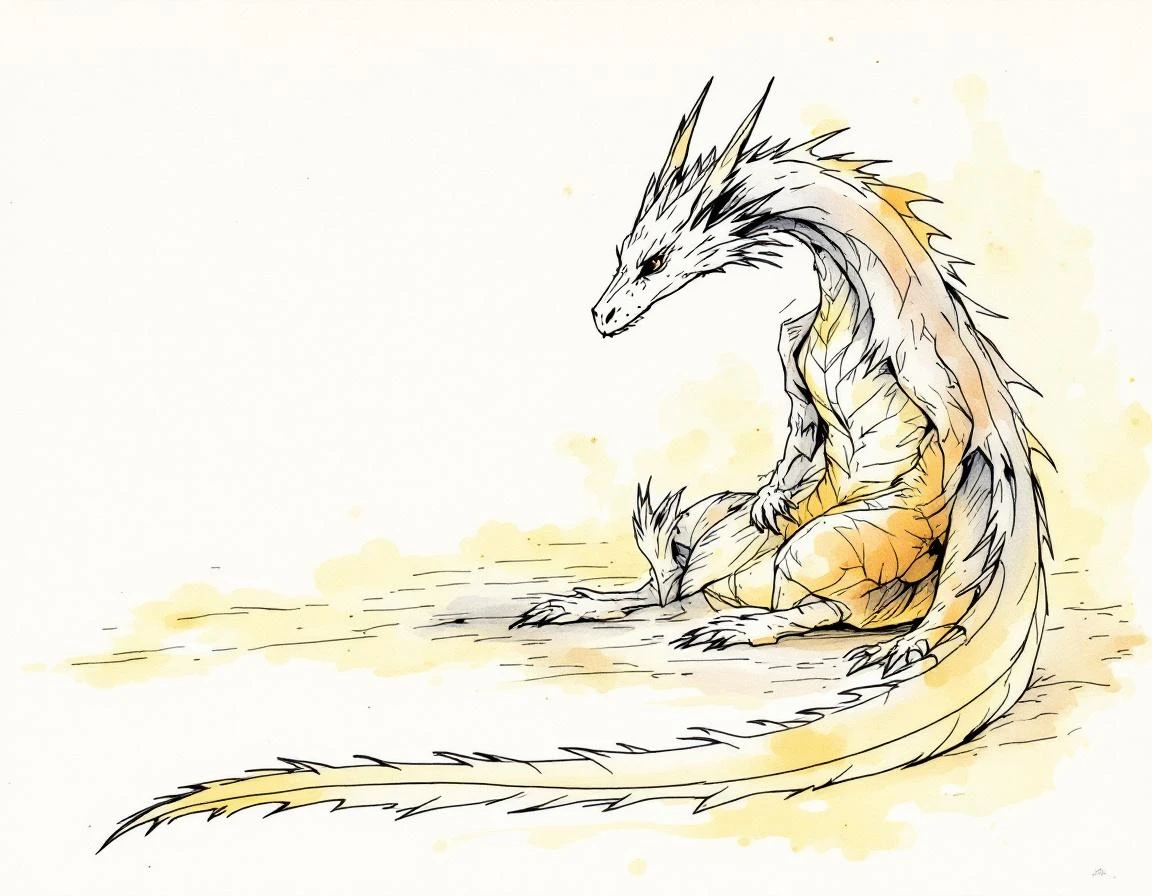
Small dragons have their own naming logic, separate from the ancient wyrms of high fantasy. Tolkien's Smaug and Le Guin's Orm Embar carry names built for dread and permanence. A pocket dragon, a shoulder-perched companion, needs something different: a name that fits in the mouth, that a character might call across a room. The generator pulls from diminutive traditions across several naming registers - Celtic pet-names, Latinate diminutives, the clipped Anglo-Saxon forms that show up in medieval bestiaries alongside creatures far stranger than dragons. It also draws on the logic of animal naming: the way people actually name cats and corvids and ferrets, which tends toward the short, the slightly absurd, the oddly dignified. Use it for familiars, bonded companions, hatchlings still finding their temperament, or the elderly shop dragon who has outlived three owners and knows it.
The Small Dragon in Fantasy Tradition
Small dragons have a long parallel life in fantasy alongside the great hoarding wyrms. The dragonet, the faerie dragon, the pseudodragon, the fire lizard - these are creatures scaled down in size and in the nature of their relationship to humans. They exist to bond. To be owned and to own in return. In Dungeons & Dragons, the pseudodragon is one of the classic familiars for arcane spellcasters - roughly the size of a large cat, telepathically linked to its companion, with a venomous tail sting that induces sleep. What distinguishes it from a summoned familiar is that it chooses. The bond is mutual and explicit. That small shift in agency changes everything about what the relationship means narratively. Anne McCaffrey's fire lizards in the Pern series work similarly. They are small, empathic, color-coded by function, initially feral - and bondable through the same Impression that joins riders to full-sized dragons. McCaffrey characterizes them as emotional amplifiers: they feel what their bond-partner feels, but turned up. The relationship runs hotter than most human ones, which is where the series finds much of its tension.
Dragon Color and Element in Naming
Dragon color carries more meaning than aesthetics in most fantasy traditions. In the chromatic D&D lineage, red means fire, greed, and dominance; the names follow - harsh vowels, fire-word roots, nothing soft. Blue is lightning and cold distance. Green is poison and cunning, and the names tend to curl and hiss accordingly. For a small companion, that color association does immediate characterization work. On Pern, a golden fire lizard signals the highest status; brown is the reliable working companion; green is common. A writer building their own system can assign whatever associations the story needs - the color coding is part of the world-building, not a rule inherited from somewhere else. Non-Western traditions offer different frameworks entirely. A Chinese-tradition dragonet might be a *jiaolong* (a lesser dragon) or a *panlóng* - a coiling dragon who has not yet ascended - associated with water and latent potential rather than fire and present power. A Japanese-tradition small dragon (*tatsu*) in a domestic setting might be a diminutive *ryū*, carrying associations with water shrines rather than war.
Using the Generator
Pet dragon names live in the gap between what a creature is and where it lives. A tiny dragon named Pyrros (Greek for fire) is earnest. Ember works. Infernus is trying too hard, and the dragon knows it. For the telepathically bonded dragon - one linked to a specific person, aware of their emotional state, mirroring it - the name often arrives at the moment of bonding, given in a state of high feeling. These names tend to be simpler than invented dragon names: shorter, warmer, the word that came before the person had time to think. In urban fantasy or contemporary settings, the dragon who shares an apartment and passes as a very unusual lizard, the familiar in a modern witch's practice, the name should hold the magical and the mundane in tension. A dragon named Dennis in a world where dragons are ordinary is a different kind of story than one named Ignis. Both are valid choices, and they open different doors.
Pet Dragon Names Craft Guide for Role, Behavior, Tone, and Story Use
Pet dragon names work best when the name grows from the specific companion on the page, rather than from a thin pet-name list. This generator is meant for a dragon companion: a scaled companion with mythic force scaled down into bond, mischief, appetite, hoarding, flight, and heat. The name should tell the reader how the animal or companion moves through a scene, who named it, and what kind of relationship it has with the characters around it.
Start with Behavior in the Scene
Before choosing a name, picture the companion doing something concrete. Is it guarding a door, stealing food, scouting ahead, refusing a command, comforting a child, or warning the party before anyone else notices danger? Behavior keeps the name from floating free. For pet dragon names, the best candidates usually point toward a habit the story can prove later.
Use Sound as a Handling Cue
Sound tells the reader how close the bond feels. For this page, listen for smoke-heavy consonants, ember vowels, sharp diminutives, and names that can be cute or dangerous. A name shouted across a field has different needs than one whispered in a sickroom or written on a brass tag. Test the rhythm in dialogue, especially if the companion appears often. The most useful names can become nicknames without losing their original flavor.
Match the Genre Register
Pet dragon names can fit high fantasy, academy stories, dragon rider sagas, cozy magic, and treasure-room comedy. The register changes the name fast. A comic adventure can tolerate brighter, quicker choices. A solemn fantasy may need a name with older texture. A modern setting often benefits from names that sound owned by real people rather than invented for lore. Decide whether the companion is beloved pet, working animal, omen, familiar, mount, scout, mascot, or equal partner before locking in the final sound.
Respect Species, Culture, and Point of View
Avoid making the pet dragon either only adorable or only majestic. The best names keep both scales and household trouble in view. Also ask who gives the name. A child, sailor, witch, scientist, farmer, soldier, priest, shop clerk, or lonely traveler will choose differently. Names become more convincing when they reveal the namer's world as well as the companion's body. If the name borrows from a real language or cultural tradition, give it a reason inside the setting and avoid using that culture as decorative shorthand.
Turn the Shortlist into Story Material
Put three generated options into three scenes: an introduction, a moment of trouble, and a moment of affection or loss. If the name only works in the introduction, it is probably a label rather than a story tool. Keep the pet dragon name that gives you future uses: a command, a joke, a warning, a title, a rumor, or a memory another character repeats after the companion has changed the course of the plot.
Who Named the Companion Matters
For a pet dragon, the source of the name changes the whole emotional reading. It might come from the rider, academy student, hatchery, treasure keeper, village, or child sweeping soot from the curtains. A practical worker may choose a short call that cuts through noise. A child may choose softness, rhyme, or a private joke. A court or archive may preserve titles and lineage. A rescuer may keep the old name out of respect, while a new owner may rename the companion to mark safety after a bad past. That choice tells the reader who had power when the name was given.
Check the Name across Repeated Use
Because companion names repeat so often, test the pet dragon choice in ordinary beats as well as dramatic ones. It should work on a tag, in a command, inside a scolding, as a fond nickname, and in a sentence where another character does not understand the bond yet. If the story has sequels, related animals, litters, herds, packs, or familiars, keep notes on the naming logic now. The useful final choice gives you a family of possible names without making every future companion sound copied from the first.