
Mouse Name Generator - Names for Mouse and Rat Characters
Generate mouse and rat names drawn from fable, children's literature, and the long history of rodents who outlive every civilization that tries to exclude them.
Mice and Rats in Symbolism
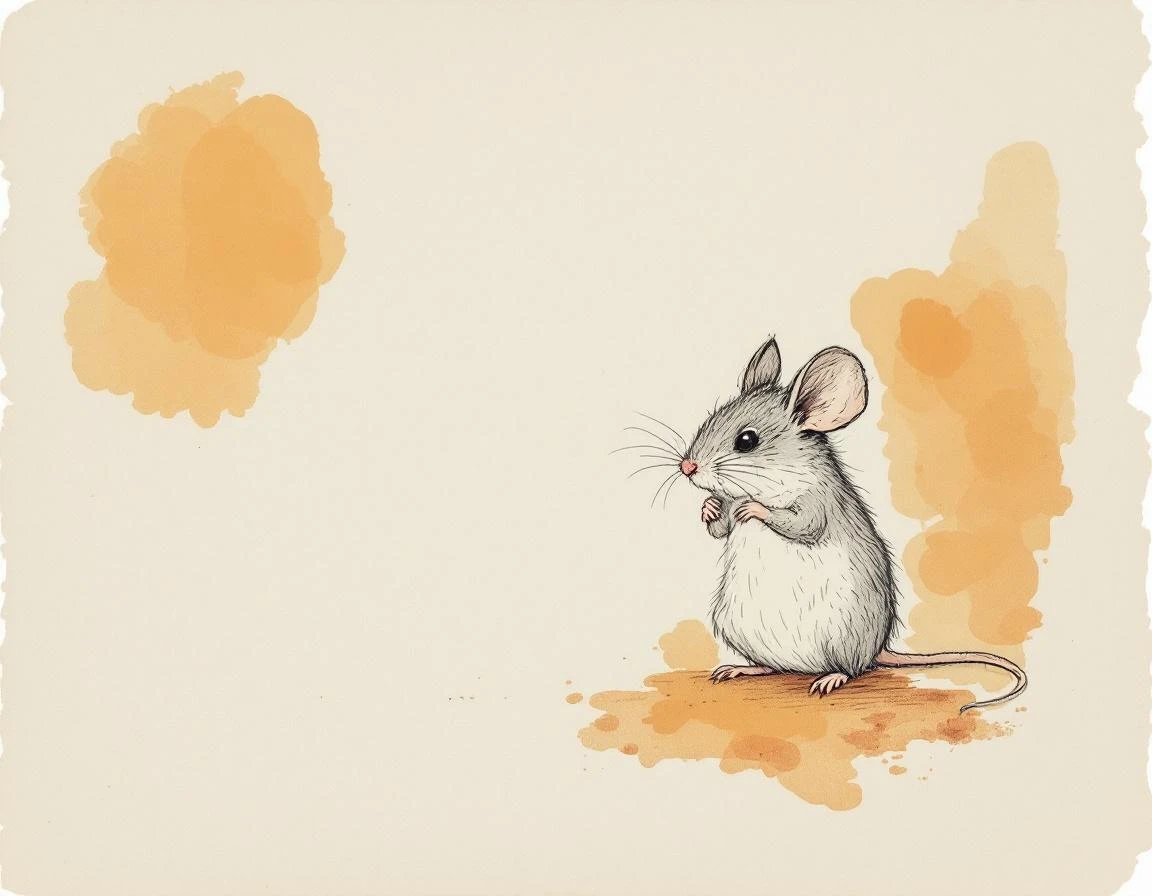
Mice and rats have lived alongside humans for as long as humans have stored grain - since the beginning of agriculture. They are our oldest urban coinhabitants, and cultures have responded to their presence with a full range of mythological interpretations. In the Chinese zodiac, the Rat is the first sign: clever, adaptable, the one who won the race by hitching a ride on the Ox and jumping off at the finish line. Not the most powerful, but the most strategically intelligent. Japanese tradition venerates the white rat as the messenger of Daikoku, the god of wealth and crops. Rats with grain mean abundance. In European tradition, rats are associated with plague, filth, and abandonment. Mice are more ambivalent - pest, yes, but also the subject of persistent affection. The city mouse and the country mouse appear in Aesop, in Horace, and in Beatrix Potter. The mouse who lives in your house has a name in children's tradition because mice are small and vulnerable in a way that invites projection.
Literary Mice and Rats
Mrs. Frisby and the Rats of NIMH gives rats the fullest treatment in fiction - superintelligent animals who have built their own civilization, with their own politics, engineering, and history. The rats of NIMH are named like human characters: Nicodemus, Brutus, Justin, Arthur. These names carry weight because the rats are people in the morally relevant sense. Beatrix Potter's mice - Mrs. Tittlemouse, Tom Thumb, Hunca Munca - get the endearing diminutive names of small domestic creatures. Despereaux Tilling in *The Tale of Despereaux* is a mouse who reads, loves music, and falls in love with a princess, named for the French word for despair because he was born with his eyes open and immediately regarded as strange. Stuart Little, Reepicheep in *The Chronicles of Narnia* (a mouse of great valor and wounded dignity), Brian from *The Secret of NIMH*, Danger Mouse in British animation - the mouse as small-but-decisive hero is a persistent archetype. The mouse wins by courage and cleverness where size makes strength impossible.
Using the Generator
Mouse and rat names in fiction depend on whether the animal is treated as a person or as an animal companion. A mouse who is a person in the narrative - speaks, has a full inner life, makes decisions - needs a name with the same care as a human character. A mouse who is an animal companion (present, named, part of the world) can take a smaller, warmer name. For the heroic mouse archetype - Reepicheep, Despereaux, the Rats of NIMH - names often draw from medieval or classical sources. Nicodemus carries the weight of a Roman senator; Reepicheep sounds like it belongs to a language older than English. That's the trick: small animals need names that don't apologize for their size. For domestic mouse companions in cozy or children's fiction, names tend toward the physical (Whiskers, Patches, Spot) or the pantry (Biscuit, Crumb, Cheddar). The food-name tradition makes a certain sense. Mice come to the food; we name them for it.
Mouse Names Craft Guide for Role, Behavior, Tone, and Story Use
Mouse names work best when the name grows from the specific companion on the page, rather than from a thin pet-name list. This generator is meant for a mouse companion: a tiny survivor suited to stealth, kitchens, libraries, clockwork spaces, and brave impossible errands. The name should tell the reader how the animal or companion moves through a scene, who named it, and what kind of relationship it has with the characters around it.
Start with Behavior in the Scene
Before choosing a name, picture the companion doing something concrete. Is it guarding a door, stealing food, scouting ahead, refusing a command, comforting a child, or warning the party before anyone else notices danger? Behavior keeps the name from floating free. For mouse names, the best candidates usually point toward a habit the story can prove later.
Use Sound as a Handling Cue
Sound tells the reader how close the bond feels. For this page, listen for soft consonants, small names, quick squeaks, and syllables that feel pocket-sized. A name shouted across a field has different needs than one whispered in a sickroom or written on a brass tag. Test the rhythm in dialogue, especially if the companion appears often. The most useful names can become nicknames without losing their original flavor.
Match the Genre Register
Mouse names can fit cozy fantasy, miniature epics, laboratory tales, haunted houses, and children's quests. The register changes the name fast. A comic adventure can tolerate brighter, quicker choices. A solemn fantasy may need a name with older texture. A modern setting often benefits from names that sound owned by real people rather than invented for lore. Decide whether the companion is beloved pet, working animal, omen, familiar, mount, scout, mascot, or equal partner before locking in the final sound.
Respect Species, Culture, and Point of View
Avoid making smallness the only trait. A mouse name can carry courage, cleverness, hunger, family, or secret routes. Also ask who gives the name. A child, sailor, witch, scientist, farmer, soldier, priest, shop clerk, or lonely traveler will choose differently. Names become more convincing when they reveal the namer's world as well as the companion's body. If the name borrows from a real language or cultural tradition, give it a reason inside the setting and avoid using that culture as decorative shorthand.
Turn the Shortlist into Story Material
Put three generated options into three scenes: an introduction, a moment of trouble, and a moment of affection or loss. If the name only works in the introduction, it is probably a label rather than a story tool. Keep the mouse name that gives you future uses: a command, a joke, a warning, a title, a rumor, or a memory another character repeats after the companion has changed the course of the plot.
Who Named the Companion Matters
For a mouse, the source of the name changes the whole emotional reading. It might come from the kitchen, library, child, laboratory, clockmaker, or secret community under the floor. A practical worker may choose a short call that cuts through noise. A child may choose softness, rhyme, or a private joke. A court or archive may preserve titles and lineage. A rescuer may keep the old name out of respect, while a new owner may rename the companion to mark safety after a bad past. That choice tells the reader who had power when the name was given.
Check the Name across Repeated Use
Because companion names repeat so often, test the mouse choice in ordinary beats as well as dramatic ones. It should work on a tag, in a command, inside a scolding, as a fond nickname, and in a sentence where another character does not understand the bond yet. If the story has sequels, related animals, litters, herds, packs, or familiars, keep notes on the naming logic now. The useful final choice gives you a family of possible names without making every future companion sound copied from the first.