
Birds of Prey Name Generator - Names for Raptors and Falconry Companions
Generate names for eagles, hawks, falcons, and other raptors - drawn from the aristocratic tradition of falconry, medieval heraldry, and the mythology of birds who strike from above.
Falconry and Its Naming Traditions
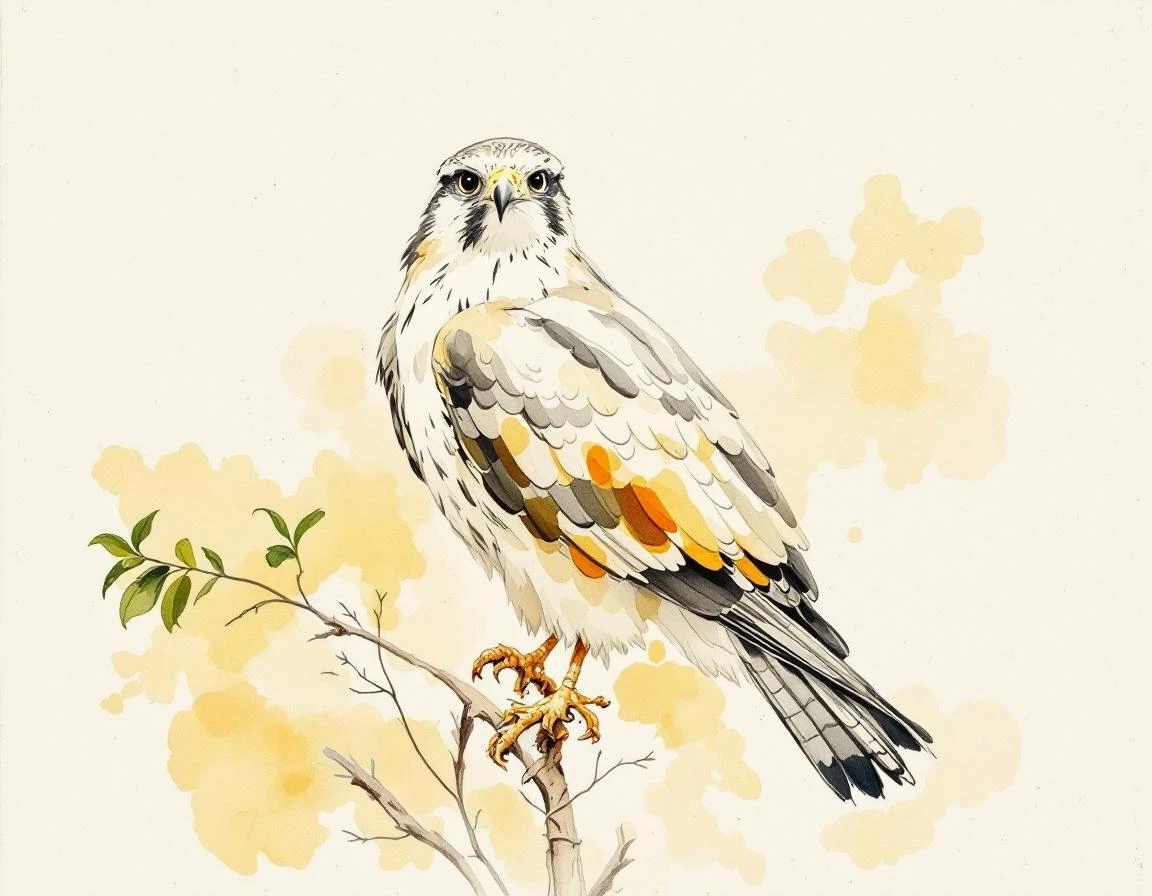
Falconry shaped how birds of prey were named across Eurasia and North Africa for at least four thousand years. In medieval Europe the practice was so thoroughly aristocratic that specific species were legally restricted to specific social ranks: only a king could fly a gyrfalcon; a peregrine belonged to an earl; a merlin to a lady; a kestrel to a knave. The raptor was a mark of status, and the names given to hawks reflected that seriousness. Medieval falconry hawks were often named the way one might name a horse - for personal qualities, appearance, origin, or the person who gave them. A falcon named Bel-Ami (French: "good friend"), Isabeau, or Troilus sits in its own literary tradition. Arabic falconry, which predates European practice and was more technically sophisticated, records specific hawk names in treatises going back to the 8th century, often indicating origin. The Arabic term for peregrine, *shaheen*, also means "king." Japanese falconry (*takagari*, or *yōjū*), developed independently and practiced by samurai, named hawks in the Japanese poetic tradition: compound names drawn from nature, seasons, and classical texts. A hawk named Fūsui (wind and water) or Hayate (swift breeze) carries that weight.
Eagles in Mythology
The eagle is the divine bird of sovereignty across more traditions than any other species. Roman legions carried eagle standards (*aquila*); the eagle of Zeus/Jupiter bore thunderbolts and abducted Ganymede to serve as cupbearer to the gods. The American bald eagle, the Mexican golden eagle (on the flag, eating a serpent), the Polish white-tailed eagle, the German imperial eagle - the bird appears wherever sovereignty needs a symbol. In Norse mythology, an eagle of unnamed but enormous size sits in the top branches of Yggdrasil, the World Tree, in permanent enmity with the serpent Níðhöggr who gnaws at the roots. Hræsvelgr ("corpse-swallower") is a giant eagle whose wing-beats cause the wind. Tolkien's Great Eagles - Gwaihir, Landroval, Meneldor - are divine messengers of Manwë, beings who arrive at critical moments throughout the legendarium, always to rescue. Eagle traditions vary by nation across Amerindian cultures, but in many Plains and Southwest nations, eagle feathers are sacred, reserved for specific ceremonial uses, and the eagle is tied to the Creator and to warriors who have earned both spiritual and martial distinction.
Using the Generator
Raptor names in historical or fantasy falconry contexts should reflect the social register of the owner and the tradition they practice. An English medieval lord's peregrine falcon has different naming conventions than a Mongolian warrior's golden eagle, which differs again from a Japanese samurai's hawk. For eagle companions in fantasy contexts - particularly those with divine or semi-divine status - names should carry the weight of the eagle's associations with sovereignty and divine sight. An eagle who moves between human and divine worlds needs a name in that register: Aethon, Aquila, Hræsvelgr (if terrifying), Landroval (Tolkien's, but the pattern - a compound that feels both bird-like and ancient - works as a model). For working falconry birds in historical fiction, names can come from period sources. Medieval falconry treatises list actual hawk names. The 14th-century English text *The Boke of Saint Albans* gives both the hierarchy of birds by social rank and enough context to support historically plausible naming.
Birds of Prey Names Craft Guide for Role, Behavior, Tone, and Story Use
Birds of prey names work best when the name grows from the specific companion on the page, rather than from a thin pet-name list. This generator is meant for a raptor companion: a hunting bird whose gaze, speed, training, and distance from softness change the scene. The name should tell the reader how the animal or companion moves through a scene, who named it, and what kind of relationship it has with the characters around it.
Start with Behavior in the Scene
Before choosing a name, picture the companion doing something concrete. Is it guarding a door, stealing food, scouting ahead, refusing a command, comforting a child, or warning the party before anyone else notices danger? Behavior keeps the name from floating free. For birds of prey names, the best candidates usually point toward a habit the story can prove later.
Use Sound as a Handling Cue
Sound tells the reader how close the bond feels. For this page, listen for sharp consonants, high vowels, wind-cut syllables, and names with command presence. A name shouted across a field has different needs than one whispered in a sickroom or written on a brass tag. Test the rhythm in dialogue, especially if the companion appears often. The most useful names can become nicknames without losing their original flavor.
Match the Genre Register
Birds of Prey Names can fit falconry courts, desert epics, ranger patrols, sky clans, and military fantasy. The register changes the name fast. A comic adventure can tolerate brighter, quicker choices. A solemn fantasy may need a name with older texture. A modern setting often benefits from names that sound owned by real people rather than invented for lore. Decide whether the companion is beloved pet, working animal, omen, familiar, mount, scout, mascot, or equal partner before locking in the final sound.
Respect Species, Culture, and Point of View
Respect falconry and real species behavior. A hawk, eagle, kestrel, and owl should not feel interchangeable. Also ask who gives the name. A child, sailor, witch, scientist, farmer, soldier, priest, shop clerk, or lonely traveler will choose differently. Names become more convincing when they reveal the namer's world as well as the companion's body. If the name borrows from a real language or cultural tradition, give it a reason inside the setting and avoid using that culture as decorative shorthand.
Turn the Shortlist into Story Material
Put three generated options into three scenes: an introduction, a moment of trouble, and a moment of affection or loss. If the name only works in the introduction, it is probably a label rather than a story tool. Keep the raptor name that gives you future uses: a command, a joke, a warning, a title, a rumor, or a memory another character repeats after the companion has changed the course of the plot.
Who Named the Companion Matters
For a raptor, the source of the name changes the whole emotional reading. It might come from the falconer, war captain, desert clan, sky shrine, or ranger who trained beside it. A practical worker may choose a short call that cuts through noise. A child may choose softness, rhyme, or a private joke. A court or archive may preserve titles and lineage. A rescuer may keep the old name out of respect, while a new owner may rename the companion to mark safety after a bad past. That choice tells the reader who had power when the name was given.
Check the Name across Repeated Use
Because companion names repeat so often, test the raptor choice in ordinary beats as well as dramatic ones. It should work on a tag, in a command, inside a scolding, as a fond nickname, and in a sentence where another character does not understand the bond yet. If the story has sequels, related animals, litters, herds, packs, or familiars, keep notes on the naming logic now. The useful final choice gives you a family of possible names without making every future companion sound copied from the first.