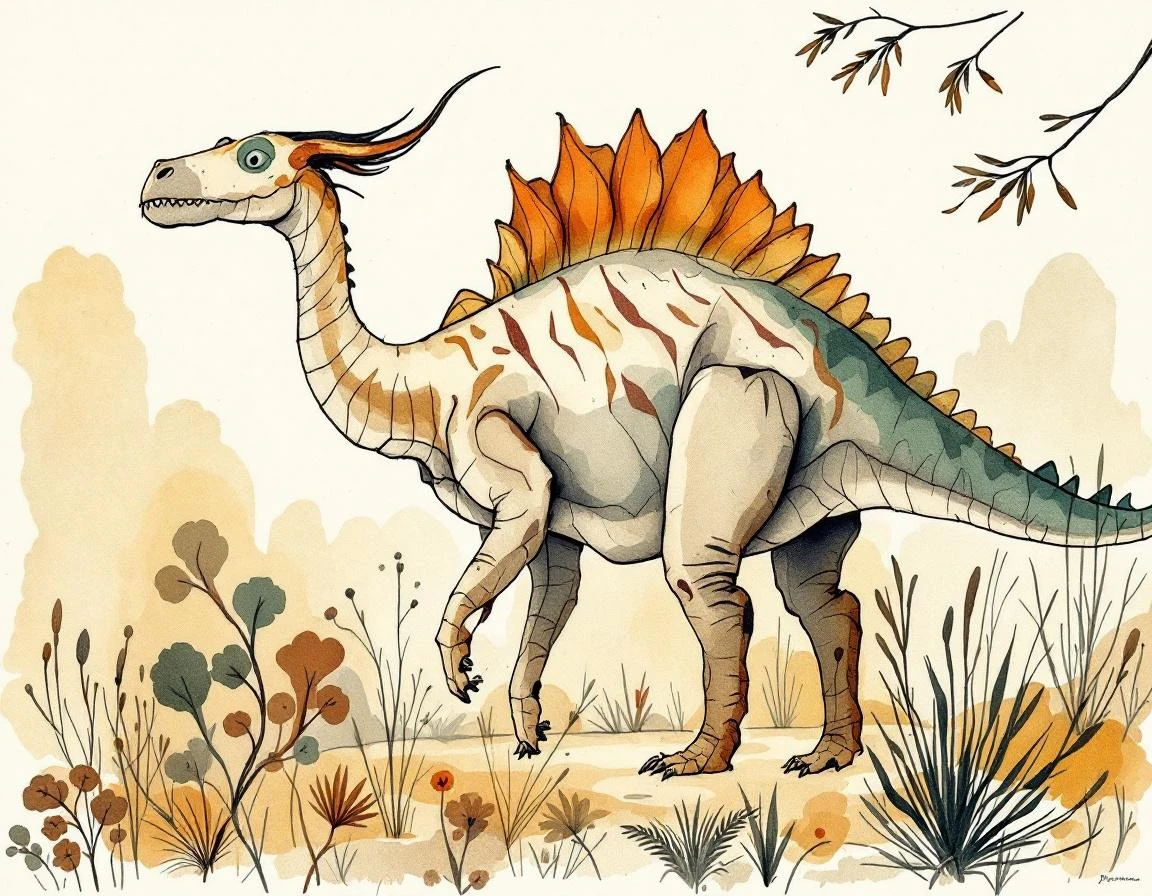

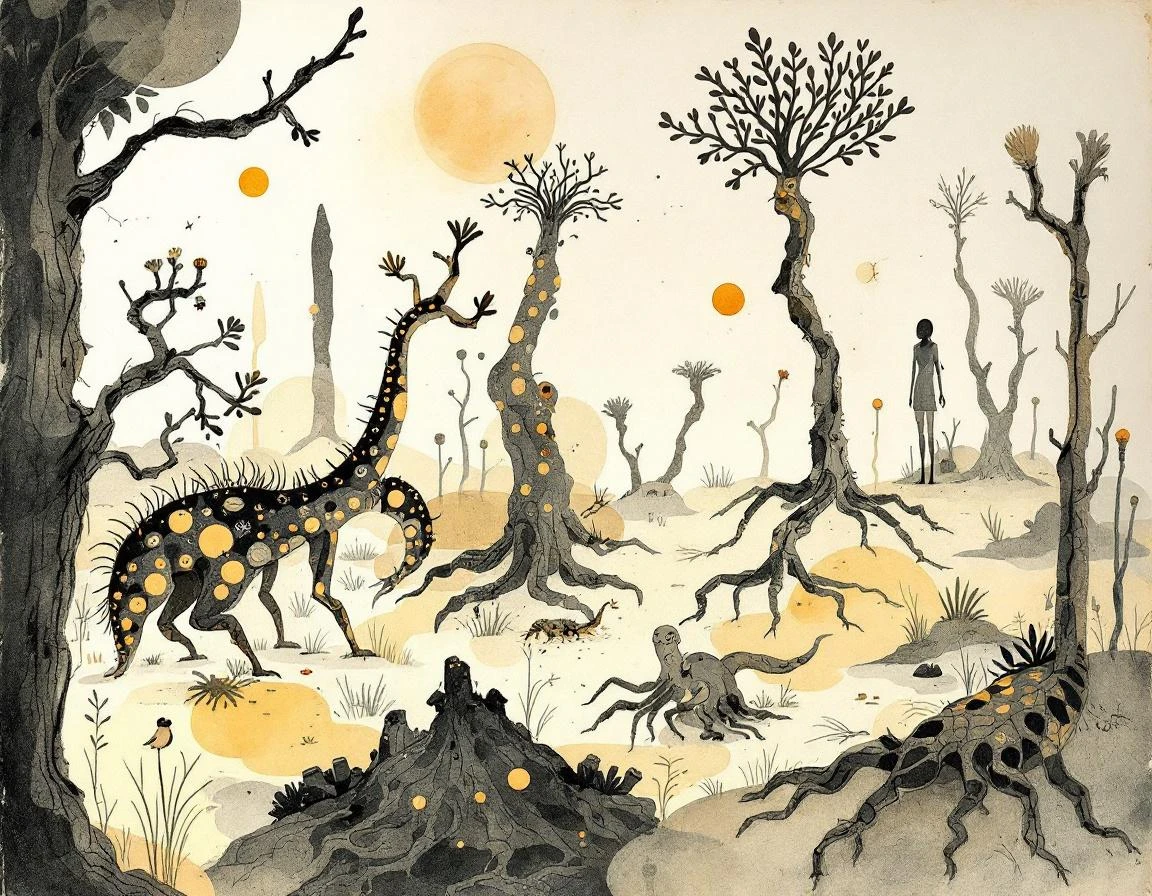
Prehistoric Creature Generator for Ancient Ecosystems and Lost Worlds
A prehistoric creature feels strongest when it belongs to an ecosystem, not when it stands alone like a museum label. Size, diet, movement, climate, predators, prey, nesting habits, senses, and competition all matter. A creature from a fern-choked floodplain should not behave like one from a dry upland or a cold coastal shelf. Ancient life becomes convincing when the world around it pushes back. This generator helps you create prehistoric creatures for speculative evolution, time travel, lost world adventures, survival stories, educational fiction, and tabletop settings. It can suggest body structure, ecological role, behavior, tracks, calls, defensive traits, reproduction, and the kind of scene where the creature will feel alive. The goal is not perfect paleontology. The goal is plausible wonder with enough restraint to hold a reader's trust.
Starting With Ecological Role
Before deciding how frightening or beautiful the creature looks, decide what it does in its environment. Is it a grazer, ambush predator, scavenger, burrower, filter feeder, nest raider, migratory herd animal, or armored browser? Role shapes the body. A pursuit hunter needs endurance and sensory reach. A swamp ambusher needs patience, camouflage, and explosive movement. A herd animal needs social signals and defenses that work in groups. When using the generator, give it the role and habitat together. A small nocturnal scavenger in a coastal forest will produce different details than a giant grazer crossing volcanic plains. Ecology keeps the design grounded and gives the creature reasons to act.
Using Fossil Hints Without Overclaiming
Prehistoric fiction often works in the space between evidence and imagination. Fossils may suggest bones, teeth, tracks, feathers, stomach contents, or growth patterns, but behavior usually requires careful inference. That uncertainty can be a strength if the story treats it honestly. A creature can be plausible without pretending every detail is proven. Ask the generator for evidence-based traits and speculative traits separately. Bones may support posture or bite style. Trackways may suggest group movement. Color, mating displays, and social rituals may be educated inventions. Keeping those categories clear helps the creature feel researched rather than random. It also gives you room to create without claiming more certainty than the story needs.
Designing Behavior That Creates Scenes
A prehistoric creature becomes story material through behavior. Migration can block a valley. Nesting season can make a normally shy animal dangerous. A scavenger can reveal a recent death. A territorial display can save characters who know how to read it and doom those who do not. Behavior turns the creature from backdrop into pressure. Use generated output to find scene triggers. What attracts the creature? What scares it? When does it ignore humans, and when does it notice them? How does it warn, stalk, flee, feed, sleep, or protect young? A creature that always attacks is less interesting than one whose behavior can be understood just well enough to make mistakes meaningful.
Building the Ancient Environment
Prehistoric life depends on ancient landscape. Plant life, climate, insects, water sources, volcanic activity, sea level, seasonal floods, and competing species all shape what the creature can be. A lost world filled only with headline predators feels thin. Add grazers, parasites, carrion birds, mud, heat, disease, and the constant search for calories, and the world begins to breathe. When generating, ask for ecosystem companions and pressures. What does this creature eat? What eats its young? What plants shape its movement? What sound means danger? These details do not have to dominate the page, but they give the creature context. Readers believe the animal more readily when the world seems able to sustain it.
Balancing Awe, Danger, and Restraint
Prehistoric creatures invite spectacle, but spectacle works better with restraint. Not every encounter needs a charge, roar, or chase. A footprint filling with rain, a herd moving at dawn, a nest guarded from a distance, or a wounded animal choosing not to attack can create as much wonder as violence. Ancient life should feel dangerous because it is indifferent, not because it is always villainous. Review generated ideas for variety. Give the creature moments of feeding, resting, warning, curiosity, fear, and social contact. If it becomes part of a survival plot, let characters learn its patterns. If it belongs to a lost world, let the ecosystem remain larger than the visitors. The creature should feel old, adapted, and complete before the story enters its path.
Placing Humans Carefully, if Humans Appear at All
Many prehistoric stories include human observers, time travelers, stranded scientists, or nearby early peoples. Their presence should not turn the creature into a prop. Ask what the creature would be doing if no one were watching. Feeding, nesting, migrating, courting, avoiding heat, guarding territory, or following rain may matter more than the visitors' immediate fear. That independence makes encounters feel less staged. Use the generator to decide how much humans can understand. A tracker may read prints well but misjudge a mating display. A scientist may know anatomy but miss a social signal. A hunter may respect distance while a tourist rushes in. The creature's behavior should remain coherent from its own ecological point of view. Humans enter the pattern late. The ancient world does not reorganize itself around them.
Naming Prehistoric Creatures for Story Use
Prehistoric names can lean scientific, local, descriptive, or provisional. A research team might use a Latinized label. A stranded expedition might name the creature after a sound, track, ridge, or fatal encounter. A nearby culture might have a practical name based on season or behavior. Each naming style creates a different tone. Use the generator to choose the naming source before choosing the name. A scientific name suggests observation and classification. A field nickname suggests urgency. A local name suggests older knowledge and may carry warnings outsiders ignore. The creature's name should help the reader understand how the story approaches the ancient world: as evidence, threat, home, or mystery. If the name changes after a character finally understands the animal, the plot has learned something too. That shift can mark humility more cleanly than a speech about respect for nature ever could.
Letting the Animal Ignore the Plot
A prehistoric creature feels more real when it sometimes ignores the protagonists. It may choose shade, food, water, or its young over confrontation. That indifference can be more frightening than malice.