
Mythical Creature Generator for Legends, Omens, and Folklore-Inspired Beings
A mythical creature is a story people tell for a reason before it is a body with unusual parts. It may explain a dangerous place, warn children away from water, guard a boundary, punish greed, bless travelers, carry a seasonal omen, or embody a fear the community cannot discuss directly. The creature's meaning matters as much as its shape. This generator helps you create mythical creatures with folklore weight instead of random features. It can suggest origin stories, signs of arrival, taboos, gifts, curses, weaknesses, habitats, ritual responses, and the different ways communities interpret the same being. Use it for fantasy, horror, fairy-tale retellings, regional legends, tabletop encounters, or any story where belief itself changes how the creature appears on the page.
Starting With What the Legend Does
Before choosing horns, wings, teeth, or songs, decide what the legend does for the people who tell it. Does it protect a boundary? Explain disappearances? Give shape to grief? Warn against broken hospitality? Bless a harvest? Mark a royal line? A mythical creature becomes memorable when its presence answers a human need or fear. When you use the generator, name the function of the myth. A creature that guards wells will be designed differently from one that appears before betrayal. Its habits, signs, and powers can all grow from that purpose. The result feels less like a bestiary entry and more like something a village might actually whisper about.
Giving the Creature Contradictory Accounts
Real legends rarely stay tidy. One town says the creature is merciful. Another says it eats liars. A grandmother claims it was once human. A priest says that is heresy. A hunter insists it leaves silver hair on thorns, while children say it has no body at all. These contradictions make a mythical creature feel older than the story you are writing. Ask the generator for multiple local versions of the same being. The differences can create plot. Which account is true? Which was changed to hide guilt? Which warning did the protagonist ignore because it sounded childish? Contradictory folklore lets the creature remain mysterious without becoming vague.
Connecting Powers to Rules
Mythical powers need rules, even if the rules are poetic. The creature may only speak at crossroads, only enter a house by invitation, only be seen in reflection, only harm those who answer a question falsely, or only grant gifts that cost memory. Rules give the encounter shape. They let characters make choices under pressure. Use the generator to create a small set of rules and signs. What announces the creature? What repels it? What bargain can be made? What should never be said? The rules do not have to be scientific. They do have to be consistent enough that the reader can feel suspense when a character steps near the line.
Making Beauty and Danger Coexist
Many mythical creatures are compelling because they are not simply safe or hostile. They can bless and ruin, guide and deceive, heal and mark, protect one child while taking another. This moral strangeness is part of their power. If the creature is only a monster, the myth narrows. If it is only a helper, it loses its edge. When generating a creature, ask for both gift and cost. A song that heals may bind the listener to a place. A golden feather may bring luck until it is stolen. A guardian may protect travelers who honor the old road and destroy those who mock it. Ambivalence keeps the creature mythic, because people keep telling stories about what they cannot fully control.
Using the Creature in Plot
A mythical creature should change more than the weather of a scene. It can reveal a family lie, force a character to honor a taboo, test whether a ruler deserves the throne, or make a skeptic choose between pride and survival. The creature is strongest when the encounter exposes something already present in the human story. After generating, test the creature against your protagonist. What does this being know, demand, punish, or misunderstand that matters to that character specifically? A good mythic encounter feels inevitable in hindsight. The creature may come from old belief, but it arrives at exactly the point where the present story can no longer avoid what it has been hiding.
Choosing Signs Before the Reveal
Mythical creatures usually feel more powerful when the story notices their traces before the creature appears. A field of bent grass, a well that tastes of iron, a child singing a line no one taught them, a candle that burns blue at a window: signs let the legend enter the ordinary world by degrees. They also give characters a chance to ignore, misread, or fear what the reader is learning to recognize. Ask the generator for signs that match the creature's function. A guardian leaves different evidence than a tempter. A river omen changes the landscape differently than a household spirit. The reveal should feel like the last piece of a pattern, not a random arrival. By the time the creature steps fully into the story, the reader should feel that the world had been making room for it all along.
Naming Creatures the Way Folklore Does
Folklore names often come from what people fear to say directly. A creature may be called the Old Guest, the Well Bride, the Thirteenth Calf, or the One Who Counts Doors because the true name is dangerous, forgotten, or reserved for ritual. Names like this carry behavior inside them. They tell the reader how people survive contact. Ask the generator for several names from different communities. A child's rhyme, a priestly term, a hunter's warning, and the creature's own name can all point at different truths. The names become clues. They let the legend deepen before the creature explains anything, and often it should never explain everything. A name repeated in the wrong place can be action, not ornament. A name withheld can be even stronger, especially if silence is part of the ritual that keeps people alive.
Keeping the Unknown Intact
Do not explain every mystery the creature carries. Let one sign remain unresolved, one rule stay half-understood, or one witness refuse to speak. Folklore loses force when it becomes a checklist.
Giving Mythical Creatures Folklore Weight
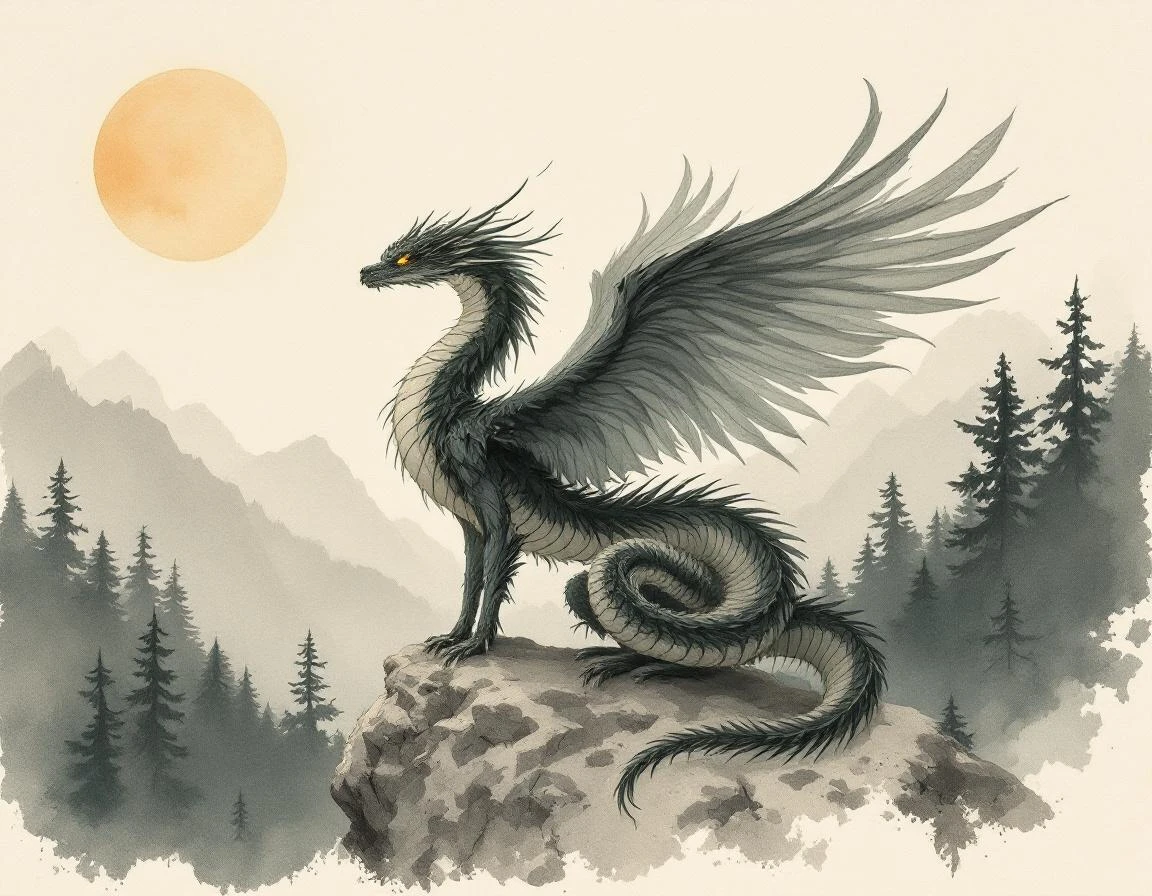
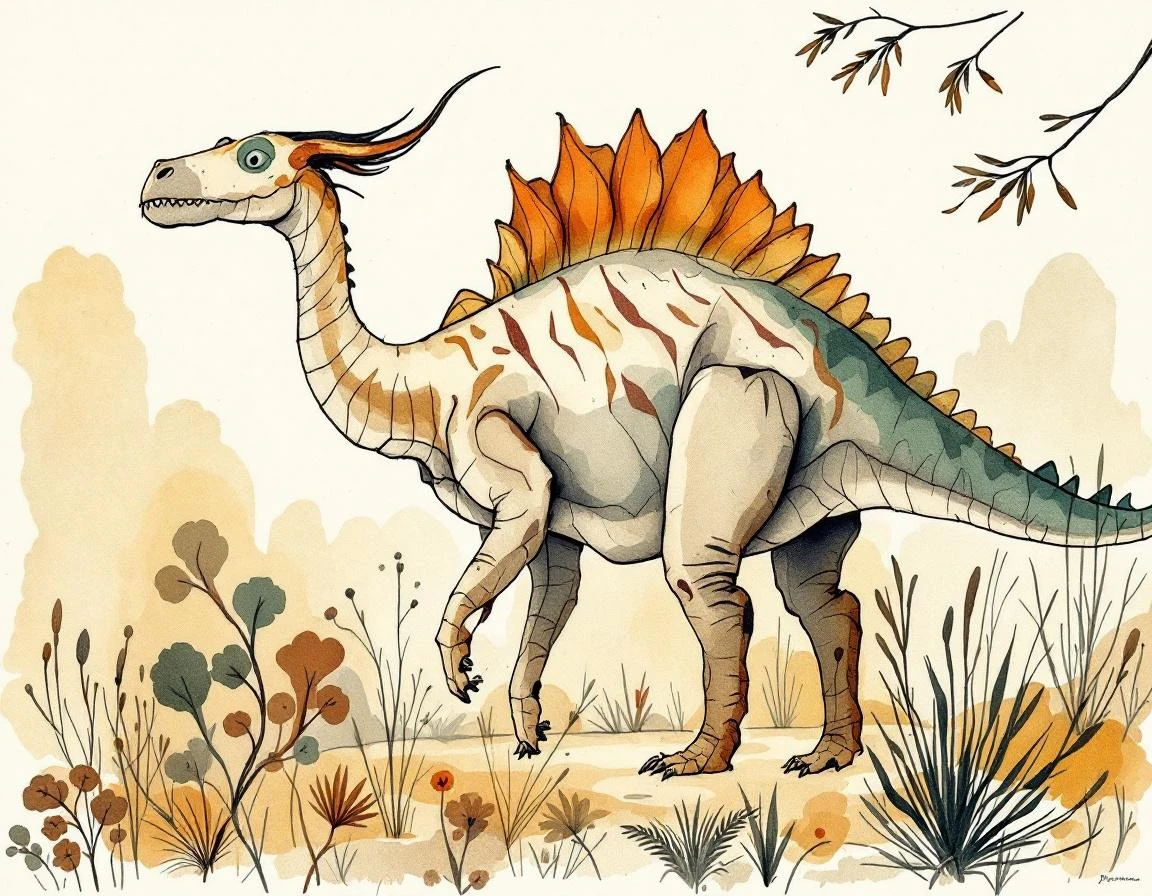
A mythical creature should feel as if people have argued about it for generations. One village may leave bread at the crossroads because the creature once guided a lost child. Another may nail iron over the door because a different version of the same being stole a bride. The contradiction is not a problem; folklore often grows by contradiction. What matters is that every version reveals a community need, fear, bargain, or memory. When refining a generated mythical creature, ask who benefits from the story. A river spirit may protect children, but it may also protect fishing rights. A winged omen may warn of storms, justify a succession ritual, or give an exiled family a private sign of return. A creature with no social use becomes a monster with a costume. A creature with ritual consequences becomes part of the world. The body still matters, but meaning should choose the body. Horns can mark taboo, antlers can bind the creature to seasonal death and renewal, mirrored eyes can make it a judge of lies, and a voice heard only at dusk can tie it to thresholds. Weaknesses need the same care. Salt, bells, ash, birth names, dawn, milk, or unbroken promises are stronger when they connect to the creature's origin rather than sitting in a list of random counters.
Let Belief Change the Encounter
A character who believes the old story should behave differently from one who treats the creature as an animal. They may bring the wrong offering, refuse to speak a name, misread mercy as a trick, or break a taboo without understanding it. That difference lets the creature enter plot through culture before appearance.
Use Regional Variation Deliberately
If the creature appears across several regions, vary the tale with geography and history. Mountain people may know its tracks in snow; coastal people may know the sound before wrecks; city children may only know a festival mask. Those variations make the myth feel old, mobile, and politically useful, while still giving the writer one recognizable being to bring onto the page.