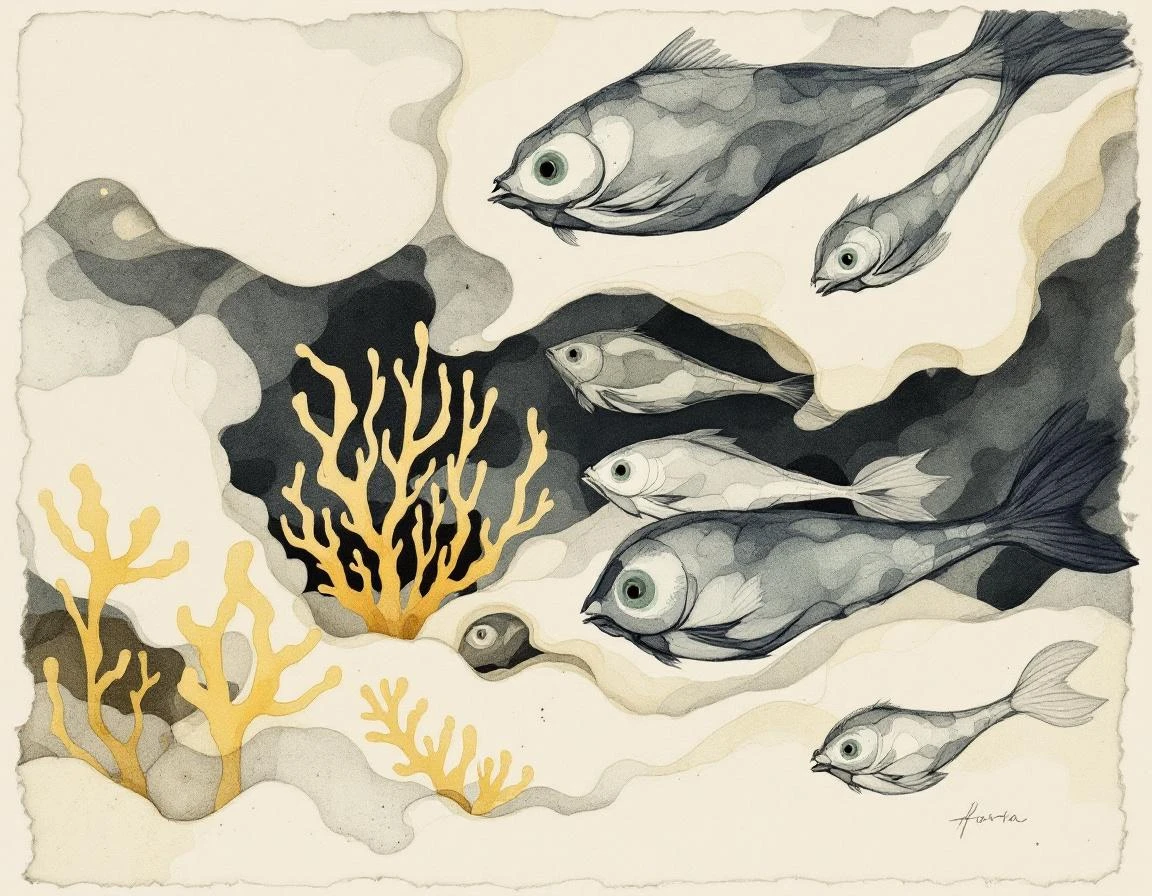

Aquatic Species Generator for Oceans, Reefs, Rivers, and Water Worlds
Aquatic species design begins with pressure, light, motion, and breath. Water changes everything. Sound travels differently. Color disappears with depth. Bodies must handle buoyancy, current, salt, temperature, darkness, and predators approaching from any direction. A believable aquatic species should feel shaped by water before it feels shaped by plot. This generator helps you create species for ocean planets, reef kingdoms, flooded ruins, river cultures, deep trenches, coastal myths, or undersea science fiction. It can suggest body plans, senses, social customs, migration patterns, tools, homes, conflicts, and naming logic. Use it when you need the species to do more than look beautiful in the water. The design should change how scenes work, how danger arrives, and how the species understands land-bound outsiders.
Choosing the Water Environment
An aquatic species from a warm reef will not live like one from a blackwater trench or a glacial river. Reefs favor color, territorial boundaries, symbiosis, and dense social contact. Open oceans favor migration, endurance, navigation, and group coordination. Deep environments favor pressure tolerance, low light senses, slow metabolism, and strange feeding strategies. Rivers add current, seasonality, and contact with land. When you use the generator, start by naming the water. Salt or fresh. Shallow or deep. Still or violent. Clear or murky. Stable or seasonal. Those details guide body shape and culture. A species that builds in kelp forests tells a different story than one that nests in thermal vents.
Designing Senses for Underwater Life
Vision is only one way to know a world. Underwater species may rely on pressure changes, electrical fields, vibration, chemical trails, temperature gradients, or long-distance song. These senses should affect behavior. A species that reads electrical signals may consider metal tools noisy. One that navigates by song may treat silence as aggression. One that tracks scent through currents may experience memory as direction. Ask the generator to connect senses to culture. How do they greet, hide, mourn, teach, or make art? What counts as private when sound travels far? What does a city look like if its citizens feel motion before they see shape? Sensory design is one of the easiest ways to make an aquatic species feel truly aquatic.
Making Tools and Homes Work in Water
Underwater tool use has different constraints. Fire is unavailable, weight behaves differently, adhesives fail, corrosion matters, and materials drift away unless held or grown in place. Aquatic species might cultivate coral, braid kelp, carve shell, shape bone, use volcanic heat, domesticate living structures, or build in currents that clean and defend the city. The generator can help you avoid land-based assumptions. Ask how the species stores records, cooks or processes food, makes shelter, treats wounds, and transports goods. If a tool requires hands, decide whether the body supports that. If a city requires stable walls, decide how it resists storms. Practical answers make the world feel inhabited.
Building Social Customs Around Current and Depth
Water creates natural borders and meeting places. Depth can mark age, status, danger, profession, or sacred duty. Currents can carry news, disease, food, scent, and debris. A migration route may be a calendar. A tide pool may be a nursery. A trench edge may be a place of trial or exile. These environmental facts can become social rules without needing heavy explanation. Use generated customs as story pressure. A land visitor may violate a depth taboo. A young character may want to follow a forbidden current. A healer may need a mineral from a vent controlled by rivals. Customs are most useful when they can be broken, misunderstood, defended, or changed by the plot.
Writing Land Contact and Amphibious Tension
Aquatic species often become most vivid when they meet land. Air may be painful, speech may fail, gravity may exhaust them, and land dwellers may misread gestures built for water. Trade, rescue, war, curiosity, or environmental collapse can force contact across that boundary. The boundary should feel physical and cultural at once. When you ask the generator for conflict, specify how much the species can tolerate land. Are they fully aquatic, amphibious for short periods, dependent on suits or magic, or able to shift life stages? The answer changes everything from diplomacy to chase scenes. A good aquatic species design makes every shoreline feel like a threshold.
Handling Pressure, Depth, and Danger
Depth is more than a backdrop. It can decide who may travel, who holds knowledge, and what risks a character can survive. A shallow-water species may treat the open drop-off as a spiritual boundary. A deep species may experience the surface as violent exposure. Pressure changes can make rescue difficult, trade slow, and exile terrifying. These facts give aquatic stories consequences that land settings cannot copy. Ask the generator how depth affects class, profession, age, and taboo. Maybe only trained couriers cross thermal layers. Maybe elders live lower because their bodies adapt over decades. Maybe a forbidden romance is dangerous because the partners cannot share the same pressure zone for long. When depth shapes choices, the species stops being a drawing and becomes a life lived inside water.
Naming Aquatic Species Through Motion
Aquatic names can come from current, depth, color, song, migration, or the way other peoples encounter them. A coastal trader may name the species after the pattern of lights seen under a boat. The species itself may use names that mark birth-current, reef-line, or the first song a child learns. A deep-water group may not use fixed names at all, relying on tonal signatures that shift with age. Ask the generator who is translating the name. A surface empire, a reef neighbor, and the species itself will not choose the same words. That difference can reveal politics before anyone explains them. If a land map labels them by a reef they consider temporary, a simple name can become the first insult in a diplomatic scene. It can also show whether outsiders understand tide, depth, and migration as living facts or only as scenery around them.
Keeping Wonder Practical
Let the luminous, strange, and beautiful details remain tied to use. A glowing crest may guide children through silt. A shell hall may amplify warnings. Wonder lasts longer when it helps the species survive.