Alien Species Generator for Biology, Culture, and First Contact Stories
An alien species becomes interesting when it is more than a mask over a human society. Readers can accept intelligence, language, cities, rituals, and technology in many forms, but the pieces should feel connected. Habitat should affect anatomy. Anatomy should affect tools. Tools should affect custom. Custom should affect how the species misunderstands outsiders. A good alien design does not need a textbook of invented science, but it does need a logic that holds when the story puts pressure on it. This generator helps you build that logic. It asks you to think about atmosphere, gravity, senses, reproduction, social organization, conflict, and contact with other civilizations. Use it when you need a species for a space opera, a first-contact novel, a planetary survey, a tabletop setting, or a quieter story about translation and trust.
Starting From Environment Instead of Costume
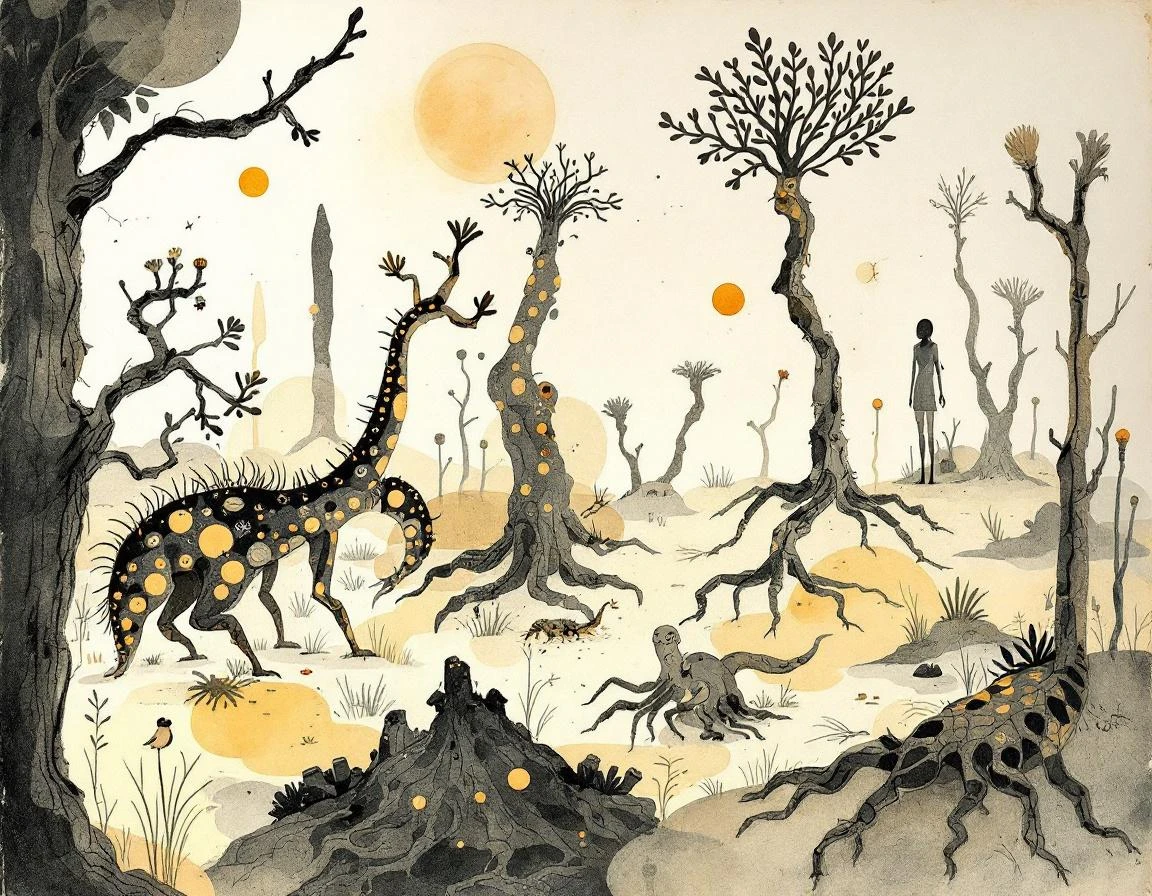
The fastest way to make an alien feel flat is to start with decoration. Blue skin, extra eyes, or unusual hands may create an image, but they do not create a species. Start with the world instead. Is the planet dim, tidal-locked, storm-heavy, low-gravity, oceanic, or crowded with microbial hazards? A species shaped by dense fog may rely on vibration or scent. A species from high gravity may build low, heavy architecture and value endurance over speed. When you use the generator, give it one or two environmental facts that truly matter. Those facts become the design spine. The output can then connect body plan, tools, settlement patterns, and social habits in a way that makes the species feel native to its world.
Making Intelligence Feel Unfamiliar but Readable
Alien intelligence should be different enough to surprise the reader and clear enough to follow. A species might think in seasonal cycles, distributed group memory, scent maps, mathematical ritual, or kinship obligations that do not match human family structures. The trick is to make the difference affect decisions. If the species values memory more than territory, conflict with humans may begin when a landing crew damages an archive rather than when it crosses a border. Generated species concepts are strongest when you ask for a cognitive difference tied to story behavior. How do they bargain? What do they consider rude? How do they handle promises, grief, leadership, risk, or children? The answers make scenes sharper because contact becomes more than a language problem.
Designing Technology Around Bodies
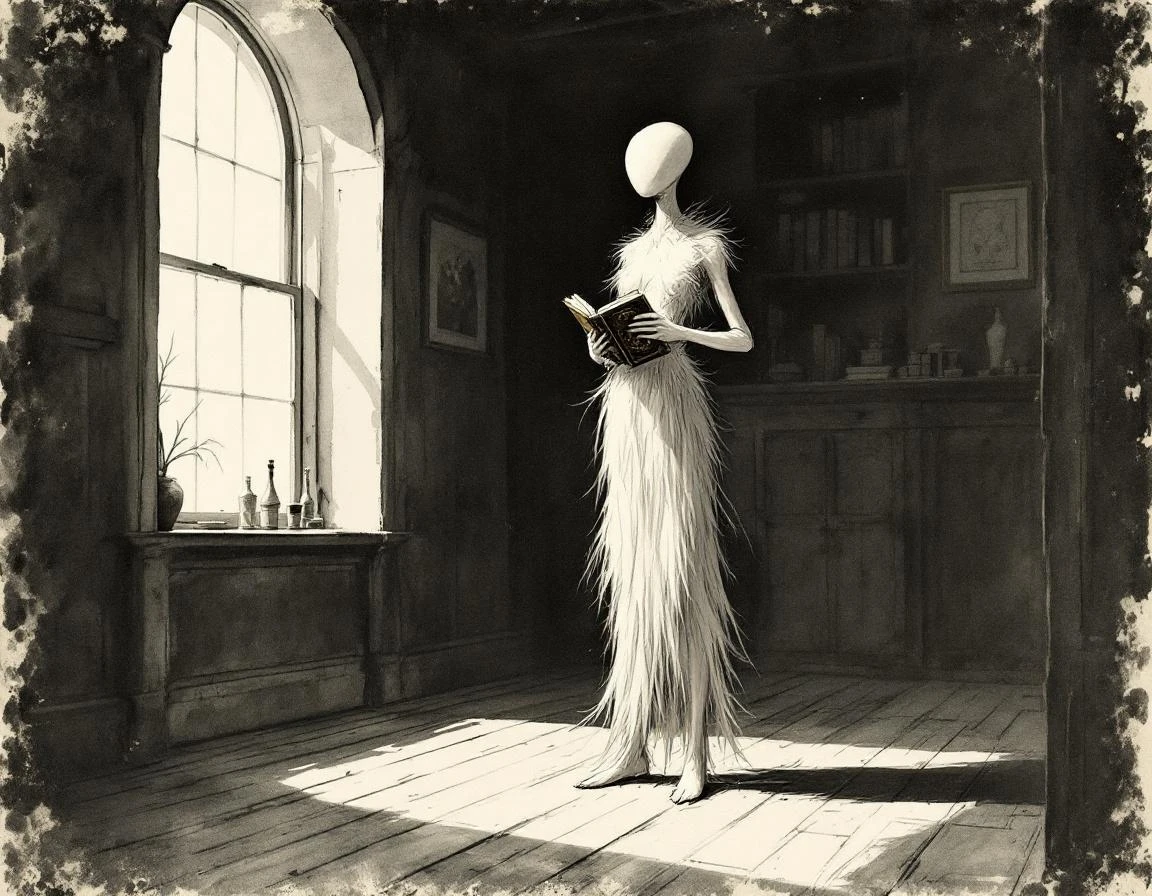
Technology should fit the species using it. A species with six delicate limbs may not build controls meant for hands like ours. A species that senses magnetism may navigate without visual maps. One that communicates through color pulses may write history in layered pigment. These details keep alien tools from feeling borrowed from a human workshop. Use the generator to explore how body and technology meet. Ask what kind of doors, instruments, ships, weapons, medicine, housing, and art would emerge from this anatomy. You do not need to explain every device. You do need enough consistency that the reader feels the culture did not start from a human default.
Building Conflict Without Making the Species Monstrous
Alien conflict works best when both sides have reasons. A species may be territorial because its young are vulnerable for years. It may reject trade because gift exchange creates obligations outsiders do not understand. It may seem secretive because names are considered a private organ of the self. These tensions are more durable than simple hostility. When asking for plot-ready species details, include the kind of pressure the story needs: diplomatic, ecological, military, religious, commercial, or personal. The generator can then produce friction rooted in values rather than spectacle. That gives you room for fear, awe, humor, and compromise without reducing the species to a threat with a mouth.
Using the Species in a Scene
A species profile only matters when it changes a scene. Before you commit to a design, imagine an ordinary interaction: a meal, a greeting, an injury, a legal dispute, a child's question, a repair job, a funeral. Does the species design affect what happens? If not, the concept may still be decorative. The best generated ideas give you scene hooks. A diplomat chooses the wrong side of a room because the species reads height as aggression. A scientist realizes a conversation has been happening through floor vibrations all along. A pilot learns the species names routes by remembered storms. These moments turn invented biology into story behavior, which is where alien design earns its place.
Planning First Contact Around Misunderstanding
First contact rarely becomes interesting because two groups meet and immediately know what each other means. It becomes interesting because the obvious interpretation is wrong. A gift may look like tribute. A medical scan may feel like theft. A silence may be a formal greeting. A map may be offensive because the species thinks in routes and obligations, not territory. Misunderstanding should come from the species design, not from everyone being careless. Ask the generator for the first three assumptions each side makes. Then decide which assumption creates the most pressure. A human crew may think the alien delegation has no leaders because authority is held by a temporary chorus. The alien group may think humans are dangerously fragmented because each person speaks as an individual. A good contact plot gives both sides enough intelligence to be wrong in meaningful ways. That keeps the scene tense without making either culture foolish.
Naming Alien Groups Without Empty Exoticism
Alien names should sound like they come from the same mouth, instrument, or translation practice as the rest of the species. If the species communicates through pressure, color, scent, or vibration, the written name may be a human compromise rather than the original sound. That can become part of the worldbuilding. A trade name, a scholarly label, and a self-name may all differ. Use the generator to decide who named the species and why. Explorers often name what they notice first. Empires name what they intend to control. The species may name itself through kinship, place, duty, or memory. A good name carries contact history along with strangeness. If several human factions use different names, the disagreement can show politics before the first negotiation begins.
Turning Alien Biology Into Culture
The strongest alien concepts let biology and culture keep answering each other. A species that hears through its bones may build public rooms around resonance, treat silence as a form of privacy, and consider soft flooring a political insult because it deadens speech. A species that reproduces only during rare tidal alignments may structure law, inheritance, and diplomacy around long preparation for those seasons. These are not decorative details; they decide what a character can misunderstand, bargain with, or fear. When refining generated alien species, trace one biological fact outward through daily life. Ask how the species sleeps, repairs injury, stores memory, teaches young, marks age, handles food scarcity, and recognizes strangers. Then reverse the direction: ask which social rule would be impossible without that body. If a custom could be performed unchanged by humans in costumes, it needs another pass. The same logic helps with speculative cultures. A communal mind does not automatically mean harmony. It may create new kinds of privacy, taboo, dissent, or grief. A species with a long lifespan may not be wise; it may be slow to forgive ecological damage because everyone alive remembers the first wound. A short-lived species may build brilliant institutions precisely because individuals cannot afford patient tradition. The useful question is not whether the alien is strange, but what pressures its strangeness creates in scenes.
Let Contact Reveal the Design
A first-contact scene is a stress test for the whole species. If the visitors bring gifts, where do alien senses notice danger before human eyes do? If the crew offers translation software, what part of the species refuses to be translated because it lives in posture, chemical trace, shared memory, or ritual timing? The generated concept should create at least one misunderstanding that is nobody's fault and one choice that becomes harder once both sides begin to understand each other.
Keep Ecology Under the Politics
Alien governments, trade networks, and wars become more convincing when their roots are ecological. Scarcity of nesting minerals, migratory weather, symbiotic crops, predatory moons, or microbial contamination can explain why a culture defends a place outsiders consider empty. That ecological layer keeps conflict from flattening into conquest versus peace. It gives every faction a material reason to behave as it does.
