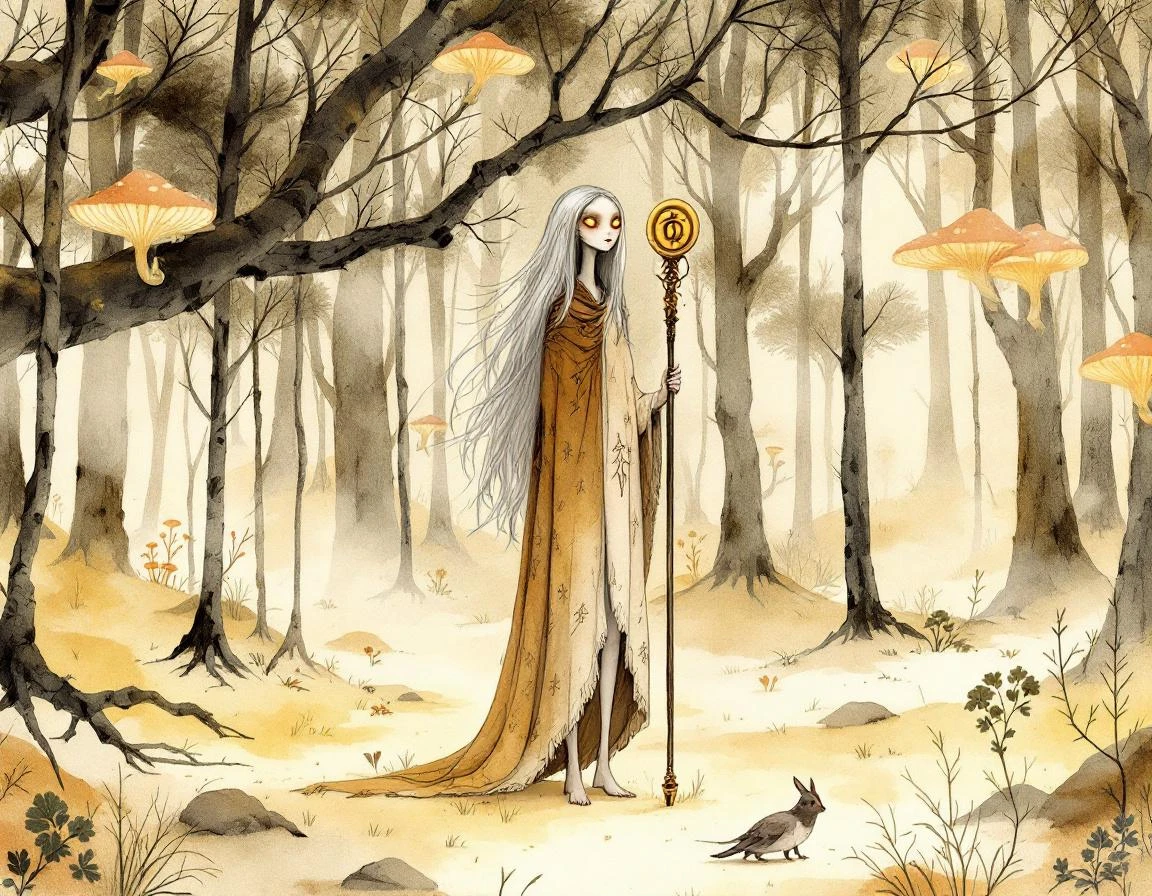

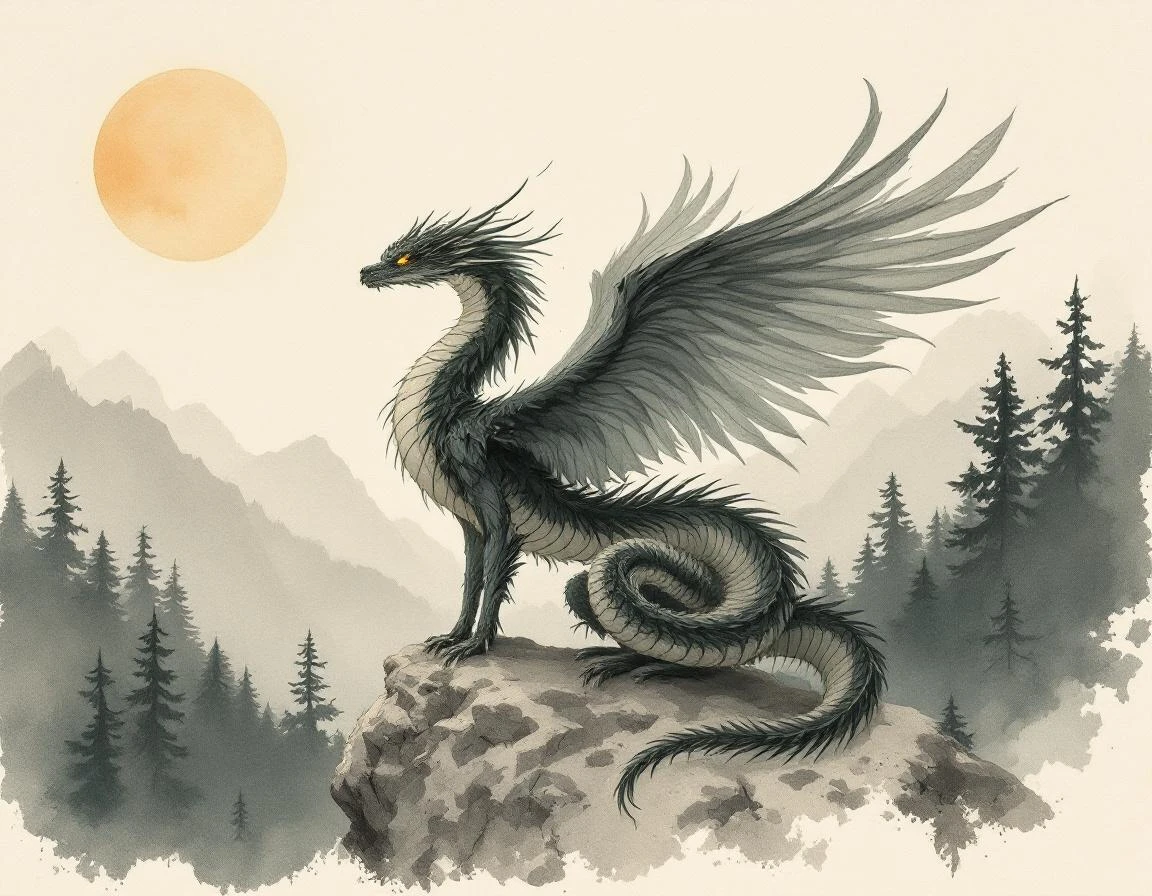
Fantasy Species Generator for Cultures, Magic, and Worldbuilding
A fantasy species should feel like it belongs to the world before it becomes useful to the plot. Magic, ancestry, geography, food, craft, religion, law, and conflict all shape how a people lives. If the species exists only to fill a bestiary slot, readers will feel the thinness. If its abilities, limits, and customs create choices for characters, the species becomes part of the story's engine. This generator helps you design fantasy species with more than a name and a silhouette. It can shape origin myths, body traits, lifespans, magical affinities, settlement patterns, taboos, internal factions, relationships with neighbors, and reasons a member of the species might leave home. Use it for epic fantasy, cozy fantasy, dark fantasy, tabletop worlds, portal stories, or secondary worlds that need peoples with their own histories.
Finding the Mythic Center
Fantasy species often work from a mythic center: stone-memory, moonlit migration, forest vows, ancestral fire, storm-bargains, dream craft, or a debt owed to the dead. This center is not a slogan. It is the idea that explains why the species' customs cohere. A people shaped by oath magic will treat promises differently than a people shaped by seasonal transformation. When you use the generator, give it a mythic center and a practical need. For example, a cliff-dwelling species bound to wind spirits still needs food, inheritance rules, child care, and tools. Combining wonder with daily life keeps the design from becoming ornamental. The best fantasy species feel enchanted and lived-in at the same time.
Balancing Magic With Limits
Magic becomes interesting when it costs something or excludes something. A species that can speak to stone might lose track of time. One that heals through song may be vulnerable to silence. One that changes shape may struggle with legal identity, family lines, or trust. Powers that solve every problem flatten conflict. Limits turn powers into story. Ask the generator for magical abilities and the rules around them. Who can use the gift? What training does it require? What happens when it is misused? What do neighbors misunderstand about it? A believable fantasy species treats magic as part of culture, labor, status, medicine, art, and danger, not as a decorative trait pasted on top.
Avoiding Single-Trait Cultures
A species should not be only proud, only peaceful, only warlike, or only mysterious. Real cultures contain disagreement. A mountain species may include miners, singers, exiles, priests, smugglers, scholars, and children bored by tradition. A forest species may be divided over whether to trade with outsiders. These differences create characters instead of representatives. Use the generator to ask for internal divisions. What do elders want? What do young people question? Which profession has unexpected power? Which taboo is weakening? Which border community thinks differently from the capital? Fantasy grows richer when the species has enough internal life that one member can surprise another without feeling like an exception invented for the plot.
Connecting Species to Place
Place should shape fantasy species design. A marsh people will build, travel, cook, fight, and worship differently than a desert people. A species living near a sleeping god will carry different habits than one living along a trade road. Architecture, clothing, burial, food storage, and music can all come from geography and history. When generating, name the terrain and the pressure it creates. Scarcity, isolation, dangerous weather, magical contamination, contested borders, or seasonal abundance can all become cultural facts. The species will feel less generic when readers can see why this people developed here and not anywhere else. Even invented wonders need roots.
Making the Species Useful in Scenes
A fantasy species profile should produce scenes. A law of hospitality can save a fugitive or trap them. A naming ritual can reveal adoption, exile, or secret lineage. A magical sense can make one character notice a lie while missing an ordinary danger. The design earns its place when it changes what characters can do. After the generator produces a concept, test it in three situations: a market, an argument, and a crisis. What changes because this species is present? What would an outsider misunderstand? What would a child of the culture know instantly? Those answers turn worldbuilding into narrative material, which is the real measure of a usable fantasy species.
Writing Members as People, Not Lore Entries
A fantasy species becomes believable through individual members. One character may honor the old songs and still lie to their brother. Another may reject a sacred duty but keep the food customs of home. A third may exploit outsider assumptions for profit. These contradictions are not mistakes. They are how culture becomes character instead of encyclopedia text. Use the generator to create a species pattern, then make room for personal variation. Ask what a healer, guard, child, scholar, exile, and merchant would each notice first. Ask what joke only members of the culture understand. Ask what habit remains after someone has lived among outsiders for years. The species gives the character roots. The character gives the species a human-scale doorway into the story.
Naming Fantasy Species With History Attached
Fantasy species names should hint at history without burying the reader in invented language. A name may come from an old treaty, a mountain range, a god's broken title, a craft, or a neighboring people's misunderstanding. The self-name and the common name do not have to match. In fact, the difference can make the world feel older. Use the generator to create names with reasons. Who uses the formal name? Who uses the rude one? Which name appears on maps, and which one appears in songs? A name with social context gives characters something to react to. It can mark respect, ignorance, intimacy, or threat before the scene has explained the politics. If a character chooses the wrong name at court, the worldbuilding suddenly has teeth. If another character corrects it gently, the correction can carry affection, warning, or shame in one line of dialogue.
Keeping Wonder Grounded
Let the marvelous detail answer a practical question. If the species keeps moonlit archives, who maintains them? If their homes grow from living wood, who tends the roots? Wonder becomes stronger when someone has to care for it.