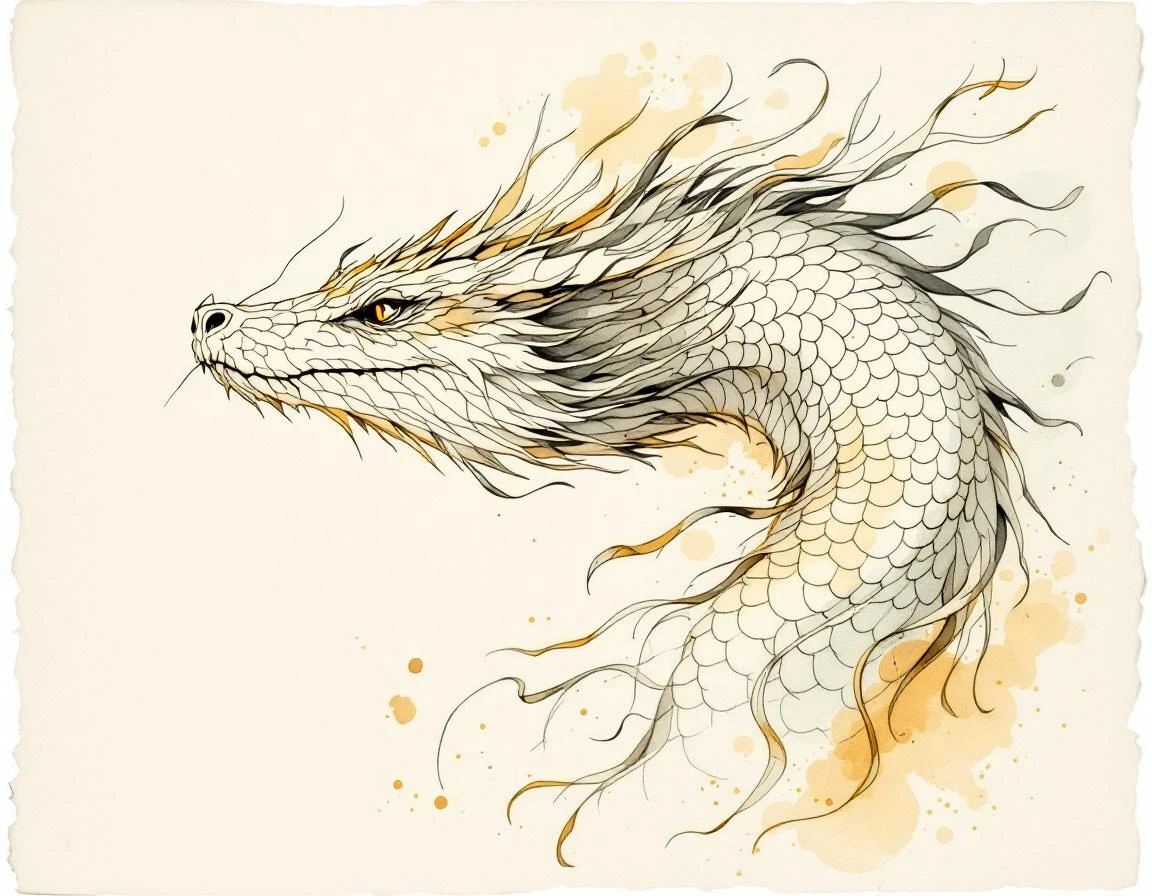


Hydra Name Generator - Names for the Multi-Headed Serpents of Myth and Fantasy
Generate hydra names rooted in the Lernaean tradition - the serpent Heracles could not kill by cutting, only by cauterizing - through to the regenerating monstrosities of modern epic fantasy. For dark fiction, mythpunk, and any story where attacking the problem makes it worse.
The Hydra in Greek Mythology
The Lernaean Hydra is one of mythology's more conceptually elegant monsters: a serpentine creature with multiple heads, each of which regenerates - or doubles - when cut off. Destroying it requires solving the regeneration problem, not simply applying enough force. Heracles' second labor, killing the Hydra with his nephew Iolaus cauterizing each severed neck before it can regrow, is the classical solution: address the mechanism, rather than the symptom alone. Hesiod names her as a daughter of Typhon and Echidna, the same couple who parented Cerberus, the Chimera, the Sphinx, and most of the great monsters of Greek myth. Her home is the Lernaea swamp near Argos, a fetid, boggy environment appropriate for a creature of plague and poison. The Hydra's blood was so venomous that Heracles dipped his arrows in it afterward, weaponizing the monster even in death. The Hydra also has one immortal head, which Heracles cannot kill. He buries it under a rock after the mortal heads are dispatched. This creates a permanent monument to the battle: the Hydra of Lernaea is never truly dead, only partially contained beneath a specific rock that presumably still exists, somewhere, in Greece.
Naming the Many-Headed: Plurality as Identity
Naming a hydra presents a genuine creative problem: does a creature with multiple heads carry a single name, one name per head, or a name that somehow encodes its multiplicity? The original Greek *Hydra* is singular - the water-serpent, the water-creature - which treats the multi-headed beast as one entity named for its fundamental nature (*hydros*, water) rather than for the obvious spectacle of its heads. For original hydra names, Greek water-related vocabulary is the natural starting point: *limne* (lake, swamp), *herpeton* (reptile), *ophis* and *drakon* for the serpent register. But the hydra's regenerative quality opens other angles: *palin* (again, back), *auxan* (to grow), *koilos* (hollow - the neck that must be cauterized before the heads return). For settings where individual heads carry their own names, the architecture gets more interesting. Do all heads share one name for the whole creature? Does each head's name relate to the others by some internal logic? A hydra whose seven heads are named for the seven deadly sins, or the seven seas, or seven specific qualities encodes meaning in the naming itself - narrative work done before the creature appears on the page.
Hydras in Fantasy Fiction and Gaming
The hydra shows up in nearly every fantasy game system as a tactical puzzle rather than a simple fight: the regeneration mechanic forces players to think about *how* they're applying damage, not only how much. D&D's hydra grows a new head for each one severed unless the wound is cauterized by fire in the same round, a mechanic that translates the Heracles myth almost directly into game rules. In fiction outside games, the hydra metaphor has become common enough to feel reflexive. HYDRA in Marvel Comics is the terrorist organization whose motto is "cut off one head and two more shall take its place" - an explicit allusion, not an accident. The metaphor for any self-replicating problem (bureaucracy, corruption, organized crime, viral spread) is so embedded in ordinary language that a fictional hydra carries all of those resonances whether the writer intends them or not. For literary fiction, the most interesting approach is usually not the creature itself but what it represents: the difficulty that multiplies when you attack it, the enemy that cannot be beaten by conventional force, the problem that demands a different kind of thinking rather than more of the same.
Using the Generator for Your Hydra Character
When generating hydra names, decide first whether this is a mindless creature (in which case it needs a designation rather than a personal name), a creature with distributed intelligence across its heads (in which case the name can encode that multiplicity), or a creature with singular intelligence housed in multiple bodies (in which case a strong singular name fits better). Consider the hydra's habitat and origin. The Lernaean Hydra is inseparable from her swamp - the fetid water, the plague-fog, the poisonous blood that saturates the soil around her home. A hydra is a creature that makes a place toxic by existing in it long enough. What does your hydra's home look like now, after generations of habitation? For the hydra as villain or major obstacle, the regeneration quality needs a narrative equivalent: this problem returns unless something specific changes. The name attached to that recurring problem should carry the weight of "this is not the first time" and "it will not be the last" - ancient, patient, and precisely as difficult to kill permanently as the original myth suggests.
The Wound That Argues Back
Hydra names need multiplication in the sound without becoming a gimmick. The Lernaean Hydra grows heads when cut, poisons the air, and turns violence into a worse problem. That is the naming hook. A name can suggest marsh, venom, regrowth, many throats, or a wound that answers.
Regrowth Pressure
The name should make violence feel risky. Many heads matter because the wound answers back.
Final Naming Pressure
A final check should put the name into a sentence where the creature or character changes the room. If the name only works as a label, keep searching. If it changes how the scene feels, even before anyone explains the lore, it belongs on the shortlist.
Regrowth Pressure
The name should make violence feel risky. Many heads matter because the wound answers back.
Final Naming Pressure
One last hydra check: choose a name that knows what happens after the first wound. The creature is frightening because force makes it worse. A swamp name, plague name, or local warning can carry that lesson more cleanly than a long many-headed title.
Hydra Usage Test
Use this note to test the name in a real scene, where local speech and story pressure matter more than decoration.
Hydra Names with Many Mouths and One Legend
Hydra names should account for plurality. A village may name the monster after the swamp, a hero may count its heads, and cultists may treat each head as a voice with its own epithet. Decide whether the generator result names the creature, the lair, the disaster, or one dangerous aspect of a body that refuses to stay singular.
Regrowth, Number, and Local Dread
Use head count, poison, marsh water, severed trophies, and failed hunts as naming material. A hydra name can become more frightening when people disagree about it: seven heads in one song, nine in a soldier report, a hundred in a child warning. That instability belongs to the creature and can enrich the name.