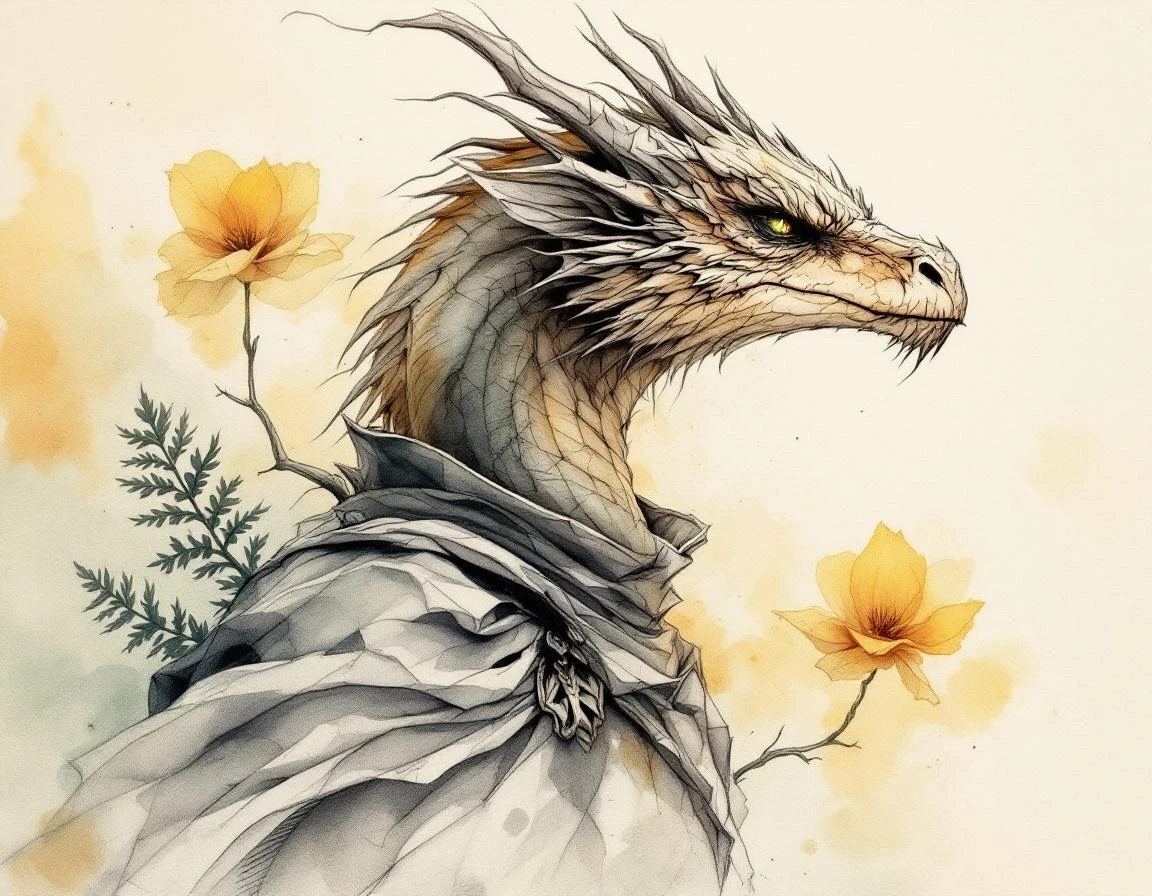

Dragonborn Name Generator - Names for Dragon-Descended Warriors
Dragonborn names carry weight. This generator produces names suited to dragon-descended warriors - for tabletop campaigns, fiction, and fantasy settings.
Understanding Dragonborn Culture and Naming Traditions
Dragonborn descend from dragons - or so the lore insists - and their names carry that weight. Scaled skin, reptilian bearing, a breath weapon that doubles as punctuation: the aesthetics are unmistakable, and the naming conventions follow suit. Most traditions split the name into two parts: a personal name given at birth, built from hard consonants and syllables that sit well in a draconic throat, and a clan name rooted in ancestral deed, elemental affinity, or some physical trait the bloodline has decided to be proud of. Think of how Tolkien's dwarves carried their lineage in their epithets, or how Le Guin's Earthsea names carried genuine power - dragonborn names work in that register, where what you are called is also what you owe. Honor, clan loyalty, martial reputation: these are the values the names are meant to encode. A dragonborn introducing themselves offers more than a label; it gives a brief account of where they come from and what their people have done. That is useful for a writer. It means the name can do characterization work before the character speaks a second line.
Crafting Authentic Dragonborn Character Names
When creating a dragonborn name, consider your character's specific background and relationship to their heritage. A dragonborn raised among their own kind will likely carry a traditional clan name that adheres to cultural patterns. One raised outside dragonborn society might modify their name to fit among other races while still honoring where they came from. Dragonborn names tend toward strong phonetic elements that reflect their draconic nature: hard consonants like *k*, *g*, *r*, and *x*, combined with open vowels that allow for resonant pronunciation. Male names often end with harder sounds (*-ax*, *-ex*, *-gar*), while female names sometimes incorporate slightly more flowing elements while maintaining overall force (*-ara*, *-ira*, *-ys*). The clan name typically follows the personal name and carries equal or greater importance. Clan names often translate to phrases like *Clanless*, *Flamescale*, *Thunderfury*, or *Windrider* in the common tongue, reflecting elemental affinities, notable ancestors, or significant clan history.
Dragonborn Names Across Different Settings and Media
Dungeons & Dragons dragonborn names often track draconic ancestry: red-lineage characters tend toward fire imagery, blue-lineage toward storm or lightning. It's a simple convention, but it works because it gives the name a logic the reader can feel even before they understand it. Fantasy literature and games have produced some genuinely memorable examples. Mehen Khalid from the *Forgotten Realms* novels and Nahagliiv from *The Elder Scrolls* both demonstrate the same instinct: names that sound ancient without being decorative, that carry weight because they suggest a history longer than the character's lifespan. The practical challenge is pronounceability. A name can be unfamiliar and still be speakable - in fact, it has to be, or readers will silently substitute something easier and the name loses its hold. The best dragonborn names find that narrow register where the sounds feel genuinely foreign but the mouth knows what to do with them.
Using the Dragonborn Name Generator Effectively
The dragonborn name generator pulls from established fantasy traditions while adding its own variations. If nothing clicks on the first try, generate a few batches and borrow elements across results - a prefix from one, a suffix from another. Think about what the name needs to carry. A warrior's name might land hard on consonants; a spellcaster's might trail into something softer or stranger. Clan leaders often bear names that sound inherited, weighty with history. Wanderers and exiles sometimes carry names that feel incomplete, as if something has been stripped away. Once you have a name, consider how your character actually holds it. Do they announce their clan name in full, or have they quietly buried it? Has a long personal name worn down to a nickname among people who can't quite manage the original syllables? Small questions like these tend to open up larger ones about where a character came from and what they'd rather forget. The generator works for tabletop campaigns, fiction, and any project where you need a name that sounds like it belongs to something with scales and a long memory.
More Person than Ancestry
Dragonborn names sit between inheritance and personhood. The character is not a dragon, and every name should not sound like a smaller dragon title. Decide whether the society organizes by clan, brood, cohort, element, color, or chosen adult names. Pronunciation matters for tabletop use; the name will be spoken many times.
Clan Pressure
The name should leave room for a formal clan identity and a shorter field name. Ancestry is not the whole person.
Final Naming Pressure
A final check should put the name into a sentence where the creature or character changes the room. If the name only works as a label, keep searching. If it changes how the scene feels, even before anyone explains the lore, it belongs on the shortlist.
Clan Pressure
The name should leave room for a formal clan identity and a shorter field name. Ancestry is not the whole person.
Final Fit Check
For a final dragonborn pass, put the name beside a clan oath and then beside a joke from a traveling companion. If the formal version and the lived version can both exist, the character has room to breathe. Names that only roar rarely survive a long campaign. Names that can be shortened, challenged, inherited, and chosen again tend to feel more like people.
Dragonborn Pressure
Use this Dragonborn note as a scene test, not as decoration. The name should change how the character, creature, or local rumor behaves on the page.
Naming Detail That Matters
Dragonborn names should also make room for chosen adulthood. A young name, clan name, and earned name can all matter, especially in a culture where breath, oath, or battle record changes status. Let a character keep or reject one of those names on purpose. That choice says more than another scale word.
Dragonborn Pressure
Use this Dragonborn note as a scene test, not as decoration. The name should change how the character, creature, or local rumor behaves on the page.
Dragonborn Names between Clan and Chosen Proof
Dragonborn names often need to balance inherited clan identity with a personal deed-name. A hatchling or child may receive a family form, but a soldier, diplomat, smith, or oathbreaker might be known by a harder earned name. Decide whether breath weapon, scale color, ancestor, training order, or public achievement has the stronger claim on the final choice.
Breath, Clan, and Reputation
A good dragonborn name should survive formal introduction and battlefield urgency. Clan pieces can be longer and ceremonial; personal names need shape in the mouth. If the character lives among non-dragonborn communities, choose whether outsiders shorten the name respectfully, clumsily, or not at all. That social friction can do useful characterization work.