
Dragonkin Name Generator - Names for Dragon-Descended Humanoids
Dragonkin occupy a strange middle ground in fantasy - part human, part something older and larger than human - and their names tend to reflect that tension. This generator covers the full spread: the proud lineages of Tolkien-adjacent high fantasy, the tribal warmth of Dungeons & Dragons' dragonborn, the half-feral edge of characters like Rand al'Thor's dragon-marked descendants, and the quieter, more uncanny figures who carry draconic blood without anyone quite knowing what to do about it. Use it for tabletop characters, fiction, or any worldbuilding that takes seriously what it means to inherit something ancient in a body that still has to walk through a market and buy bread.
Dragonkin Across Fantasy Traditions
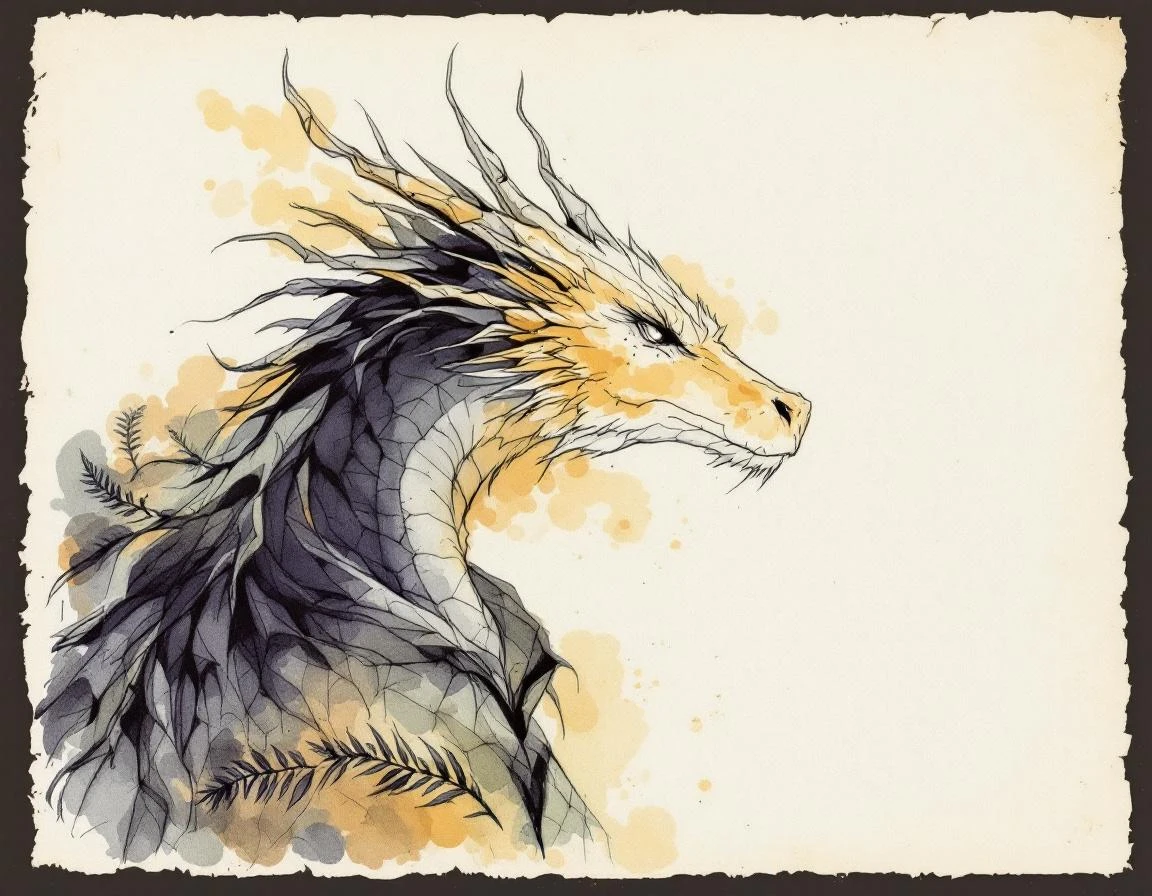
Dragonkin covers a wide range of fantasy beings: dragonborn (the D&D playable race with fully draconic heritage), half-dragons, dragon-touched humans who inherit powers without the physical form, scale-folk who sit somewhere between humanoid and reptilian, and the various dragon-descended nobles and bloodlines that appear across epic fantasy traditions. This makes dragonkin an unusually flexible character concept. A character described as "dragonkin" might be visually indistinguishable from a human except for slitted pupils and an unusual body temperature. Or they might have scales covering half their face, vestigial wings, and a breath weapon they can barely control. The concept is a spectrum, and where a specific character sits on it determines nearly everything about their naming conventions and cultural context. Eastern fantasy traditions - particularly in Chinese and Japanese-influenced settings - treat dragon-descended humans as celebrated noble lineages. The emperor's bloodline is legitimated by its claimed descent from the Dragon; certain martial arts masters carry the "Dragon Vein" that grants them supernatural power. This is a fundamentally different template than the Western one, where dragonkin tend to read as humanoid monsters first and nobles never.
Naming Dragon-Descended Characters
Dragonkin names in Western fantasy tend to follow the same conventions as dragonborn names - hard consonants, strong syllables, names that announce power. But the spectrum of dragonkin means the naming should reflect where a character sits between human and dragon. A dragonkin who is mostly human in appearance and social integration might carry a human name from their culture with a dragon-derived epithet: Marcus Emberblooded, Seraphina of the Wyrm-Kin, Tobias Scaledman. The name lets the character move in human society while the epithet acknowledges what they are. A dragonkin who identifies more strongly with their dragon heritage than their human half tends toward naming conventions closer to dragonborn tradition: a personal name built from draconic phonology (harsh consonants, resonant vowels, syllables shaped for a throat not quite human), paired with a clan or ancestor name that identifies their specific lineage. For Eastern-tradition characters, Chinese and Japanese naming conventions adapted with draconic elements - words for dragon, scale, flame, sky, power - produce names that feel culturally coherent and distinct from Western dragon-naming traditions.
Dragonkin Heritage and Identity in Fiction
The most interesting narrative possibilities for dragonkin characters center on the question of belonging: where do they fit? Dragon societies (if they exist in the setting) may not fully accept them; human societies may fear or distrust them. This in-between status is rich territory for character development. Fiction exploring dragon-human hybrid identity tends to turn on the tension between instinct and choice. Draconic instincts - territorial behavior, possessiveness, the pull toward hoarding, the capacity for violence - are not necessarily evil, but they can sit in direct conflict with the ethics and expectations of human civilization. A dragonkin character who is constantly negotiating between what their biology wants and what their chosen ethics demand is doing interesting internal work. The specific dragon ancestor also matters for characterization. A character descended from a red dragon (in D&D tradition: pride, fire, dominion) carries a different internal landscape than one descended from silver (wit, compassion, curiosity). The ancestor's nature doesn't determine the descendant's character, but it creates a gravitational pull that interesting dragonkin characters either lean into or push against.
Using the Generator for Your Dragonkin Character
When generating dragonkin names, start with two questions: how draconic is this character, and which dragon tradition does their lineage come from? A mostly-human character with a rumored bloodline needs a name that fits their cultural context - with perhaps one syllable that doesn't quite belong. A character who is openly and physically draconic needs a name that announces what they are. Think about the character's relationship to their heritage. Embraced, denied, or held with ambivalence? That emotional weight can be encoded in the name itself. A dragonkin who has fully claimed their lineage might choose or reclaim a draconic name even if they were given a human one at birth. One who is trying to pass as fully human might have buried any draconic elements entirely. For tabletop play, dragonkin are well-suited to questions of identity and inheritance - what we carry from where we came from, and whether we get to choose. The name is usually the first visible statement of that: whether the character uses the draconic name or the human one tells the other players something before the story even starts.
Pin the Body before the Name
Dragonkin covers a wide spectrum. A mostly human courtier with dragon blood needs a different name from a scaled border guard, temple-bred wyrm descendant, or half-dragon mercenary. The term can mean noble descent, contamination, sacred burden, or military asset. Let the name reveal which.
Bloodline Pressure
The name should show what kind of dragon inheritance matters: noble, feared, sacred, or inconvenient. Teeth alone are thin worldbuilding.
Final Naming Pressure
A final check should put the name into a sentence where the creature or character changes the room. If the name only works as a label, keep searching. If it changes how the scene feels, even before anyone explains the lore, it belongs on the shortlist.
Bloodline Pressure
The name should show what kind of dragon inheritance matters: noble, feared, sacred, or inconvenient. Teeth alone are thin worldbuilding.
Dragonkin Names for Mixed Inheritance
Dragonkin names sit in a useful middle space: close enough to draconic grandeur to carry heat, scale, or hoard memory, but flexible enough for villages, mercenary companies, courts, and frontier clans. The best names show how much of the dragon legacy is biological, spiritual, political, or deliberately claimed. A proud lineage name feels different from one used as an insult.
Claimed Blood and Public Doubt
Ask who believes the dragonkin heritage and who profits from denying it. A name might reference a scale pattern, a burned shrine, a dragon patron, or a family that exaggerates its ancestry for status. That uncertainty gives the chosen name something to fight for. It also keeps the page from treating dragonkin as simply smaller dragons.