
Goblin Name Generator - Names for the Small, Clever, Chaotic Folk of Fantasy
Goblin names for the full spectrum: vicious cave-goblins from the dark tradition, chaotic-neutral tricksters of modern fantasy, and player-character goblins slowly realizing they don't have to be the bad guys.
Goblins Across Fantasy Tradition
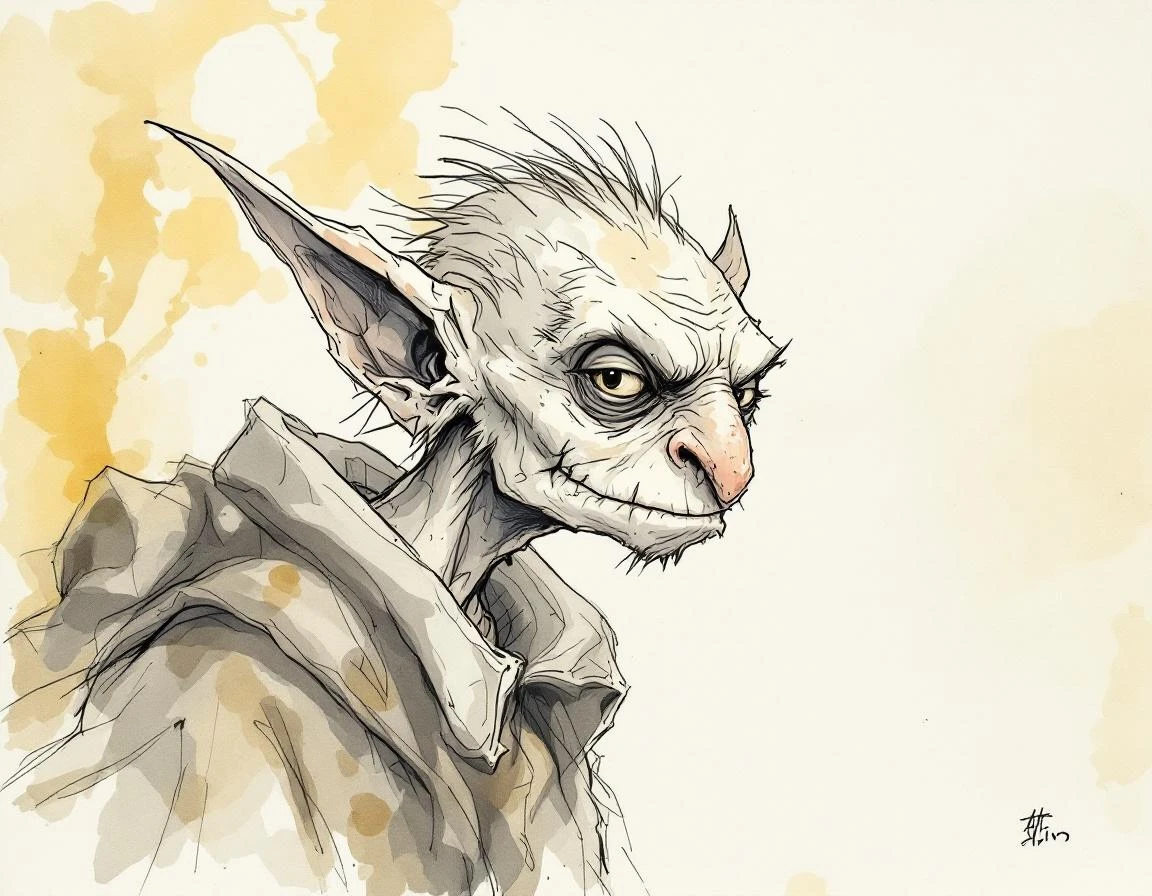
Goblins have the most varied characterization of any fantasy humanoid race. Their depiction runs from mindless violent cannon fodder - the lowest-tier dungeon filler of early D&D - to complex trickster beings drawn from European folk tradition's phooka-adjacent spirits, to genuinely heroic characters in their own right (Pathfinder 2e's goblin player character option casts them as enthusiastically chaotic disaster magnets with hearts of gold, kind of). European goblin folk tradition is more complex than the D&D reduction suggests: goblins were household spirits, cave-dwellers, mischief-makers, occasionally helpful beings who could turn malicious if poorly treated. The hobgoblin, brownie, pooka, and knocker - the mining spirit who alerts miners to cave-ins by knocking on walls - are all goblin-adjacent beings in British and Celtic tradition, each with specific behaviors and specific relationships to human communities. J.R.R. Tolkien's "goblins" (used in *The Hobbit*; he later preferred "orcs") are vicious underground-dwellers with technical skills and malicious intelligence. Terry Pratchett's goblins (*Raising Steam*, *Snuff*) are beings classified as "not quite people" by an ignorant society, who turn out to have a culture of tremendous depth and beauty - their relationship with snot-based art being genuinely touching and intentionally ridiculous at the same time. That's the range.
Goblin Naming: Sound as Character
Goblin names across most fantasy traditions share a phonological profile that signals "small, chaotic, slightly wrong" without tipping into incoherence: short, often monosyllabic, consonant-heavy, easy to shout across a cramped tunnel. The best ones sound like they were coined mid-panic. D&D goblin names tend toward Droop, Varg, Yark, Reesk, Grix, Snik, Pib, Quip, Brak, Tok. Short, sharp, ending in consonants that stop hard. Names for creatures always in motion, always reacting, never still long enough for anything longer to stick. For goblin player characters in modern games - Pathfinder 2e goblins especially, who carry a very specific comedic-enthusiastic-chaotic energy - names can sprawl and usually refer to an incident, an obsession, or a beloved pet. They sound like nicknames that calcified into legal names: "Barf the Magnificent," "Stomp," "Him Over There." The elaborateness reflects actual individual identity, as opposed to the anonymous fodder goblins who get one syllable and a number. For goblins in the European folk tradition, names tend to be fluid and situational. A goblin answers to different things in different contexts, and the "true name," if one exists, is something kept private and close.
Goblins as Player Characters: The Cultural Reclamation
Tabletop gaming's slow rehabilitation of "monster races" into full cultures has gone furthest with goblins, probably because goblins always had the most comic-heroic potential: the underdog everyone wrote off as irredeemably small and stupid, who turns out to have specific and surprising competencies. Pathfinder 2e's goblin lore is a good case study. Goblins have a complicated relationship with fire (they love it, fear it, worship it, and it frequently tries to kill them), with horses (hated, because horses are large and have too many legs), and with dogs (mixed feelings - sometimes pets, sometimes threats). That level of consistent cultural texture makes goblins interesting to play even when they're nominally the enemy faction. For fiction writers, the goblin protagonist following Pratchett's model - a being classified as inferior by ignorant social consensus, who then demonstrates the consensus was wrong - is one of the more durable structures for social commentary. The quality that makes goblins "lesser" by the society's standards is usually the quality that makes them uniquely suited to whatever the story actually requires.
Using the Generator for Your Goblin
When generating goblin names, commit first to the type of goblin you're working with. Dark-tradition goblins - vicious, underground, cannon-fodder-adjacent - need names that feel harsh and short. Trickster-tradition goblins (mischievous, clever, house-spirit territory) need names with more play and variability. PC goblins in the Pathfinder aesthetic need names that sound self-chosen: enthusiastic, possibly incident-referencing, ideally slightly embarrassing. Consider whether your goblin has a given name or a chosen name. In many traditions, goblins aren't named by parents at birth - they're named by the tribe, by circumstances, or by the thing they did that everyone won't stop talking about. The assigned name reflects how the community sees the goblin. The self-chosen name, if they have one, reflects how they see themselves. For tabletop campaigns with multiple goblins, a consistent naming convention across the community - all names referencing fire, or violence, or a specific incident involving a horse - creates cultural coherence even for disposable NPCs. Those small details are what make a setting feel inhabited rather than assembled.
Nicknames with Teeth
Goblin names live on the edge of insult, nickname, and self-invention. Folklore gives household pests, mine spirits, market cheats, cave people, fairy leftovers, and worse. Gaming often makes them disposable. Better names let them be specific. A gang may name by scars, jobs, stolen objects, or the first word a boss shouted at them.
Alley Pressure
The name should sound like it has been used as nickname, insult, and badge. Goblins deserve more than bucket-noise syllables.
Final Naming Pressure
A final check should put the name into a sentence where the creature or character changes the room. If the name only works as a label, keep searching. If it changes how the scene feels, even before anyone explains the lore, it belongs on the shortlist.
Alley Pressure
The name should sound like it has been used as nickname, insult, and badge. Goblins deserve more than bucket-noise syllables.
Naming Detail That Matters
A goblin name can carry ownership and theft at once. Maybe the character stole the name from a boss, inherited it from a joke, or chose it because nobody else thought they deserved one. Goblin names are good places for spite. Let the final choice keep a little grit under the tongue.
Goblin Pressure
Use this Goblin note as a scene test, not as decoration. The name should change how the character, creature, or local rumor behaves on the page.
Goblin Names That Fit Crew, Market, and Mischief
Goblin names are often strongest when they feel quick, social, and slightly transactional. A tunnel crew, junk-market trader, trap maker, clan cook, debt collector, or moonlight scout will each carry a different kind of name. Sharp sounds can help, but the real texture comes from what the community values: speed, clever hands, lucky thefts, survival, jokes, and grudges.
Nicknames with Consequences
Many goblin names work like earned nicknames. Decide whether the name came from a prank, a tool, a scar, a bargain, a stolen bell, or a mistake nobody lets the character forget. A name that can be teased by friends and feared by rivals will do more work than one built only from harsh consonants.