
Dragon Name Generator - Names for the Great Wyrms of Fantasy and Myth
Generate dragon names drawn from world mythology - European wyrms, Chinese lóng, Japanese *ryū*, Norse serpents, Mesoamerican feathered serpents - for epic fantasy, tabletop RPGs, and stories where the creature at the center is older than civilization itself.
Dragons Across World Mythology
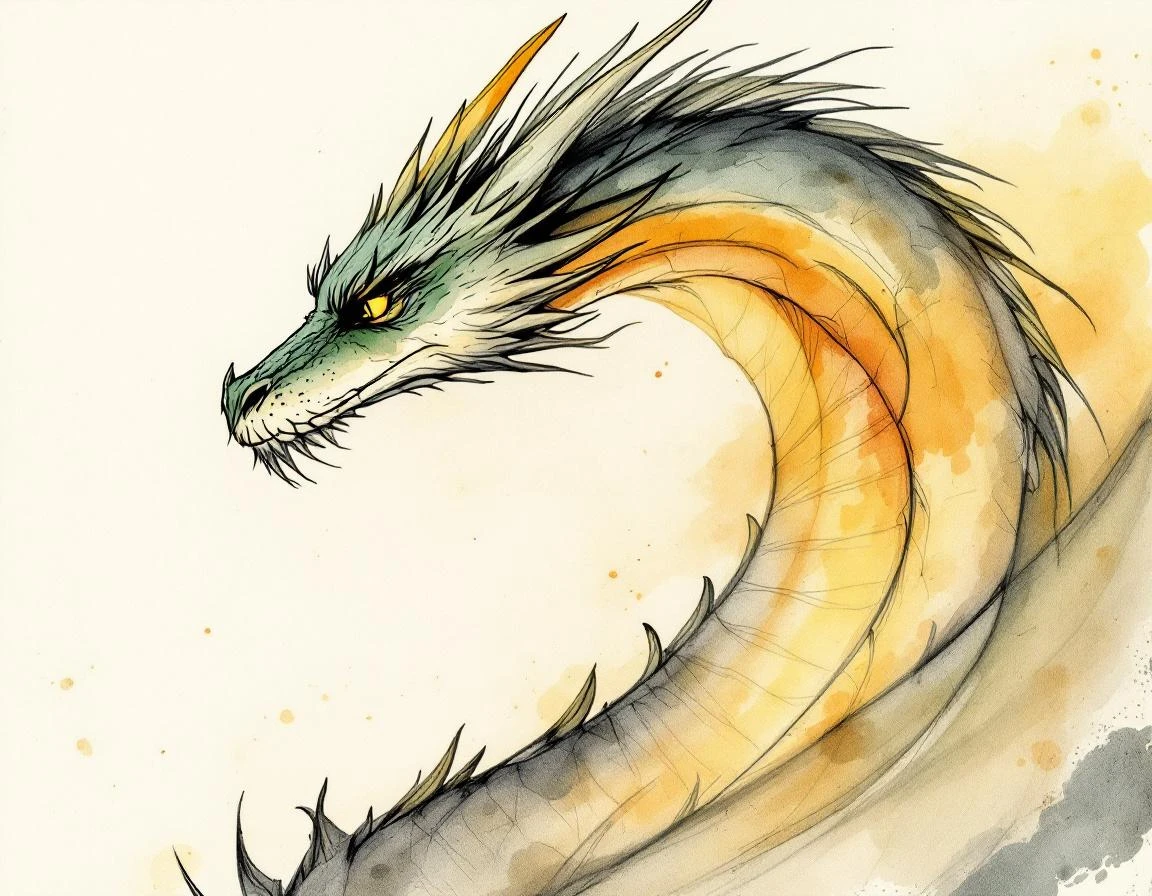
The dragon is one of the few mythological creatures that appears across virtually every major human civilization, independently conceived in each. European dragons descend from Greek serpent-monsters - the Python, the Hydra, the Lernaean Serpent - filtered through Norse Fafnir and medieval Christian symbolism, where the serpent became the embodiment of Satan. Chinese *lóng* (龙) are something else entirely: divine serpentine beings associated with water, wisdom, and imperial power, beneficent rather than threatening, who bring rain and fertile floodplains. Japanese *ryū* draw from the Chinese tradition but develop local inflections. Yamata no Orochi, the eight-headed serpent killed by the storm god Susanoo, is among the most famous. Mesoamerican traditions offer Quetzalcoatl, the feathered serpent whose name means "precious serpent" or "quetzal-feathered serpent," a deity of wind, learning, and the eastern horizon. Persian mythology has Zahhak, the tyrannical king with serpents growing from his shoulders who fed on human brains. For fiction writers, the practical consequence is this: "dragon" does not have a single stable meaning, and using it as if it did is where the trouble starts. A character drawn from the Chinese tradition requires entirely different cultural context than one drawn from the European tradition, even when both have serpentine bodies and supernatural power. The word is a category, not a creature.
Dragon Naming: West, East, and In Between
European dragon names tend toward Germanic, Norse, and Latin roots: Fafnir (Norse, meaning "embracer"), Smaug (from Tolkien, derived from the Germanic verb "to sneak"), Drogon, Rhaegal, Viserion (from George R.R. Martin's *A Song of Ice and Fire*, which uses modified Valyrian). The phonological profile is hard consonants, strong single syllables or two-syllable names - names that feel massive and irresistible in the mouth. Chinese dragon names draw from classical Chinese literature and mythology: Lóng Wáng (Dragon King), Ao Guang, Ao Bing (Son of the Dragon King, from *Journey to the West*), Qinglong (Azure Dragon of the East). Japanese ryū names include Ryūjin (Dragon God), Tatsu, the specific dragons of individual texts like Yamata no Orochi. These names have very different phonology from their European counterparts: more tonal, with different consonant clusters and a tendency toward compound meanings. For invented dragon names in epic fantasy, the most effective approach is to pick a tradition and develop phonological consistency within it. Tolkien's dragons - Glaurung, Ancalagon, Smaug, Scatha, Chrysophylax - all feel like they belong to the same naming system. Martin's dragons carry their Valyrian heritage. Your dragons should have an internally consistent tradition even if it's entirely invented.
Dragon Characters in Epic Fantasy
The most memorable dragons in fantasy are not simply large monsters. They are beings of enormous age, complex intelligence, and devastating power who have developed perspectives on the world that no shorter-lived creature could hold. Tolkien's Glaurung is the father of dragons - ancient, cunning, and psychologically sophisticated enough to curse the heroes he encounters. Smaug is arguably more interesting as a conversationalist than as a fire-breather. Ursula K. Le Guin's dragons in the *Earthsea* series are perhaps the most fully realized in the genre: they are the wild magic of the world itself, amoral rather than evil, beyond human ethical categories, speaking the Language of the Making that is also the language of dragons. Her treatment rejects the good-dragon / evil-dragon binary in favor of something stranger and harder to categorize. For any setting that requires dragons to be more than combat encounters, the most important design decision is: what does the dragon *want*? Dragons in the best fantasy want things that create tension. Smaug wants his hoard and his solitude. Le Guin's Orm Embar wants what all dragons want - freedom from everything, including themselves. The want shapes the name.
Using the Generator for Your Dragon
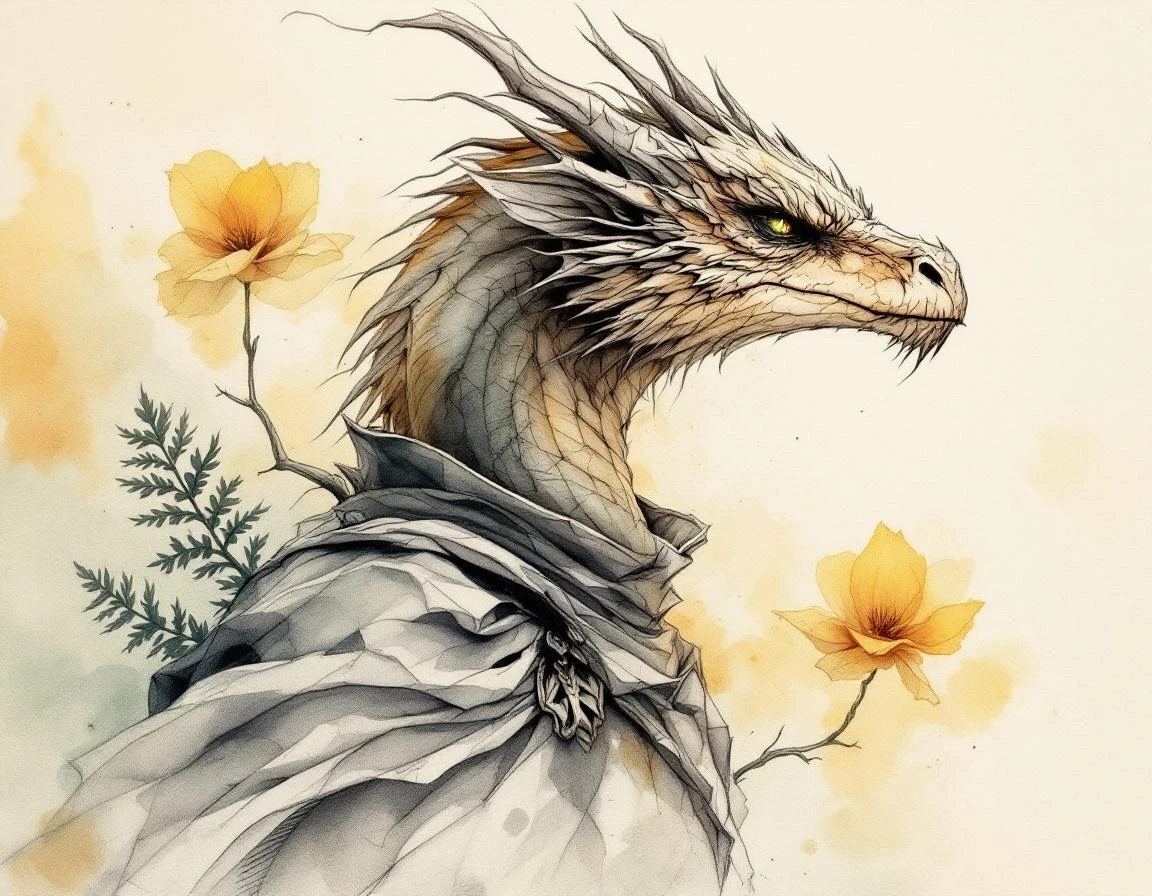
When generating dragon names, start with tradition, then scale, then character. An ancient wyrm who has watched civilizations rise and fall needs a name with geological weight - something worn smooth by centuries of being spoken in fear or reverence. A young dragon still forming their identity might have a name they chose themselves rather than received, and it might be slightly awkward in exactly the way self-chosen names often are. Gender conventions vary by tradition. European lore tends toward male names for the great wyrms and female for lake and sea serpents; Chinese tradition has dragon queens and dragon kings both. Martin's Targaryen dragons are named as male or female but stated to be capable of changing sex. Your dragon's gender expression matters because it shapes which naming traditions feel right. For tabletop RPGs, the chromatic/metallic distinction in D&D correlates with alignment and breath weapon, which can guide the name itself: red dragons toward fire-word roots, blue dragons toward storm and lightning, gold dragons toward the celestial or regal. Let what the dragon *is* shape what the dragon is called.
Fighting Dragon-Name Fatigue
Dragon names have to fight scale fatigue. Readers have seen enough flame, claw, and ancient-title language to go numb. Choose the tradition first: hoard dragon, river dragon, imperial dragon, cave oracle, mount, god, or local disaster with wings. A dragon’s true name may be hidden while humans use a shortened name that is half fear and half convenience.
Scale Pressure
The name should still have force when the dragon is calm. If it needs flames around it to work, choose again.
Naming Detail That Matters
A dragon name can also encode what humans got wrong. People may name the dragon after fire when it thinks of itself as a river power, a judge, or the last child of a buried sky. That mismatch is useful. It lets the writer show arrogance in the culture doing the naming and patience in the creature correcting it.
Dragon Pressure
Use this Dragon note as a scene test, not as decoration. The name should change how the character, creature, or local rumor behaves on the page.
Dragon Names That Account for Age
Dragon names need scale, but scale does not always mean length. A young dragon may have a bright hunting name, an elder may be known by a mountain title, and an ancient dragon may have shed personal names in favor of the disasters and treaties attached to it. Let age decide whether the name sounds born, earned, translated, or feared.
Treasure Names and Enemy Names
Consider who keeps the dragon name alive. Miners, monks, rival dragons, royal genealogists, and children passing a warning all preserve different versions. A name carved in a treaty can be more formal than the one used by a village watching smoke on the ridge. The strongest candidates leave room for those competing records.