
Halfling Name Generator - Names for the Small Folk of the Shire and Beyond
Generate halfling names drawn from Tolkien's hobbits, D&D tradition, and the broader small-folk archetype, for tabletop RPGs and fantasy fiction that takes the small, stubborn, surprisingly competent seriously.
Halflings and Hobbits: The Tradition of the Small Folk
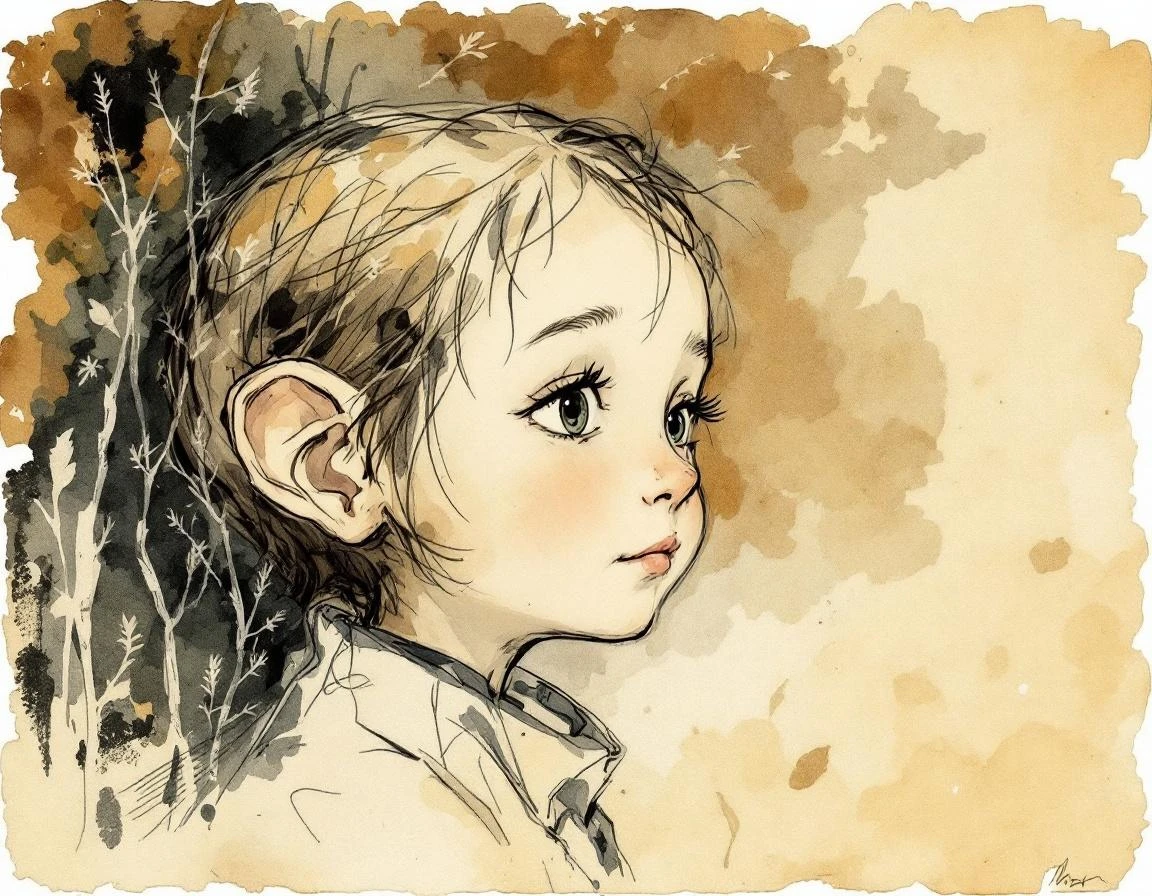
The halfling as a fantasy race descends almost directly from Tolkien's hobbits - the small, comfort-loving, unexpectedly brave beings at the center of both *The Hobbit* and *The Lord of the Rings*. Tolkien invented hobbits essentially whole-cloth, drawing on rustic English village culture, the yeoman farmer tradition, and his own nostalgia for a pre-industrial countryside. D&D renamed hobbits as "halflings" to avoid trademark issues with the Tolkien Estate, keeping the basic template (small, agile, lucky, resistant to fear, fond of food and comfort) while developing distinct cultural variations over successive editions: Lightfoot Halflings are gregarious, comfortable in human cities, and natural sneaks; Stout Halflings are hardier, with dwarf ancestry and a resistance to poison; Ghostwise Halflings are reclusive and telepathic, living in isolated tribal communities that rarely interact with outsiders. The halfling archetype - small, underestimated, dramatically more capable under pressure than anyone expected - is one of fantasy's most durable because it inverts the conventional equation of physical size with heroic significance. The halfling is the definitive "you underestimated me" character type.
Halfling Naming: English Rural and Comfort-Culture Conventions
Tolkien's hobbit names follow a recognizable internal logic: male hobbits get English-adjacent names with slightly off-kilter elements (Bilbo, Frodo, Meriadoc, Peregrin, Bandobras, Tobold, Paladin, Diamond); female hobbits get floral or gemstone names (Rosie, Lily, Daisy, Pansy, Ruby, Poppy, Pearl); family names are compound constructions evoking comfortable rural life (Baggins, Took, Brandybuck, Gamgee, Bracegirdle, Proudfoot). D&D halfling names follow a similar pattern but simpler: personal names in Tolkien's mold (Alton, Cade, Corrin, Eldon, Errich, Finnan, Garret, Lindal, Lyle, Merric, Milo, Osborn, Posso, Remy, Rosie, Sadie, Samen, Toblen, Wenthia) paired with family names that read like rural-English compounds (Goodbarrel, Greenbottle, Highhill, Hilltopple, Leagallow, Tealeaf, Thorngage, Tosscobble, Underbough). For original halfling or small-folk naming, the goal is English-rural without tipping into names that are simply English names. They should feel like they belong to a culture that happens to be linguistically close to English - the way hobbits feel both familiar and slightly alien.
Halflings in Fantasy Fiction: Beyond the Comfort Zone
The most interesting halfling characters in contemporary fantasy subvert the "comfort-loving homebody" template by exploring what happens when halflings are pushed past comfort into genuine extremity. Tolkien's Frodo is the original case: a halfling who carries the most dangerous object in the world into the most dangerous place in the world because no one with more power could be trusted not to want it for themselves. Pathfinder's halflings develop this further through a parallel culture of subtle resistance. Many halflings in that setting have been enslaved, and their culture has built psychological and practical tools for surviving subjugation - tools that make them more complex than mere comfort-seekers. It's a darker take, and it earns its darkness by treating the halfling condition seriously rather than ironically. For writers, the halfling who doesn't fit the expected mold - the assassin, the warlord, the one who left their comfortable culture behind for reasons that damaged them - offers real narrative territory. The gap between the template and the actual character is itself the story.
Using the Generator for Your Halfling Character
When generating halfling names, decide first how close to the Tolkien/D&D template you're working. A Tolkien-adjacent world calls for names that feel like variations on that tradition. An original setting gives you room to develop halfling naming conventions that diverge from it entirely. The family name matters as much as the personal name. In Tolkien's tradition, a family name tells you something real about the people who carry it - Tooks are restless and adventurous, Sackvilles are acquisitive and status-conscious, Gamgees are steady and dependable. When you invent a family name for your halfling, think about what it says about the lineage, and how your character stands in relation to it. Do they embody it? Escape it? Embarrass it? For tabletop play, halfling names earn their keep through contrast. A halfling assassin named Rosie Goodbarrel is funnier and more unsettling than one with a stock dark-fantasy name, because the gap between the name and the act is doing narrative work. Use the tradition, then break from the expected behavior, and let the name be part of the subversion.
Domestic Does Not Mean Childish
Halfling names are strongest when they sound domestic without becoming childish. Tolkien’s hobbits brought gardens, meals, genealogy, and village gossip into epic fantasy; D&D made the type more mobile and lucky. A good name can carry food, weather, roads, and family memory, but it should also survive danger.
Hearth-Road Pressure
The name should carry comfort without making the character childish. It has to survive danger as well as supper.
Final Naming Pressure
A final check should put the name into a sentence where the creature or character changes the room. If the name only works as a label, keep searching. If it changes how the scene feels, even before anyone explains the lore, it belongs on the shortlist.
Hearth-Road Pressure
The name should carry comfort without making the character childish. It has to survive danger as well as supper.
Final Fit Check
For a final halfling pass, listen for family. A surname can remember an orchard, a kitchen accident, a road toll, a river bend, or an old joke nobody explains to outsiders. That small domestic history is not fluff. It is what makes courage surprising later, because the name still smells faintly of home when the character steps into danger.
Halfling Usage Test
Use this note to test the name in a real scene, where local speech and story pressure matter more than decoration.
Final Naming Pressure
One last halfling check: let the surname carry local memory. It can remember a field, toll bridge, apple cellar, family joke, or old disgrace. That smallness is not weakness. It gives the character something ordinary to carry into danger.
Halfling Usage Test
Use this note to test the name in a real scene, where local speech and story pressure matter more than decoration.
Halfling Names for Hearth, Road, and Reputation
Halfling names often need warmth, but warmth should not erase adventure. A farmer, innkeeper, smuggler, map seller, pie judge, river pilot, and retired burglar may all sound neighborly while belonging to very different stories. Family names can carry gardens, roads, pantry jokes, local hills, or a famous practical victory that outsiders underestimate.
Comfortable Names with Sharp Edges
Try the name at a kitchen table and during a risky escape. If it only works in comfort, add a travel scar, trade route, or family secret. Halfling names are memorable when they sound like people who keep good records, share meals, and still know exactly where the hidden knife or spare key is kept.