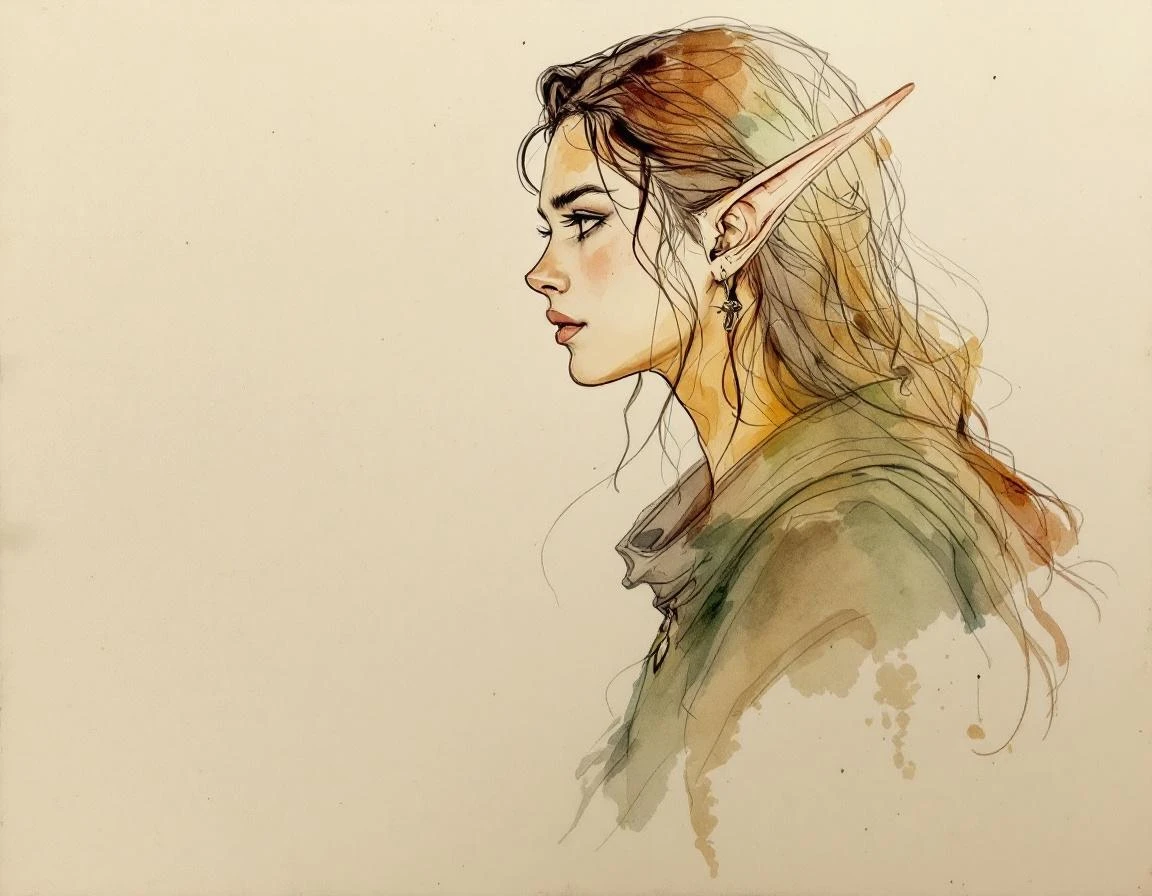

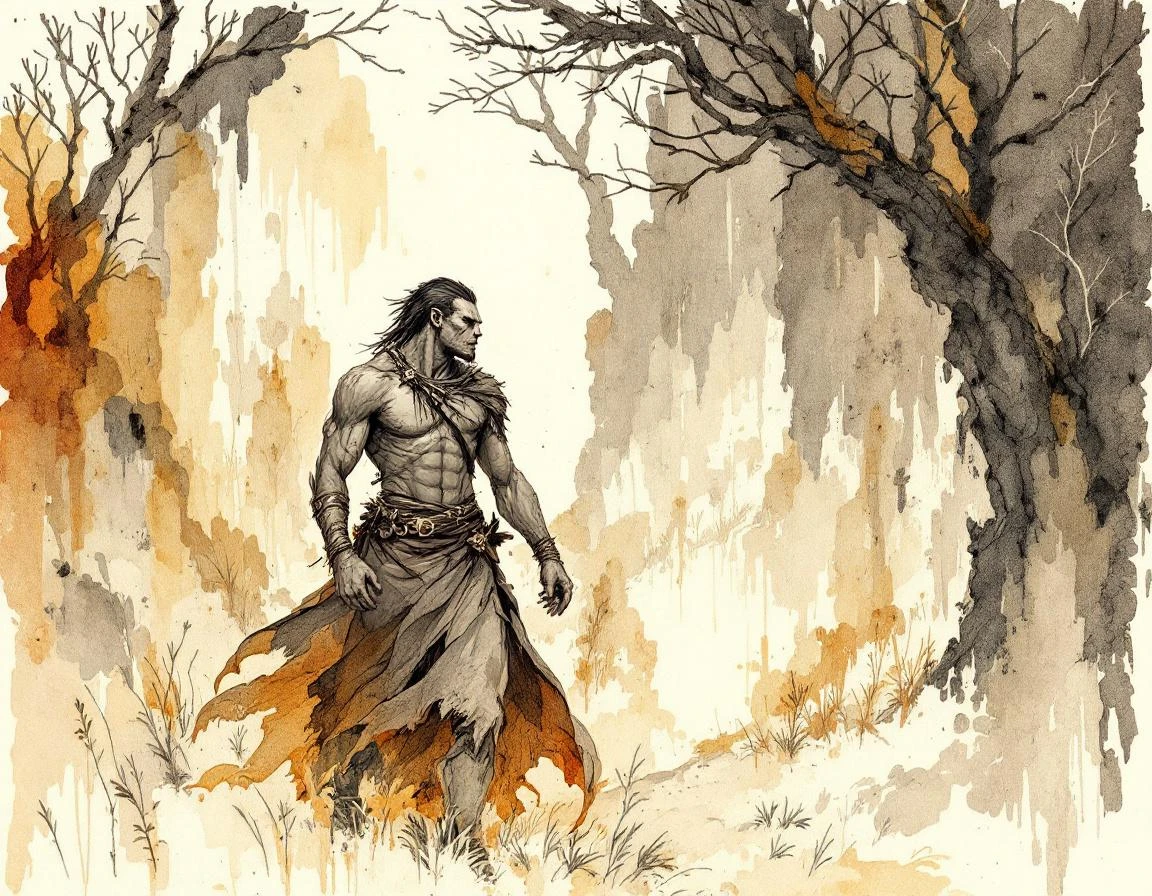
Half-Elf Name Generator - Names for Characters Caught Between Two Worlds
Generate half-elf names for characters who carry both human and elven heritage without quite fitting into either world - for tabletop RPGs, fantasy novels, and stories about what it means to belong nowhere and everywhere at once.
Half-Elves and the Myth of Belonging
The half-elf occupies one of fantasy's most enduring liminal positions: the child of two worlds who belongs fully to neither. In every major fantasy tradition that includes both humans and elves, half-elves face a specific double alienation - not human-short-lived enough for human communities, not elvish-immortal enough for elven ones. Tolkien's Half-elven (the Peredhil) were literally given a cosmic choice between the two fates: Elrond chose the kindred of Elves and lived immortally; his brother Elros chose the kindred of Men and became the first king of Númenor. This forced choice - decide which half to be, or live permanently in the ambiguity of neither - is the emotional core of the half-elf experience across fantasy traditions. D&D half-elves are explicitly characterized by this liminal status, gaining some advantages of both races while technically belonging to neither culture fully. The "outsider who passes" in human society and the "never quite right" feeling in elven society are the half-elf's defining social experiences. For fiction writers, this makes the half-elf a particularly useful vehicle for exploring actual experiences of being mixed-heritage, biracial, or existing across cultural identities that don't fully accommodate each other - if handled with the care that requires.
Naming the Half-Elf: Two Traditions in Tension
Half-elf naming in most fantasy traditions follows the character's specific heritage and the community that raised them. A half-elf raised among elves gets an elven name - Quenya or Sindarin in Tolkien-adjacent settings, or the equivalent in original worlds. A half-elf raised among humans gets a human name from whatever culture claimed them. The choice is itself characterization. A half-elf who uses their elven name in human company is making a statement about where they belong, or where they want to. One who uses a human name when visiting their elven parent's village is making a different statement. One who keeps two names, one for each world - the code-switching that real mixed-heritage people handle constantly - is doing the most honest thing. For original naming, combining elements from both traditions of the specific setting produces names that feel genuinely in-between: an elven root with a human suffix structure, or a human name paired with an elven middle name they only use with people who know both halves of their history. The split identity shows up in the syllables.
Famous Half-Elves: Elrond, Tanis, Zevran
The most famous half-elf characters in fantasy fiction offer different answers to the same problem. Tolkien's Elrond chose the elven kindred after enormous loss: his brother chose mortality, his wife was captured and never fully recovered, his daughter would eventually make the same choice for love. His wisdom is haunted by everything it cost him. His name is Sindarin - "star-dome," or "vault of stars." Tanis Half-Elven from *Dragonlance* wears his heritage in his name itself (Half-Elven as surname, announcing what he is before anything else is said). He is defined by self-division, by difficulty committing to any identity or relationship. Arguably the most influential half-elf character after Elrond, he is less a hero than a man who cannot stop questioning whether he is one. Zevran from Dragon Age is a different case: an elf who has learned to move through a human-dominated world with the particular competence of someone who has been underestimated his whole life and figured out how to use it. His character is a reminder that this template doesn't require tragedy. It can produce sharp humor and cold tactical intelligence instead.
Using the Generator for Your Half-Elf
When generating half-elf names, start with the community that raised the character and weight the naming accordingly. Then think about what this character calls themselves in different contexts - and whether there's a gap between the name they use and the name they privately think of as their own. A half-elf's name is often the first declaration of how they handle their identity. A name that foregrounds one heritage says something. A name that deliberately combines both says something different. A name that is entirely neutral, neither obviously elven nor obviously human, is a choice to be defined by something other than the heritage binary. For tabletop RPG characters, the half-elf's social advantages (in D&D: proficiency in Charisma-based skills, access to both human and elven social contexts) should shape the narrative use of their name. A character skilled at passing in multiple social contexts might carry a name that works in both elven and human phonological systems. One who refuses to pass, who insists on their full identity in every room they enter, might have a name that is clearly and unmistakably hybrid.
Who Got to Name the Child
Half-elf names usually carry social pressure. The question is not how to split human and elven syllables down the middle. The question is who got to name the child, and who kept renaming them afterward. A village may shorten the elven name. A court may preserve a formal name while treating the bearer as temporary.
Belonging Pressure
The name should show who named the child and who renamed them later. Mixed heritage is social, not arithmetic.
Final Naming Pressure
A final check should put the name into a sentence where the creature or character changes the room. If the name only works as a label, keep searching. If it changes how the scene feels, even before anyone explains the lore, it belongs on the shortlist.
Belonging Pressure
The name should show who named the child and who renamed them later. Mixed heritage is social, not arithmetic.
Half-Elf Names between Two Naming Rooms
Half-elf names are most compelling when they show negotiation rather than simple mixture. One side of the family may offer an elegant ancestral form, while the other needs a name that works in market stalls, legal records, or military rosters. The character may accept both, reject both, or keep a private version that neither community fully controls.
Names That Reveal Belonging and Distance
Decide who hears the name as elven, who hears it as human, and who hears it as neither enough. A half-elf protagonist can gain texture from mismatched nicknames, translated surnames, or a formal name that exposes family politics every time it is spoken. The right choice should make belonging feel active.