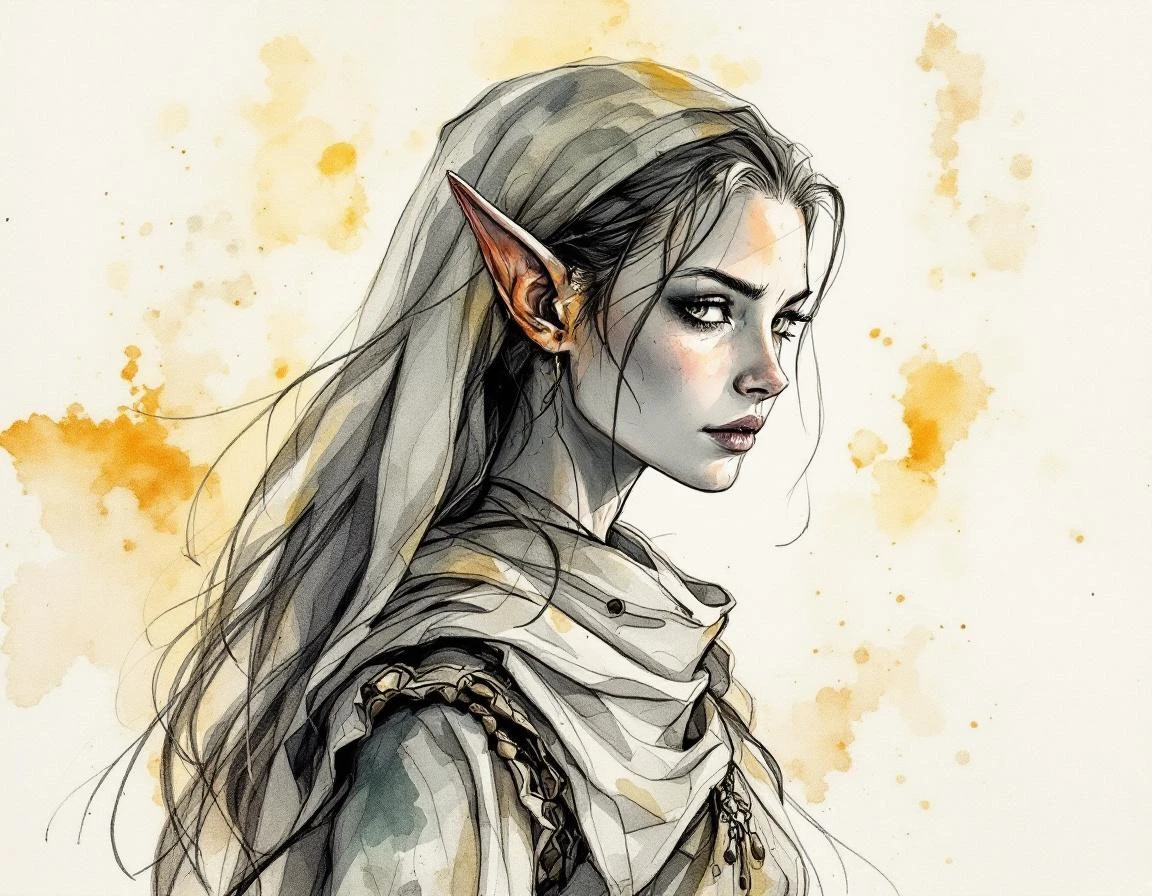

Dark Elf Name Generator - Names for the Shadow Kin of Fantasy
Dark elves have accumulated a rich literary history, from Tolkien's Moriquendi - the Elves of Darkness who never saw the light of Valinor - to the Drow of Gary Gygax's *Forgotten Realms*, to the *Dökkálfar* of Norse cosmology. Each tradition imagines them differently: exiled, cursed, simply other. What they share is shadow as identity, more than backdrop. The names here draw on those sources. Consonant-heavy, sibilant, built for characters who carry their estrangement in how they sound. Whether you're running a tabletop campaign, writing secondary-world fiction, or building a culture from the ground up, the generator gives you a starting point grounded in how dark elf names have actually worked across the genre.
Dark Elves Across Mythology and Fiction
Dark elves carry a surprisingly varied pedigree across mythological and fictional traditions. In Norse mythology, the Dökkálfar and Svartálfar occupy distinct cosmic positions from the Ljósálfar; the Prose Edda situates them differently across its layered cosmology, and scholars still debate whether the dark elves and dwarves are the same beings under different names. What's clear is that the Norse tradition established a binary of light and shadow that runs through nearly all subsequent dark elf mythology. Tolkien's treatment is more nuanced. The Moriquendi - "Elves of Darkness" - are simply elves who never made the journey to Valinor and never saw the light of the Two Trees. They are not corrupt; they lack a particular kind of experience and grace. The Avari, the elves who refused the Great Journey, are dark elves by this classification, and Tolkien treats their difference with respect rather than condemnation. Dungeons & Dragons' Drow, created by Gary Gygax and developed most fully through the Forgotten Realms setting, took the underground-dwelling dark elf in a more sinister direction: a society built on cruelty, treachery, and the worship of Lolth, the spider goddess. The Drow remain the most influential dark elf template in gaming, establishing conventions that appear in countless games, novels, and visual media: white hair, dark skin, red eyes, matriarchal hierarchy, spider motifs.
Dark Elf Naming: Drow, Norse, and Invented Tradition
Drow names from the *Forgotten Realms* follow recognizable patterns: apostrophes marking consonant shifts that don't exist in English, multi-syllabic constructions, dense internal consonant clusters. The famous examples - Drizzt Do'Urden, Jarlaxle, Viconia DeVir, Quenthel Baenre - have made the apostrophe-heavy approach a cultural shorthand, and by now, something of a cliché. For original dark elf naming that steps away from the Drow template, Old Norse offers more room. The *dökkálfar* tradition draws on actual Scandinavian phonology: *tj*, *sk*, *ny*, *ø* sounds that give names mythological weight without the borrowed R.A. Salvatore syntax. For entirely invented traditions, a few phonological principles hold up: shadows suggest soft consonants (*sh*, *th*, *v*, *z*); underground settings pull toward deep vowels (*o*, *u*, *oo*); aristocratic cruelty calls for precision, clipped syllables, hard endings. A dark elf name should feel like it has edges.
Dark Elves in Fiction: Beyond the Drow
R.A. Salvatore's Drizzt Do'Urden novels defined dark elf characterization for a generation of readers, establishing the archetype of the morally good individual trapped in an evil society. The template endures because it locates moral conflict in community and belonging: to remain ethical, you must become an exile. Beyond Salvatore, dark elves appear across very different traditions. Warhammer Fantasy's Druchii are explicitly sadistic slavers, with little ambiguity intended. The Elder Scrolls' Dunmer are something stranger - a proud, alien culture that resists easy moral categorization. In Japanese light novels, particularly the isekai subgenre, dark elves are common enough that writers now routinely subvert or play against the evil-elf convention rather than simply repeat it. The most interesting characterizations complicate the light/darkness binary. A dark elf whose culture values things a human protagonist recognizes - family loyalty, craft mastery, excellence under pressure - is more compelling than a straightforward villain, even when their methods are brutal. The horror and the sympathy have to coexist.
Using the Generator for Your Dark Elf Character
When generating dark elf names, decide first which tradition you're drawing from. Drow-tradition names need specific phonological qualities that distinguish that sub-genre; Norse-tradition dark elf names need different sounds entirely; original dark elf cultures require you to define the naming conventions yourself before the generator can be useful as a starting point. Think about class and house structure. In most dark elf traditions, name structure signals social position - a major noble house name carries different weight than a common name, and both differ from a name that's been stripped as punishment. The naming system tends to function as social control: taken names are a form of erasure, and the decision to reclaim or replace one is a significant character act. For tabletop RPG characters, dark elf names benefit from having a short form that works in actual play. *Drizzt* works because it's short; the full house names and titles can exist for worldbuilding depth without being what anyone says at the table. Give your character both: the real name, and the version people call them.
Choose the Dark Elf Tradition First
Dark elf names need a position on the old argument between Norse dokkalfar, Tolkien’s Moriquendi, and D&D drow. If you want to escape apostrophe-heavy imitation, use a cleaner sound: tight vowels, controlled sibilants, endings that feel aristocratic without looking like costume jewelry. Culture matters more than darkness. A diplomat, exile, priestess, fungus farmer, and assassin should not all sound like they came from the same villain menu.
Culture Pressure
The name should tell you which society shaped the character, not simply announce darkness. Avoid borrowed drow punctuation unless the setting earns it.
Naming Detail That Matters
A dark elf name should also reveal how the character handles outsiders. Some names are for house records, some for surface trade, some for enemies, and some for family rooms where politics lowers its voice. If the story gives every dark elf one theatrical name, the culture shrinks. Let public and private names disagree.
Dark Elf Pressure
Use this Dark Elf note as a scene test, not as decoration. The name should change how the character, creature, or local rumor behaves on the page.
Dark Elf Names and Political Shadow
Dark elf names work best when they point to faction, exile, taboo, or cultivated elegance rather than simple evil. A noble house may favor lacquered, formal names with inherited endings, while spies, tunnel guides, and border traders may use practical aliases that survive interrogation. Decide whether the name is a birthright, a mask, or a warning others learned too late.
House Names and Surface Names
A dark elf who travels above ground may carry more than one version of the same name: a court form, a clan form, and a version made pronounceable for outsiders. Those differences can reveal class, loyalty, and risk. If every syllable sounds equally sharp, soften one part with family history or place memory so the character has depth.