
Harpy Name Generator - Names for the Wind-Spirits and Storm-Women of Greek Myth
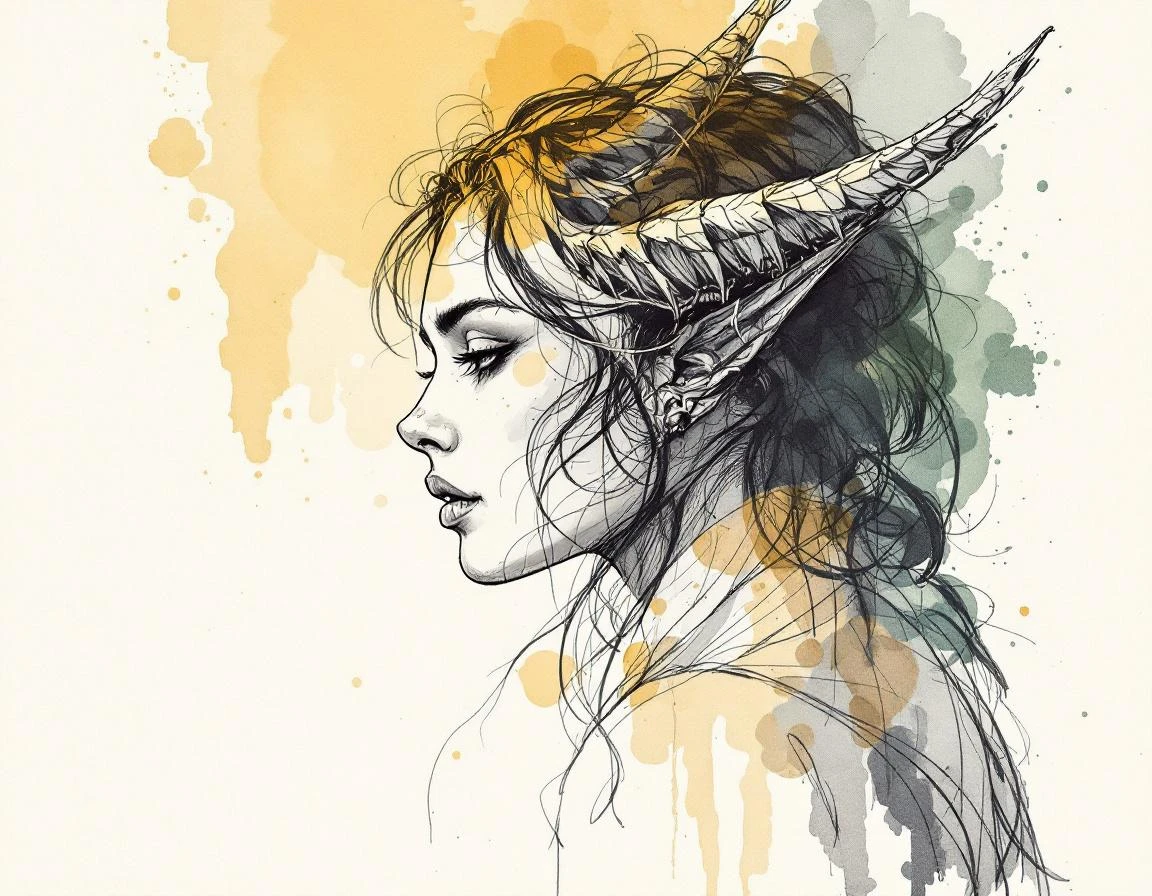
The harpy names this generator draws from belong to the same tradition as Aello, Celaeno, and Ocypete: Greek wind-spirits who became, somewhere between Hesiod and the medieval bestiaries, something closer to monsters. If you write dark fantasy or horror, or any story where flight and violence can't be separated, these names are built for that.
Harpies in Greek Mythology
In Greek mythology, Harpies are older and stranger than their later monster-woman-with-wings form suggests. Their name comes from the Greek *harpazein*, meaning "to snatch" or "to carry off" - they are originally personifications of storm winds, specifically the sudden gust that takes things away completely. Hesiod names two: Aello ("storm swift" or "whirlwind") and Ocypete ("swift wing"). Later traditions add Celaeno ("the dark one"), Podarge ("fleet foot"), and Nicothoe. In the myth of the Boreads and Phineus, Harpies function as instruments of divine punishment. Sent to harass the blind prophet Phineus, they steal or foul his food every time he tries to eat, turning his gift of prophecy into a curse. The Boreads - winged sons of the North Wind - chase them off, but spare them on the condition they leave Phineus alone. The myth treats Harpies not as predatory monsters but as agents of a specific, targeted torment. For fiction writers, the older version is the more interesting one. A being who *is* the swift snatching wind is stranger and more philosophically unsettling than a stock winged woman who attacks. The abstraction is the point.
Harpy Naming: Wind and Darkness
The classical harpy names encode nature directly: Aello (storm wind), Ocypete (swift wing), Celaeno (dark cloud), Podarge (fleet-footed), Nicothoe (swift as victory). These are descriptive labels, not personal names in any modern sense - the harpies were personified forces before they were characters, and the names reflect that. For original harpy names, the natural source material is Greek vocabulary for wind, storm, swiftness, and darkness: *anemos* (wind), *thyella* (storm), *aura* (breeze), *akaios* (swift), *keras* (darkness). Combining these roots with standard Greek feminine endings produces names that sit comfortably within the tradition without simply recycling Hesiod's roster. For settings where harpies have become people rather than phenomena - where they have history, lineage, something worth naming children after - the naming logic can shift. A civilization old enough to have developed culture would name for ancestors and events, more than weather. The wind-and-storm phonology would probably persist, though. It has been in their names long enough to feel like theirs.
Harpies in Modern Fantasy and Gaming
Modern fantasy has pulled harpies in two directions: pure monster (the D&D harpy whose compulsion-song is as dangerous as any siren's) and something more complicated - YA series with harpy societies, matriarchal hierarchies, aerial politics. Neither is wrong. They're drawing on different aspects of the same original figure. The snatching-wind quality of the Greek myth is what makes harpies useful as a narrative device. Something arrives without warning and takes something irreplaceable before you can react. That's not a combat encounter. That's grief, or bad luck, or the way a storm doesn't wait for you to be ready. Writers who reduce harpies to flying fighters are leaving the interesting part on the table. The more compelling question, for writers who want to give a harpy genuine interiority, is perceptual: what does it feel like to be a creature whose nature is speed, who experiences the world at a velocity no ground-dweller can match? To a harpy, humans might register as nearly motionless - slow-blooded things rooted to the earth, making their ponderous decisions. That gap, between a consciousness built for velocity and the sluggish world it moves through, is where character actually lives.
Using the Generator for Your Harpy Character
When generating harpy names, decide first whether this harpy is primarily a force of nature - in which case a name encoding wind or storm qualities fits most naturally - or a person with individual identity within a harpy culture, where naming conventions can be more varied. Consider the harpy's relationship to her own name. In the original tradition, the name is simply what the harpy *is*: Aello is storm-wind the way Poseidon is the sea. A more individualized harpy character might have a name that was given rather than simply true, and her relationship to that name might be complicated. Does it describe who she is, or who her parents hoped she would be, or what her culture classified her as? For tabletop RPG harpies, the magical compulsion their song provides (in D&D tradition) creates interesting tactical and narrative territory. An NPC harpy who uses her song to compel rather than fight is a puzzle rather than a combat encounter, and her name should feel like it belongs to a being who wins through charm and misdirection rather than direct violence.
Wind, Appetite, and Insult
Harpy names should have wind and appetite, but also insult. In Greek myth the Harpies are snatchers, storm women, agents of punishment, and bird-bodied figures who foul what they touch. Later fantasy often makes them shrieking flock monsters. Stronger names keep the storm, the hunger, and the social voice in the same hand.
Cliff Pressure
The name should carry wind and insult without reducing the harpy to a shriek. A flock name and a sailor’s curse may disagree.
Final Naming Pressure
A final check should put the name into a sentence where the creature or character changes the room. If the name only works as a label, keep searching. If it changes how the scene feels, even before anyone explains the lore, it belongs on the shortlist.
Cliff Pressure
The name should carry wind and insult without reducing the harpy to a shriek. A flock name and a sailor’s curse may disagree.
Naming Detail That Matters
A harpy name can carry vertical geography. Cliff ledges, storm paths, mastheads, and carrion fields all change the sound. If the name could belong equally to a tavern witch, it needs more wind in it. If it is only a shriek written down, it needs more mind.
Harpy Pressure
Use this Harpy note as a scene test, not as decoration. The name should change how the character, creature, or local rumor behaves on the page.
Harpy Names Carried by Wind and Insult
Harpy names often arrive through hostile voices, so decide whether the name is self-given, flock-given, or an insult repeated by sailors and soldiers. A cliff-nesting elder, storm messenger, scavenger queen, cursed woman, and divine punisher all need different registers. Wing sound, hunger, prophecy, and weather can shape the name without reducing it to shrieking.
Flock Speech and Enemy Speech
A good harpy name may have a harsh public version and a more musical flock form. Let updrafts, nesting ledges, stolen offerings, and warning cries influence the sound. If the name only communicates ugliness, it misses the chance to show social bonds, intelligence, and the history of who got to describe the harpy first.