
Chimera Name Generator - Names for Multi-Headed Mythological Hybrids
Generate names for chimera characters, the multi-bodied hybrid monsters of Greek myth and fantasy, for epic fiction, dark fantasy, and worldbuilding where the boundaries between species collapse or were never drawn at all.
The Chimera in Myth and Literature
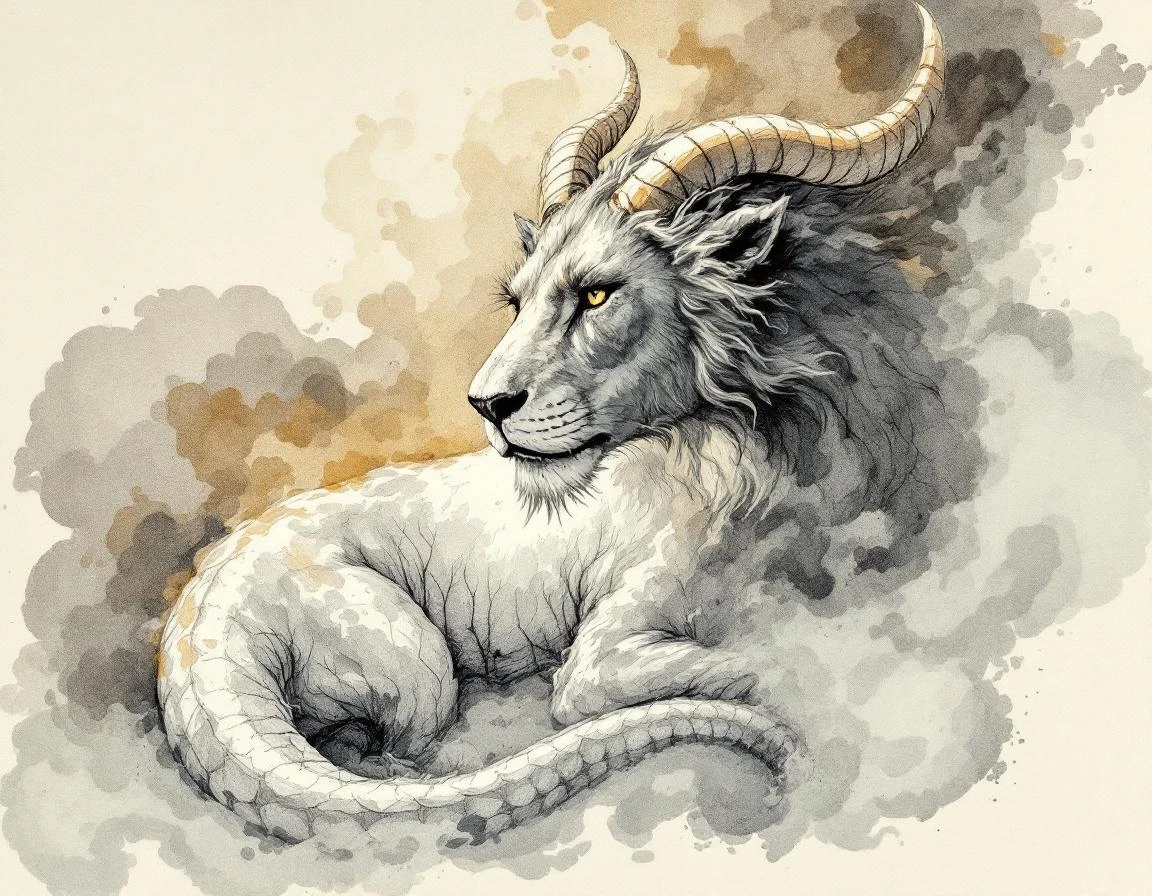
The Chimera of Greek mythology is one of the most precisely described monsters in classical literature. Homer gives us the original specification in the *Iliad*: "lion in front, serpent behind, goat in the middle, breathing fire." Hesiod adds that she was a daughter of Typhon and Echidna, the primordial monster couple who parented most of the great creatures of Greek myth. The Chimera terrorized Lycia until the hero Bellerophon, mounted on Pegasus, killed her by driving a lead-tipped lance into her fire-breathing mouth - the lead melting from her own flame and suffocating her. Beyond the specific Greek creature, "chimera" has entered language as a concept: any improbable combination, a hopeless dream, an impossible hybrid. In modern biology, a chimera is an organism carrying two distinct sets of DNA. In fantasy and science fiction, chimeric creatures - deliberately or accidentally made hybrids - appear as a recurring motif that raises questions about identity, nature, and the ethics of creation. For writers, the chimera myth is useful precisely because of the specificity of its original description. Unlike vague "monsters," the chimera has a body that means something: the lion is pride and strength, the goat is sacrifice and fertility, the serpent is wisdom and danger. A chimera character who understands their own symbolic composition is a character with depth.
Naming Hybrid and Composite Creatures
Naming a chimera is a genuine creative problem: should the name reflect the creature's multiplicity, or should it be a unified identity that transcends the parts? Both approaches work, and they signal different things about the chimera's self-understanding. A name that reflects multiplicity might draw from the traditions associated with each component animal. A lion-serpent-goat chimera could carry sounds from three separate naming registers, deliberately compound or hyphenated, discordant in the way its bearer is - three things that don't quite cohere. A unified name treats the chimera as a single entity that has integrated its components into something new. It might be lean and unapologetic, refusing to acknowledge the seams. It might feel ancient and singular, as if the chimera predates the categories being combined. Greek mythology's *Chimaira* is itself a unified word - the creature named, not described. For original chimera characters in fiction, the most durable names tend toward unity: a phonological profile that hints at strangeness without collapsing into obvious compound-naming.
Chimeras in Modern Fantasy and Science Fiction
The chimera appears constantly in speculative fiction, though rarely under that name. H.G. Wells' *The Island of Doctor Moreau* established the template for science fiction's genetic hybrid: a creature produced by deliberate violation of species boundaries, whose existence is an argument about what the natural order is for. Contemporary biotech horror works the same vein, usually with more molecular detail and similar dread. Fantasy chimeras tend to stay closer to the Greek original - creatures made by gods, cursed transformations, magical experiments that exceeded their brief. Dungeons & Dragons' Chimera is essentially Bellerophon's monster translated into a game encounter, and the more interesting designers have noticed that multiple heads implies multiple minds. A chimera whose heads disagree about what to do with the adventurers is a richer problem than one that simply attacks. For writers who want the imagery without the literal creature, Salman Rushdie's *The Satanic Verses* is the obvious touchstone. Rushdie uses chimeric transformation to think about identity, heritage, the experience of being assembled from elements that don't resolve into a single coherent self. That figure - the chimera as anyone who contains multitudes that remain in tension - is available to literary fiction whenever the monster would be too on-the-nose.
Using the Generator for Your Chimeric Character
Decide first whether your character understands themselves as one thing or many things. That question shapes the naming strategy and, ultimately, shapes the character. Consider the order of the creature's parts. Homer puts the lion first - the chimera leads with strength and pride, even if her middle is goat and her tail is serpent. In your chimera, what leads? What is its primary nature, even amid the multiplicity? That primary nature should be audible in the name. For worldbuilding purposes, think about what creates chimeras in your setting. If they're divine experiments, their names might come from divine naming traditions. If they're the result of wild magic, their names might be strange and slightly wrong, like their bodies. If they're the product of deliberate breeding programs or magical science, they might have systematic names, designations more than names, and the question of whether they've given themselves a personal name is itself a character beat.
A Body That Argues with Itself
A chimera name should feel assembled, but not random. Decide whether the name belongs to one mind, several minds sharing a body, or the people who built or discovered it. A laboratory chimera might have a clinical tag that becomes a name through pity. A mythic chimera may carry syllables that snag against each other. Avoid simply gluing animal words together.
Hybrid Pressure
The name should feel assembled without becoming a parts list. Let one join in the sound remain a little uncomfortable.
Last Pass for This Page
A final check should put the name into a sentence where the creature or character changes the room. If the name only works as a label, keep searching. If it changes how the scene feels, even before anyone explains the lore, it belongs on the shortlist.
Hybrid Pressure
The name should feel assembled without becoming a parts list. Let one join in the sound remain a little uncomfortable.
Last Naming Check
One last chimera check: decide whether the name was chosen by the creature, by a frightened witness, or by the maker who stitched the parts together. A maker’s label can be cold. A witness name can be messy and memorable. A self-name, if the chimera has one mind enough to choose it, changes the whole moral temperature.
Chimera Scene Check
Use this note to test the name in a real scene, where local speech and story pressure matter more than decoration.