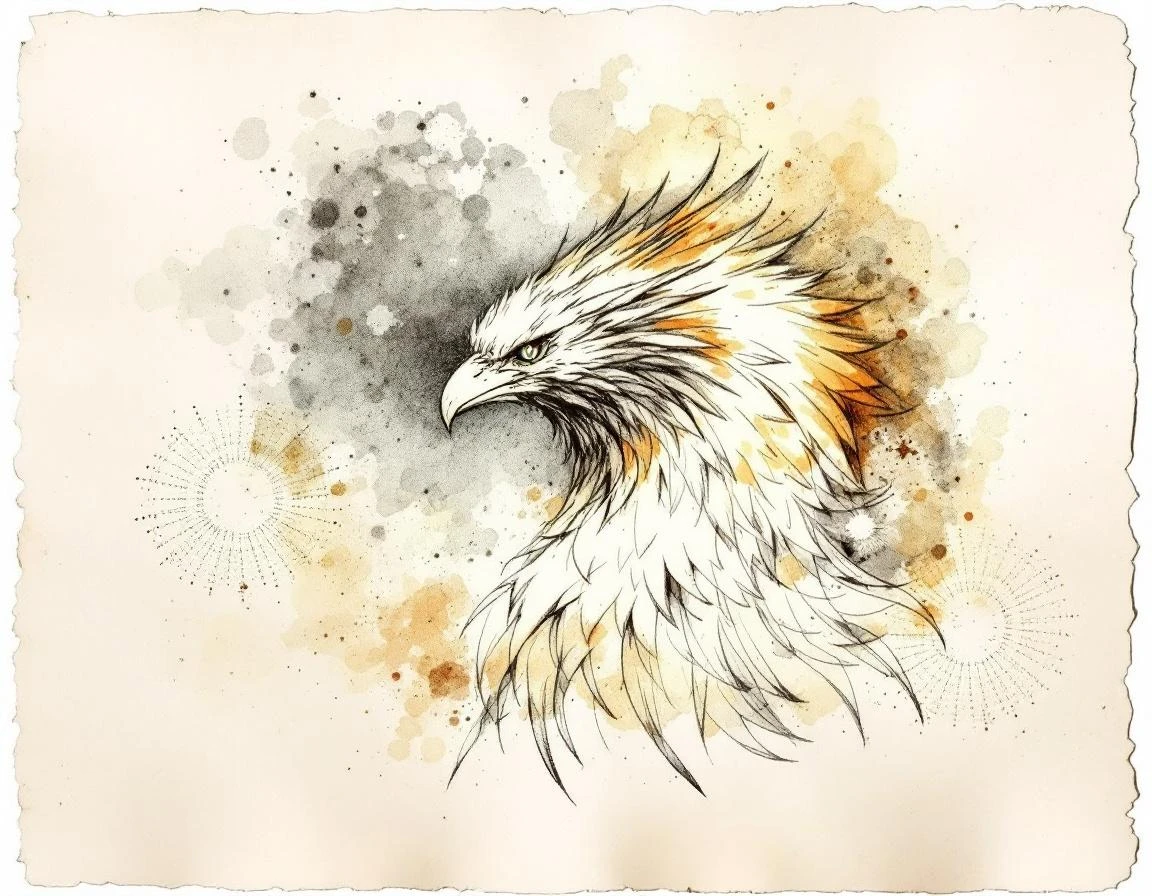

Griffin Name Generator - Names for the Lion-Eagle of Heraldic and Classical Tradition
Griffins have guarded treasure since Herodotus, and they have never been subtle about it. This generator pulls from the classical tradition - Aeschylean *grypes*, Scythian gold-hoard myths, the heraldic bestiary of medieval England - and extends into the kind of contemporary fantasy where the sky is as dangerous as the ground.
Griffins in Classical and Medieval Tradition
The griffin - spelled variously as gryphon or griffon, though all three names describe the same creature: eagle head and forebody, lion hindquarters and tail, great wings - appears across ancient Egyptian, Persian, Greek, and medieval European iconography, making it one of the most geographically widespread hybrid creatures in world mythology. Herodotus describes griffins as golden bird-creatures guarding gold in the Far North against the one-eyed Arimaspians who steal it. That gold-guarding function gave the griffin a specific symbolic weight: power and vigilant protection of wealth. In medieval European heraldry, the griffin became a favored heraldic charge, used by families of considerable status and military ambition. The logic was straightforward. Combine the king of birds with the king of beasts and you get a symbol of supreme authority - courage, boldness, and the kind of watchfulness that doesn't sleep. For writers, the griffin's real utility is its dual domain. It can pursue prey through sky and ground both, carrying the eagle's speed and keenness alongside the lion's strength. Most hybrid creatures collapse into one element. The griffin doesn't. It's the predator that follows you everywhere, which is a different kind of threat than most fantasy fiction bothers to imagine.
Griffin Naming: Classical and Heraldic Conventions
Griffin names in classical tradition don't typically appear as individual names - Herodotus treats griffins as a species, not as persons, and heraldic tradition follows the same logic, using them as symbols rather than giving them names. Individual griffin names are largely an invention of fantasy fiction and tabletop gaming. For a named griffin, the lion-eagle duality opens two naming traditions at once. From Latin and Greek eagle vocabulary: *aquila*, *aetos*, *alcon*, *pluma*, *ventus*. From the lion side: *leo*, *leaena*, *rugitus*. Names that blend both roots encode the creature's nature directly - a griffin called something like *Aethaleo* carries both lineages in a single word. For griffins embedded in a heraldic context - guardian of a noble house, warden of a specific treasury or estate - the name often works best when it references what the creature protects rather than what it is. "The Griffin of Thornwall" tells you more than any invented Latin compound, because it implies history: this particular griffin, this particular family, a relationship measured in generations.
Using the Generator for Your Griffin Character
When generating griffin names, decide first what role this griffin occupies: wild creature named for its nature and domain, bonded companion shaped by a specific relationship, or heraldic guardian defined by what it protects. Consider where this individual falls between its two parent natures. Griffins are not uniformly distributed between eagle and lion - some tend toward the aerial, spending most of their time aloft, with the eagle's precision and far-sightedness. Others are more terrestrial, using their wings for tactical advantage in what is fundamentally a ground-based existence. For griffin companions and mounts, common across high fantasy from Tolkien's eagles to the gryphons of Ursula K. Le Guin's *Earthsea*, the bond between griffin and rider is often the most important characterization element. A griffin who *chooses* its rider - rather than being assigned - has made a specific judgment. The name given in that context, or chosen within it, carries the full weight of that decision.
Heraldry with a Body
Griffin names should balance heraldry and animal force. The creature joins eagle and lion, so it attracts royal banners, treasure guardians, sun imagery, and mountain nests. That can get stiff quickly. Decide whether the griffin is wild, sacred, a cavalry mount, or a noble emblem that happens to be alive.
Handler Pressure
The name should work as heraldry and as something a handler might actually say. The gap between those uses is story.
Final Naming Pressure
A final check should put the name into a sentence where the creature or character changes the room. If the name only works as a label, keep searching. If it changes how the scene feels, even before anyone explains the lore, it belongs on the shortlist.
Handler Pressure
The name should work as heraldry and as something a handler might actually say. The gap between those uses is story.
Final Fit Check
For a final griffin pass, test the name in two mouths: a herald announcing a noble crest, and a handler calling the creature down from a ledge with raw meat in one hand. If the same name cannot bridge those worlds, give the griffin a public title and a working name. The split often feels more honest than one majestic label.
Griffin Pressure
Use this Griffin note as a scene test, not as decoration. The name should change how the character, creature, or local rumor behaves on the page.
Naming Detail That Matters
A griffin name can also distinguish a species from a person. Stable ledgers may classify by feather color and beak shape, while riders use names built from incidents: the day the griffin refused a prince, the ridge where it nested, the scar it gave a handler. Incident names usually feel more alive than heraldic polish.
Griffin Pressure
Use this Griffin note as a scene test, not as decoration. The name should change how the character, creature, or local rumor behaves on the page.
One Last Mouth Test
One extra detail helps: griffins are named from below and above, by handlers on the ground and riders in the air.
Griffin Pressure
Read the final candidate aloud in the scene where the creature first changes someone's plan.
Final Naming Pressure
One last griffin check: let the name know whether the creature guards, hunts, carries, or refuses command. Heraldry can make a griffin stiff. Handler language can make it breathe. The best names often keep a public crest-name and a working name in tension.
Griffin Usage Test
Use this note to test the name in a real scene, where local speech and story pressure matter more than decoration.
Griffin Names for Sky, Pride, and Keeping Watch
Griffin names should hold both eagle height and lion authority without flattening either side. A royal mount, wild aerie guardian, heraldic beast, desert sentinel, and temple companion all need different naming pressure. Let altitude, claw, mane, sun glare, nest site, and the oath to guard treasure or law influence the final candidate.
Aerie Names and Heraldic Names
Ask who names the griffin: riders, priests, hunters, rival beasts, or the family whose crest borrowed its shape. A heraldic name may be formal and bright, while an aerie name can be older, shorter, and harder to translate. The best result sounds noble without becoming a decorative emblem.