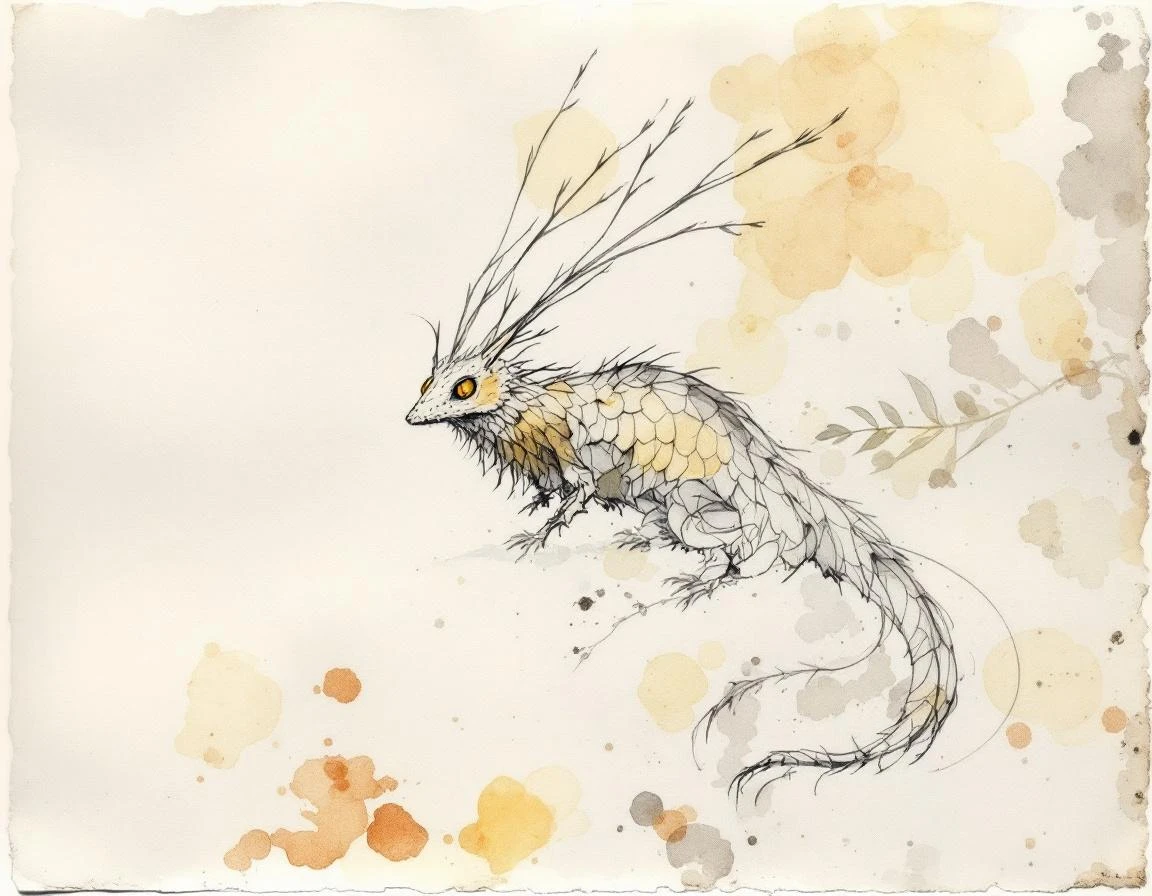


Cockatrice Name Generator - Names for the Lethal Rooster-Serpent of Medieval Bestiaries
The cockatrice sits at an odd intersection in medieval lore: rooster above, serpent below, and a gaze that turns flesh to stone. It appears in bestiaries from the twelfth century onward, usually as a single dreadful specimen rather than a species, which makes naming one feel like an act of mythological audacity. This generator produces names suited to dark fantasy and gothic fiction - names that carry the creature's dual nature, its antiquity, its association with pestilence and basilisk-kin. Whether you are writing a villain's familiar, a heraldic monster come to life, or a creature stalking the margins of an illuminated manuscript, the names here are built for that register.
The Cockatrice in Medieval Natural History
The cockatrice holds a strange place in the history of monsters: medieval natural historians treated it as a real animal, documented with the same earnest authority as horses or eagles. Bestiaries described it as hatched from a rooster's egg incubated by a serpent, combining the lethal gaze of the basilisk with the body of a rooster-headed dragon or serpent. Some traditions gave it wings; others kept it earthbound. The heraldic cockatrice - a fixture of medieval and Renaissance coats of arms - appears as a two-legged dragon with a rooster's head and tail, often crowned with a comb that echoes the basilisk's marking. Heraldry treated it as a symbol of terrifying power and cruelty, the kind of emblem a family chose when they wanted their enemies to understand what fighting them would cost. Shakespeare references cockatrices several times, most memorably in *Richard III* and *Twelfth Night*. The creature accumulates associations with pride, vanity, and a destructive certainty in one's own rightness - qualities that run through the tradition from the bestiaries forward.
Naming the Rooster-Serpent: Sound and Symbol
Cockatrice names work best when they commit to one of the creature's two symbolic registers: regal death (the crowned killer, the petrifying gaze) or grotesque absurdity. A rooster hatching from a rooster egg to become a lethal monster is inherently a little ridiculous, and the best dark fantasy leans into that rather than papering over it. For the regal-death register, Latin and medieval vernacular are reliable sources: terms for stone (*petra*, *lapis*), kingship (*rex*, *regis*, *corona*), and death (*mors*, *mortis*, *letum*). A cockatrice named Petralux (stone-light, the lethal gaze made noun) or Regimortis (king of death) sits comfortably in that tradition. For names that hold both registers at once, aim for something that sounds almost noble but slightly wrong - almost serpentine, but with something clucking and domestic underneath. Sibilants suggest the serpent half; a more staccato syllable structure echoes the bird. The name should feel like it is trying to be dignified and not quite succeeding.
The Cockatrice in Fantasy Literature and Gaming
Unlike basilisks, which turn up constantly across fantasy, cockatrices have stayed niche - known to enthusiasts, invisible to casual readers. That obscurity is useful. A worldbuilder who reaches for a cockatrice gets genuine medieval depth without the freight of overuse. In Dungeons & Dragons, the cockatrice is a classic encounter creature whose *touch* (rather than gaze, in most editions) causes petrification. That distinction matters more than it sounds. A creature that petrifies by contact has to get close; it creates a different kind of dread than something that kills from across the room. The tactical calculus shifts, and so does the horror. For fiction writers, the cockatrice's origin story is where things get interesting. It hatches from a rooster's egg incubated by a serpent - a chain of wrongness, each step a little further from what should have happened. The creature is the product of accumulated incorrectness. A cockatrice character who knows this about itself carries a particular weight: the awareness of being something that should not exist. That awareness can go two directions. It can hollow a character out, or it can become the thing they build an entire self around.
Using the Generator for Your Cockatrice
When generating cockatrice names, think about which aspect of the creature's dual nature you want to foreground - bird and serpent, absurd and lethal. Names that lean serpentine will feel more traditionally dangerous; names built from avian sounds (short, staccato bursts, hard consonants at the end of syllables) will feel stranger, more distinctly cockatrice. Consider age and provenance. A very old cockatrice might carry a name from whatever tradition it was hatched into: a rural medieval-European setting would have different conventions than a tropical jungle or a high-magic city. A cockatrice named by humans rather than by itself might wear that name awkwardly, which is its own narrative opportunity. The heraldic tradition casts cockatrices as status symbols, creatures bound to powerful families or fearsome individuals. A cockatrice in your story might have a relationship to a particular noble house or ancient lineage, its name echoing that association. The cockatrice separated from that context - the heraldic creature whose family is long dead - becomes a figure of interesting displacement.
Barnyard Absurdity, Real Danger
Cockatrice names work when they keep the creature’s absurdity and danger in the same hand. Medieval bestiaries give us a rooster-serpent monster whose glance or breath can kill. Lean too hard into comedy and the monster loses its bite; lean too hard into menace and you miss the strange henhouse origin. Try clipped, crowing sounds beside dry scale and stone imagery.
Henhouse Pressure
The name should make a small locked room feel dangerous. Comedy and threat both belong here.
Last Pass for This Page
A final check should put the name into a sentence where the creature or character changes the room. If the name only works as a label, keep searching. If it changes how the scene feels, even before anyone explains the lore, it belongs on the shortlist.
Henhouse Pressure
The name should make a small locked room feel dangerous. Comedy and threat both belong here.
Last Naming Check
One last cockatrice check: put the name in a village warning. It should work beside ordinary things: eggs, straw, a locked coop, a child told not to peek. The smaller the setting, the stranger the monster becomes. A name that makes the henhouse unsafe is doing its job.
Cockatrice Scene Check
Use this note to test the name in a real scene, where local speech and story pressure matter more than decoration.