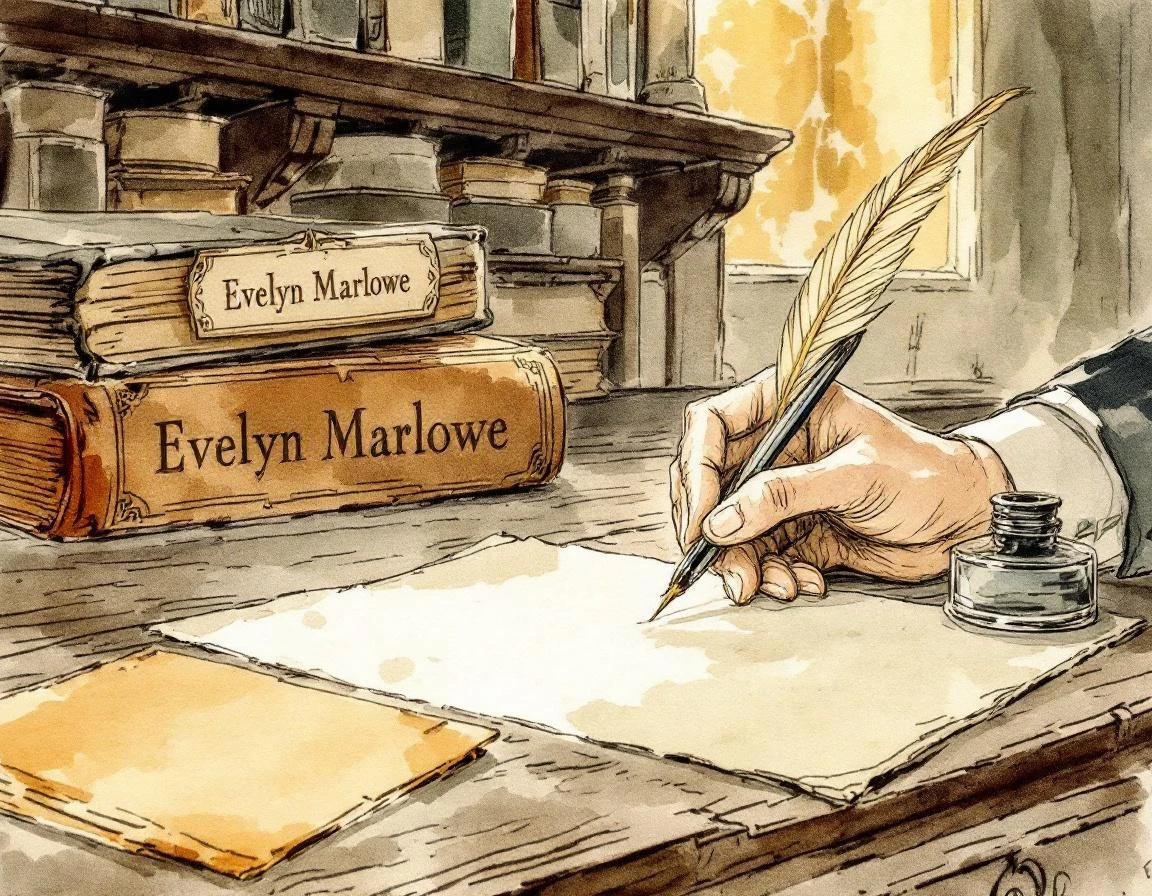

Historical Fiction Pen Name Generator: Crafting an Author Identity for Period Narratives
Writing historical fiction under a pen name is an old practice. George Eliot did it to be taken seriously. Baroness Orczy did it because "Emma Magdalena Rosalia Maria Josefa Barbara Orczy" was never going on a spine. The reasons vary, but the instinct is sound: the name on the cover shapes how a reader approaches what's inside. For period fiction specifically, that first impression carries weight. A name that sits comfortably in the seventeenth century reads differently than one that sounds like a contemporary thriller writer. Neither is wrong, but they signal different things before the reader has opened to page one.
Why Historical Fiction Authors Choose Pen Names
Historical fiction writers reach for pen names for reasons particular to the genre. Some are practicing historians, archaeologists, or museum curators who want a clear line between their scholarship and their fiction, a space where they can use what they know without being held to footnote standards. Others pick names that quietly announce where they live in the past. It works. Mary Renault's name carries a different set of expectations than Edith Pargeter's, even though Pargeter wrote as Ellis Peters for her Cadfael novels. Both are period-inflected without being costume-y. Neither sounds like a brand. The practical case is straightforward: if you write both Plantagenet court intrigue and Ptolemaic Egypt, readers benefit from some signal about which world they are entering. A second name can do that without requiring a subtitle. It manages expectation without explanation. There is also the question of controversy. Historical fiction that puts words in the mouths of real people, or reframes events that still carry political weight, can create friction for writers who also publish academic work. A pen name keeps those two reputations from colliding. What tends to fail is the artificially antique: names so period-specific they are hard to say aloud or remember after closing the book. The names that last are usually ones that feel like they belong to a person first, and a century second.
Characteristics of Effective Historical Fiction Pen Names
A pen name for historical fiction does quiet work before the reader opens the book. The name itself signals something: familiarity with the period, seriousness of research, a sensibility that belongs to the genre rather than drifting in from somewhere else. Some writers choose names with a formal, slightly archaic ring, not costume, but texture. Others draw on cross-cultural combinations that reflect the settings they write about, the way Hilary Mantel's plain Anglo-Saxon surname sits against her deeply Francophile subject matter. A few writers in the genre have used gender-neutral names when writing about military history or political intrigue, though this matters less now than it did a generation ago. What tends to hold up over time is specificity. A name that feels vaguely "historical" blends into the shelf. A name with a distinct sound, one that a bookseller can actually pronounce and a reader can remember after hearing it once in an audiobook introduction, does more work. Our generator builds names with these pressures in mind: the cover, the spine, the moment someone says it aloud at a reading. Consider how a candidate name sits next to period typography, and whether it carries the weight of the setting you are writing toward or undercuts it.
Using Our Historical Fiction Pen Name Generator Effectively
To get useful results, be specific about where and when your fiction lives. Which eras and regions do you write about? Do you invent characters inside carefully researched settings, reconstruct the inner lives of actual historical figures, or push into territory where history bleeds into the speculative, the kind of thing Hilary Mantel did with Cromwell's silences, or Sarah Waters with Victorian shadows? Each approach carries different naming instincts worth building from. If you have academic training or a research specialty, mention it: medieval manuscript culture, colonial trade routes, Ottoman court life, or another field the fiction uses. That background can shape a name that signals something real without overclaiming. Note any preferences around formality, cultural register, or how you want gender to read in the byline. Writers sometimes need a pen name that keeps their fiction clearly separate from scholarly or journalistic work. If that is your situation, say so directly and the generator will factor it in. The more precisely you describe your fiction, the less generic the suggestions will be: period, geography, cultural vantage point, and the kinds of questions the work keeps returning to. If you already have a fragment you like, a syllable, a surname from your research, or a sound that feels right, bring it. The generator works better with something to push against than with a blank slate.
Testing and Refining Your Historical Fiction Pen Name
After generating several promising options, sit with them before committing. A name that fits naturally on a Victorian novel can feel wrong on a book set in ancient Rome; the connotations of syllables and cadence are different, and readers in the genre notice. Search each serious contender to make sure it does not inadvertently echo a real historical figure or collide with an existing author; credibility matters more in historical fiction than in most genres, where readers arrive already knowing something about the period. Run the shortlist past beta readers or a writing group with some familiarity with the market. First impressions from people who read widely in the genre will tell you more than your own instincts after you have been staring at the same names for a week. Check domain and social media availability too, since historical fiction authors often build platforms around the research itself: period context, primary sources, and the gap between what the record shows and what the novel imagines. Finally, try picturing each name on actual covers: illustrated biographical fiction, spare literary historical, mass-market saga. A name that looks right in one subgenre can feel miscast in another, and you may not know yet which direction your work will take.
Building a Historical Fiction Author Brand Around Your Pen Name
A pen name is only the starting point. Once you have one that fits, everything else should feel like it belongs to the same person who wrote the books: the website, the author photo, and the newsletter voice. Visual choices matter more than writers expect. Typography drawn from the period you write in (a Gaelic uncial for medieval Irish fiction, a sharp Didot for Napoleonic-era stories) signals genre before a reader has read a word. The same goes for color: the muted ochres and slate blues of a Tudor-set cover read differently from the high-contrast blacks and golds of Weimar Berlin. These are not decorative decisions; they are how readers learn to recognize your work across a shelf. The writing you do outside the books shapes that recognition too. Historical fiction readers tend to be curious about process. A newsletter that traces how you tracked down a single detail about seventeenth-century Venetian glassblowing, or how you decided what to invent when the records ran out, builds the kind of trust that keeps readers following you from one book to the next. It also lets the pen name develop a voice distinct from your own, which is the point. Readers who love Patrick O'Brian do not just love *Master and Commander*; they love the sense that the author knew that world from the inside. That is what a coherent author identity does. The pen name is the anchor. The rest accumulates around it.