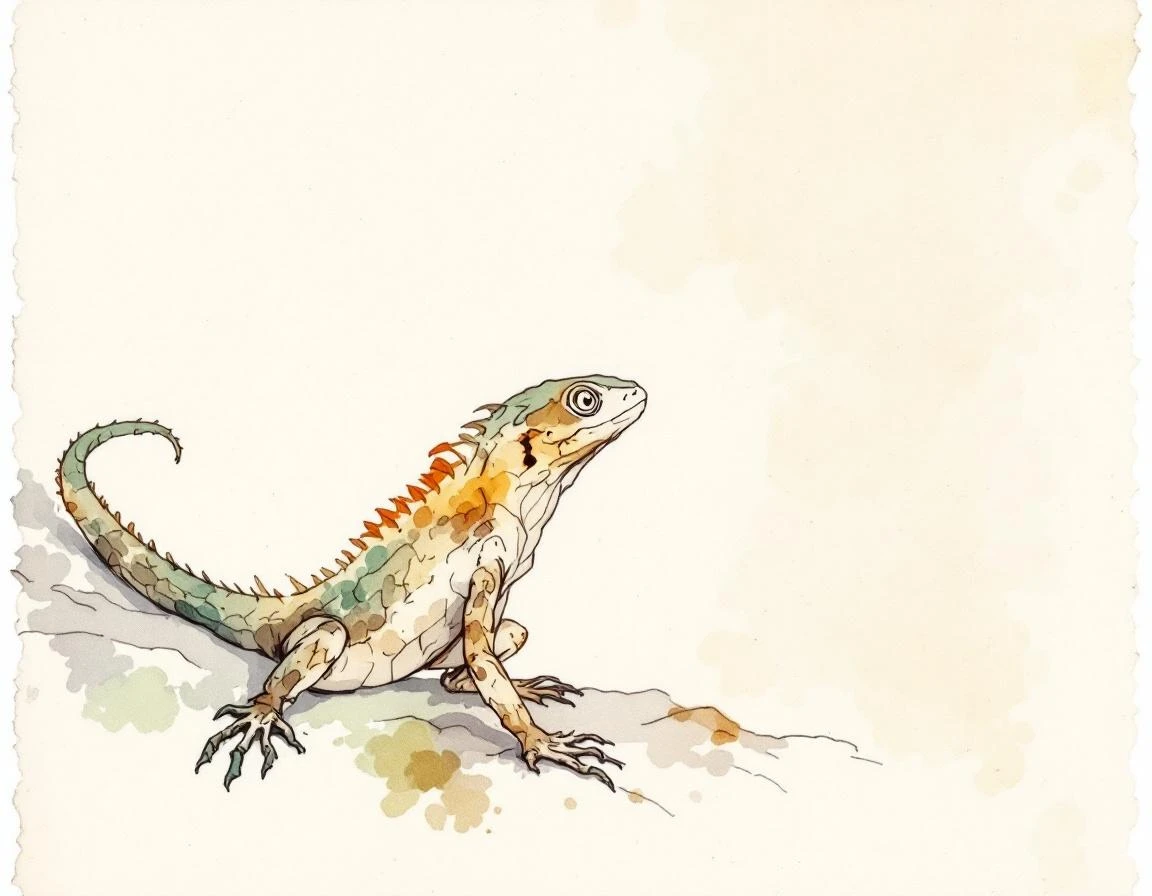

Lizardfolk Name Generator - Scaled Lizardfolk Names
A lizardfolk name has to do practical work on the page. It tells the reader what kind of mythic pressure has entered the story, but it also has to sound usable when a frightened guard says it, when a scholar copies it into a margin, or when the character corrects someone who has said it badly. This lizardfolk name generator is built for scaled lizardfolk names, so the useful names point toward reptilian people in fantasy worlds, swamp clans, and sun-baked tribal settings while staying flexible enough for an original setting. The best candidates suggest marsh water, heat stones, hunting parties, egg clutches, scale color, and kin obligations. They leave room for motive, history, and social place. They do not need to explain the whole creature in one word. They need to give the next scene a clean handle and a little friction.
Lizardfolk Names Begin with Source Pressure
Start by deciding how close your story sits to reptilian people in fantasy worlds, swamp clans, and sun-baked tribal settings. A tale that leans on the older material can use names with more formal weight, because the reader expects ritual, taboo, and inherited language to matter. A secondary-world version may need a looser approach: a name that hints at the source without pretending to be a museum label. For lizardfolk, that means keeping marsh water, heat stones, hunting parties, egg clutches, scale color, and kin obligations in view and asking who would have named this figure first. A priest, sailor, victim, parent, keeper, soldier, or rival would all choose different language. That first naming act matters because it tells the reader whether the name is affectionate, fearful, administrative, sacred, insulting, or self-chosen.
Use the Name to Show What People Know
A strong lizardfolk name can reveal the limits of the world around it. If common people use a short nickname while formal records preserve a longer title, the split gives you class, education, and rumor in the same detail. If enemies refuse the proper name and use a crude substitute, the page gains tension without a speech about prejudice. If the lizardfolk keeps a private name hidden, that secret becomes a plot object. Names are especially useful when the creature is older, stranger, or more powerful than the narrator understands. The wrong name can be a mistake, a provocation, or a sign that somebody has survived an earlier encounter and learned better.
Keep Cultural Borrowing Precise
When a creature comes from a recognizable tradition, precision is a kindness to the story. It prevents the name from becoming a handful of borrowed sounds. For lizardfolk, the relevant pressure is reptilian people in fantasy worlds, swamp clans, and sun-baked tribal settings; that does not mean every result must imitate a real-world language. It means the name should respect the logic that made the creature memorable in the first place. Look for the detail that carries meaning: marsh water, heat stones, hunting parties, egg clutches, scale color, and kin obligations. If the setting changes the tradition, make that change visible. A port city, a mountain clan, a ruined empire, or a temple archive would each bend the naming pattern in different ways, and those bends make the invention feel owned by the world rather than pasted onto it.
How to Choose a Lizardfolk Name That Survives a Scene
After the generator gives you options, move quickly from browsing to testing. A name that looks impressive in a list can collapse in dialogue. A quieter option may become sharper once it is attached to an action, a debt, a room, or a body. For scaled lizardfolk names, the scene test should check sound, status, and consequence. Does the name carry sibilants, hard palatal clicks implied in spelling, short public names, and longer clan identifiers? Does it tell you whether this figure is feared, courted, pitied, worshiped, hunted, hired, or avoided? Does it leave the writer with a clearer next sentence? If the answer is yes, keep it close.
Read for Mouthfeel Before Decoration
Read each candidate aloud in three sentences: one calm introduction, one shouted warning, and one intimate line where somebody is trying not to be overheard. The name should survive all three without turning theatrical by accident. For lizardfolk, the sound palette can draw on sibilants, hard palatal clicks implied in spelling, short public names, and longer clan identifiers. That does not mean every syllable has to announce itself. Often the better choice has one memorable edge and one plain surface, so the reader remembers it without tripping over it. If a spelling looks beautiful but no character could say it twice under pressure, soften it. If a name is too smooth for a dangerous figure, roughen one consonant or shorten the ending.
Match Name Length to Social Distance
Long names create ceremony. Short names create contact. A lizardfolk character who appears in prophecy, formal summons, or old legal records can carry a longer title, especially if the title preserves lineage or domain. The same character may need a shorter everyday name for allies, servants, enemies, or family. This is where the generator becomes raw material instead of a final answer. Keep a formal version, a spoken version, and an insult or rumor version. The relationship between those forms can tell the reader who has power in the scene. A courtier may use the full name to flatter. A hunter may cut it down to prove fearlessness. The lizardfolk may accept neither.
Let Setting Alter the Result
Do not choose the name in a blank room. Place it in the environment where the character first matters. A lizardfolk in a port ledger should not sound exactly like one named by a mountain shrine, a laboratory roster, a battlefield chant, or a village warning. Tie the result to local materials: weather, food, craft, burial custom, legal habit, children's rhymes, trade routes, or whatever the people nearby touch every day. The more grounded the surrounding world feels, the less the name has to perform. It can sit there plainly and still carry the strangeness of marsh water, heat stones, hunting parties, egg clutches, scale color, and kin obligations.
Lizardfolk Naming Mistakes to Avoid
The common weak choice for scaled lizardfolk names is the one that confuses category with character. It labels the creature and stops. A better name gives the category a point of view. It can reveal who named the lizardfolk, what they feared, what they wanted, or what they misunderstood. This matters most when the creature type is familiar. Readers already know the broad outline of many fantasy beings. The name has to make this one particular. It should feel like it belongs to a life, a place, a job, a curse, a family, a cult, or a rumor with a source.
Avoid the Obvious First Noun
The first obvious noun is usually the weakest: flame for a fire being, fang for a predator, moon for a night creature, bone for an undead one. Those words can appear, but they rarely make a name by themselves. For lizardfolk, avoid monster noises, throwaway hiss jokes, and names that erase community or craft. Push one step sideways. Instead of naming the visible trait, name the consequence of that trait: what it ruins, protects, attracts, stains, remembers, or costs. That extra step creates a name with a scene attached to it, and scenes are easier to write than labels.
Do Not Let Spelling Carry All the Fantasy
Strange punctuation, doubled letters, and decorative apostrophes can make a name look invented while giving it no better sound. If the rhythm is weak, ornament will not save it. Build the name from stress, vowel shape, and social use first. Then choose the spelling that lets the reader hear it. A lizardfolk name can be unusual without becoming a puzzle. The reader should spend attention on the character, not on decoding the typography. If you want a difficult name for plot reasons, make the difficulty meaningful: foreign rule, sacred secrecy, translation failure, or a name humans were never meant to pronounce exactly.
Give the Final Choice a Job
Before you settle, write one sentence where the name changes how the scene feels. Let someone use it to threaten, plead, bargain, bless, mock, or remember. If nothing changes, choose again. A strong lizardfolk name should make a person shaped by ecology before politics easier to stage. It should tell the writer how close other characters stand, what tone they use, and what history presses on the moment. The final choice may be plain, beautiful, ugly, solemn, or funny, but it needs a job. Once it has one, the name stops being a list result and becomes part of the draft.